West Ham United's Premier League story: from inaugural absence to Europa Conference League glory and 2026 relegation
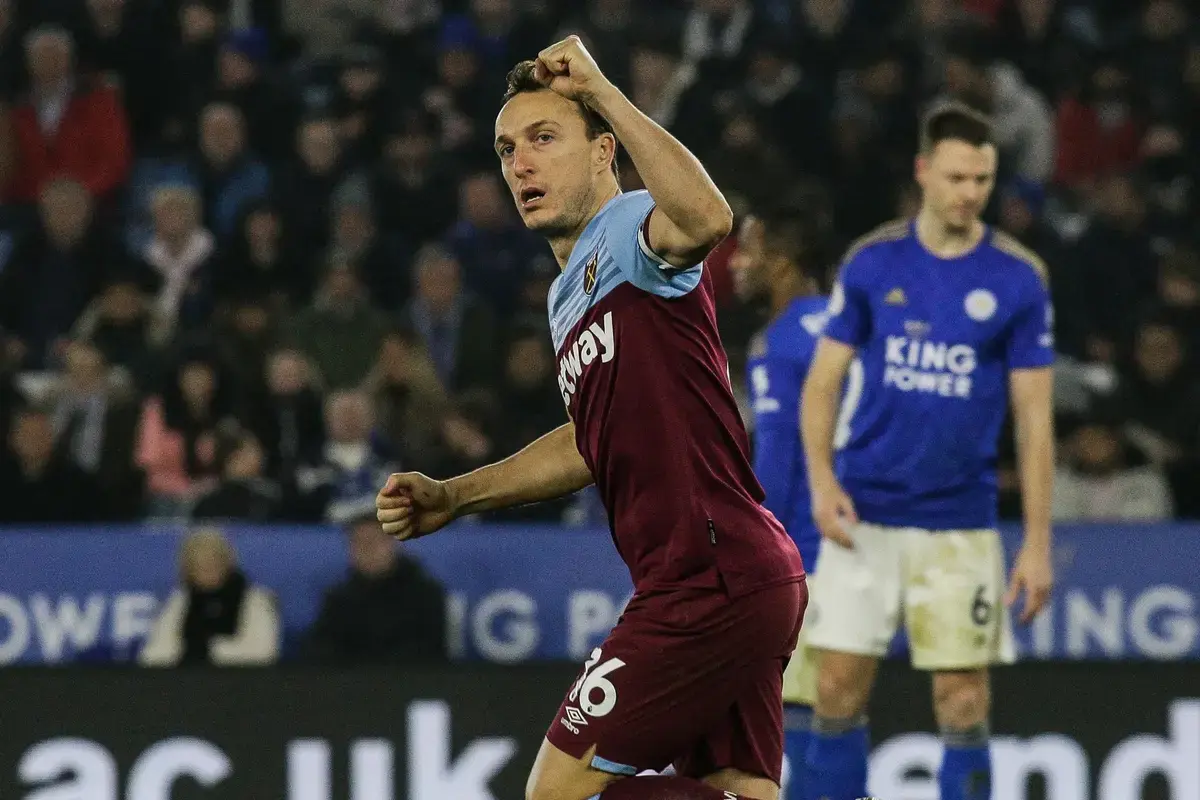
West Ham United missed the Premier League's first season in 1992, returned a year later, and have since experienced dramatic escapes, European triumph and eventual relegation in 2026. This is the complete timeline of their Premier League history, from Harry Redknapp's exciting young side to David Moyes's continental success.
- Inaugural absence: West Ham were relegated from the old First Division in 1991/92, missing the Premier League's first season.
- First Premier League season: 1993/94, finishing 13th with 52 points from 42 matches.
- Best finish: Fifth under Harry Redknapp in 1998/99.
- Major honour: UEFA Europa Conference League winners under David Moyes.
- Recent relegation: Relegated in 2026, ending a difficult transition period.
Before the Premier League: The Academy, the World Cup and major trophies
West Ham's identity was forged long before 1992. The club developed from Thames Ironworks, a works team connected to London's shipbuilding industry, and was reformed as West Ham United in 1900. They reached the first FA Cup final at Wembley in 1923, known as the White Horse Final due to the enormous crowd spilling onto the pitch.
The Hammers' greatest period came under Ron Greenwood. They won the FA Cup in 1964, beating Preston North End 3-2, and lifted the European Cup Winners' Cup a year later after defeating 1860 Munich 2-0 at Wembley. Bobby Moore captained both teams, while Geoff Hurst and Martin Peters were also central figures. All three played decisive roles in England's 1966 World Cup victory: Hurst scored a hat-trick, Peters added the other goal and Moore lifted the trophy.
West Ham won another FA Cup in 1975 and became the last team from outside the top division to lift the competition when Trevor Brooking's header defeated Arsenal in the 1980 final. Their best top-flight finish came in 1985/86, when John Lyall's side finished third, four points behind champions Liverpool, with Tony Cottee and Frank McAvennie scoring 46 league goals between them.
However, the years immediately before the Premier League were far less successful. West Ham were relegated from the old First Division in 1991/92, meaning a club so closely associated with the development of English football was absent when the Premier League began.
1992/93: Promotion at the first attempt
Billy Bonds remained in charge after relegation and guided West Ham back immediately. The Hammers finished second in the First Division with 88 points, level with champions Newcastle United but behind them on goal difference. Clive Allen scored 15 league goals, while Trevor Morley, Ian Bishop, Alvin Martin and Julian Dicks played important roles. Promotion was secured on the final day with a 2-0 victory over Cambridge United at Upton Park, with David Speedie and Morley scoring.
1993/94: A solid beginning
West Ham's first Premier League match ended in a 2-0 defeat at home to Wimbledon. They recovered to finish 13th in the 22-club division with 52 points from 42 matches, winning 13, drawing 13 and losing 16. They scored 47 goals and conceded 58. Morley was the leading league scorer with 13 goals, while Dicks added five from left-back and became one of the team's most recognisable figures due to his aggressive defending and powerful shooting. Luděk Mikloško remained a reliable goalkeeper, with Martin, Steve Potts and Tim Breacker contributing to the defensive structure. The final position represented a successful return, staying clear of relegation and creating a platform for the seasons ahead.
1994/95: Redknapp begins reshaping the squad
Bonds resigned shortly before the season and was replaced by Harry Redknapp. West Ham finished 14th with 50 points from 42 matches, with 13 victories, 11 draws and 18 defeats. The Hammers played an important role in the title race on the final day: Manchester United travelled to Upton Park needing a victory to give themselves a chance of overtaking Blackburn Rovers, but Mikloško produced an outstanding goalkeeping performance as West Ham held United to a 1-1 draw. Blackburn lost at Liverpool but still won the title by one point. Tony Cottee had returned to West Ham after spells with Everton and Leicester City and finished as the team's leading Premier League scorer with 13 goals. Redknapp was gradually changing the squad, combining experienced players with young talent emerging from the academy.
1995/96: A first top-half finish
West Ham improved significantly during Redknapp's first full season. They finished 10th with 51 points, winning 14 of their 38 matches, scoring 43 goals and conceding 52. Cottee again led the scoring with 10 league goals. Dani, signed on loan from Ajax, briefly became a major attraction, while Dicks contributed from penalties and free kicks. The season also marked the emergence of several players who would define the club's future. Rio Ferdinand made his first-team debut in a UEFA Intertoto Cup match before appearing in the Premier League. Frank Lampard also began moving towards senior football, while a young Joe Cole was progressing through the academy. West Ham were still some distance from challenging the leading teams, but the combination of experienced professionals and academy talent was becoming increasingly promising.
1996/97: A major relegation scare
The following season began disastrously. West Ham lost eight of their first 10 league matches and spent much of the campaign in the relegation places. Redknapp transformed the attacking options during the season. John Hartson arrived from Arsenal, while Paul Kitson joined from Newcastle United. The impact was immediate: Hartson scored five league goals in 11 appearances and Kitson added eight in 14. Their partnership gave West Ham the physical presence and finishing needed to escape. The Hammers eventually finished 14th with 42 points, two above the relegation zone. Survival was secured through a strong late run that included victories over Chelsea, Everton, Middlesbrough and Coventry City. The season also featured one of the most unusual disciplinary incidents in Premier League history: Eyal Berkovic was kicked in the face by teammate Hartson during a training-ground altercation. West Ham survived, but the campaign demonstrated how quickly an ambitious young team could be pulled into danger.
1997/98: The young team begins to fulfil its potential
West Ham produced their strongest Premier League campaign to that point. The Hammers finished eighth with 56 points, winning 16 matches and scoring 56 goals. Hartson was outstanding, scoring 15 league goals; his strength and aggressive centre-forward play complemented the creativity around him. Ferdinand had developed into one of the most gifted young defenders in the country. Lampard became increasingly important in midfield, while Trevor Sinclair added pace after joining from Queens Park Rangers. Steve Lomas, Berkovic and Ian Pearce were also influential. West Ham reached the FA Cup quarter-finals, where they lost to Arsenal on penalties after a replay. The improvement from the previous season was substantial, moving from a relegation battle to the edge of the European places.
1998/99: Fifth place and the end of an era
West Ham finished fifth under Harry Redknapp, their best-ever Premier League finish. The exciting young team included Rio Ferdinand, Frank Lampard, Joe Cole and Michael Carrick, but that side was broken apart without converting its potential into silverware. The departures of key players would soon weaken the squad, and the club struggled to maintain that level.
2000s: Relegation, play-offs and an FA Cup final
West Ham were relegated in 2003 with 42 points, but returned through the play-offs. They reached the FA Cup final and then completed one of the competition's most dramatic escapes from relegation, with Carlos Tevez scoring crucial goals. That great escape was followed by a second relegation in 2011, before Sam Allardyce restored the club to the Premier League.
2010s: Bilić, the Olympic Stadium and Moyes
Slaven Bilić delivered an unforgettable final season at Upton Park in 2015/16, with Dimitri Payet starring. The club then moved to the London Stadium. David Moyes eventually led West Ham into Europe for three consecutive campaigns and won the UEFA Europa Conference League in 2023, the club's first major trophy since 1980.
2026: Relegation and another rebuild
The European success did not create permanent stability. A difficult transition followed, ending with relegation in 2026 and another Championship rebuild. From Paolo Di Canio and Carlos Tevez to Dimitri Payet, Declan Rice and Jarrod Bowen, this is West Ham United's complete Premier League timeline.
Why West Ham's story is one of unfulfilled promise
West Ham's Premier League history is defined by cycles of promise and decline. The 1998/99 side, built on academy graduates like Rio Ferdinand, Frank Lampard, Joe Cole and Michael Carrick, should have been the foundation for sustained success. Instead, key players were sold without adequate replacement, and the club yo-yoed between divisions.
The move to the London Stadium brought financial benefits but not stability. David Moyes's European triumph was a high point, but the squad was not rebuilt sufficiently to maintain competitiveness. The 2026 relegation is a stark reminder that success on the pitch must be supported by a coherent transfer strategy. West Ham's Academy of Football remains a source of pride, but the club must find a way to keep its best talent and build a team capable of consistent top-half finishes.
Talking points
- Should West Ham have done more to keep the 1998/99 side together? Selling Rio Ferdinand, Frank Lampard and others prevented the club from building on a fifth-place finish.
- Was the move to the London Stadium a mistake? The atmosphere at Upton Park was famous, and the new ground has not produced the expected on-field progress.
- Did David Moyes's Europa Conference League win paper over cracks? The squad was not strengthened enough, leading to relegation in 2026.
- Can the academy produce another golden generation? The likes of Rio Ferdinand and Frank Lampard came through together, but keeping them is the challenge.
What happens next
West Ham face a Championship rebuild after relegation in 2026. The immediate priority is to appoint a manager capable of mounting a promotion challenge and to decide which players will form the core of the squad. The club's recent history shows that bouncing back is possible, but sustained success requires a clear plan and investment. The next season will reveal whether the Hammers can avoid another cycle of boom and bust.
Frequently asked questions
When did West Ham first play in the Premier League?
West Ham's first Premier League season was 1993/94, after they won promotion from the First Division in 1992/93.
What is West Ham's best Premier League finish?
West Ham's best Premier League finish is fifth, achieved under Harry Redknapp in 1998/99.
When did West Ham win the Europa Conference League?
West Ham won the UEFA Europa Conference League under David Moyes, but the source does not specify the year. The source states that Moyes led the club into Europe for three consecutive campaigns and won the competition.
Related Articles
Filed under: Club News | LA Premier League Home