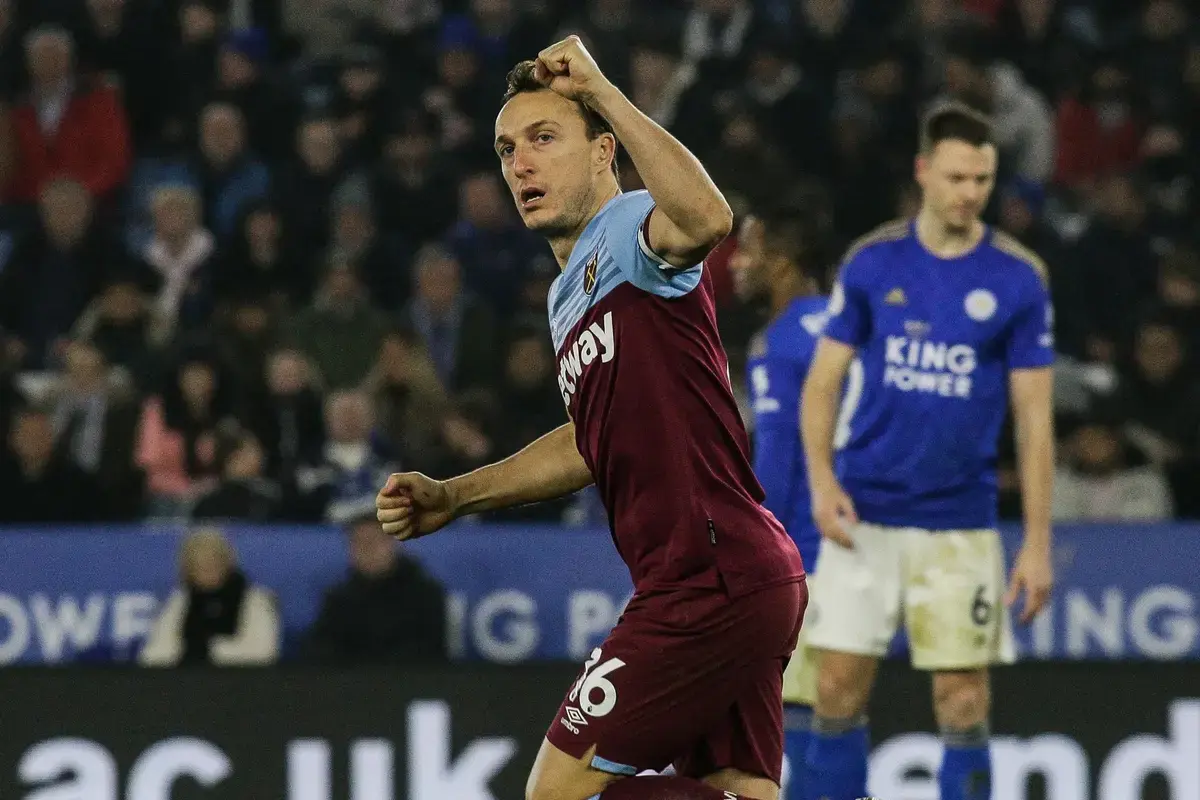

West Ham's midfield is not weak; it is a masterclass in expensive stagnation.
West Ham do not lose midfield battles because they lack quality. They lose them because their midfield is built to contain, not to create. It is a museum of expensive stagnation, where £30m players are asked to do the work of £3m ones and the result is a team that neither presses nor progresses.
Historical context: the Moyesian shadow
Under David Moyes, West Ham's midfield was a shield. Declan Rice and Tomas Soucek formed a pivot designed to protect the defence and launch counter-attacks. It worked: Europa League semi-finals, top-six finishes, a style that was pragmatic but effective. But that system relied on Rice's unique ability to cover ground and break lines. When he left for Arsenal, the shield became a sieve.
Julen Lopetegui arrived with a mandate to evolve. The signing of Guido Rodríguez and the retention of Soucek suggested a more possession-based approach. Yet the numbers tell a different story. West Ham's midfield still sits deep, still concedes territory, still struggles to string passes together under pressure. The more things change, the more they stay the same.
The argument: a midfield built for reaction, not action
The core problem is structural. West Ham's midfield is populated by players whose instinct is to react rather than initiate. Soucek is a willing runner but limited in tight spaces. Rodríguez is a destroyer, not a distributor. James Ward-Prowse is a set-piece specialist whose open-play influence wanes when pressed. Lucas Paquetá, the one genuinely creative force, is often isolated, forced to drop deep to collect the ball, leaving no one ahead of him.
The result is a midfield that turns possession into passivity. West Ham rank in the bottom third of the Premier League for progressive passes and passes into the final third. They do not control games; they survive them. Against teams that press aggressively, they crumble. Against teams that sit back, they run out of ideas.
- Soucek's dual role: He is asked to be both a box-to-box runner and a defensive screen. The result is that he does neither effectively, often caught out of position when transitions occur.
- Ward-Prowse's limitations: His open-play passing is safe and sideways; under pressure, he retreats. He has created fewer chances from open play than many full-backs this season.
- Paquetá's isolation: The Brazilian is West Ham's most creative player but receives the ball in deeper areas than any other attacking midfielder in the league, reducing his influence in the final third.
The counter-argument: injuries and adaptation
The steel-man case is that Lopetegui has not had a settled midfield. Injuries to Edson Álvarez and the late arrival of Rodríguez have disrupted plans. The transition from Moyes's low-block to a more proactive style takes time. Judging West Ham now is premature.
But this argument ignores the fundamental issue: the midfield personnel do not fit the desired system. Álvarez, when fit, is a pure destroyer. Rodríguez is 30 and has never played in a high-pressing team. Soucek is a relic of the Moyes era. Signing players who do not fit the manager's philosophy is not bad luck; it is bad planning. The midfield is not adapting; it is regressing.
Verdict: West Ham will finish in the bottom half unless the midfield is rebuilt
Prediction: West Ham will end the season with fewer than 50 points and a negative goal difference, and Lucas Paquetá will be sold in the summer to a club that knows how to use him. The midfield will remain a museum of expensive stagnation until the club stops buying names and starts buying profiles.
Related Articles
Filed under: Tactical Analysis | LA Premier League Home