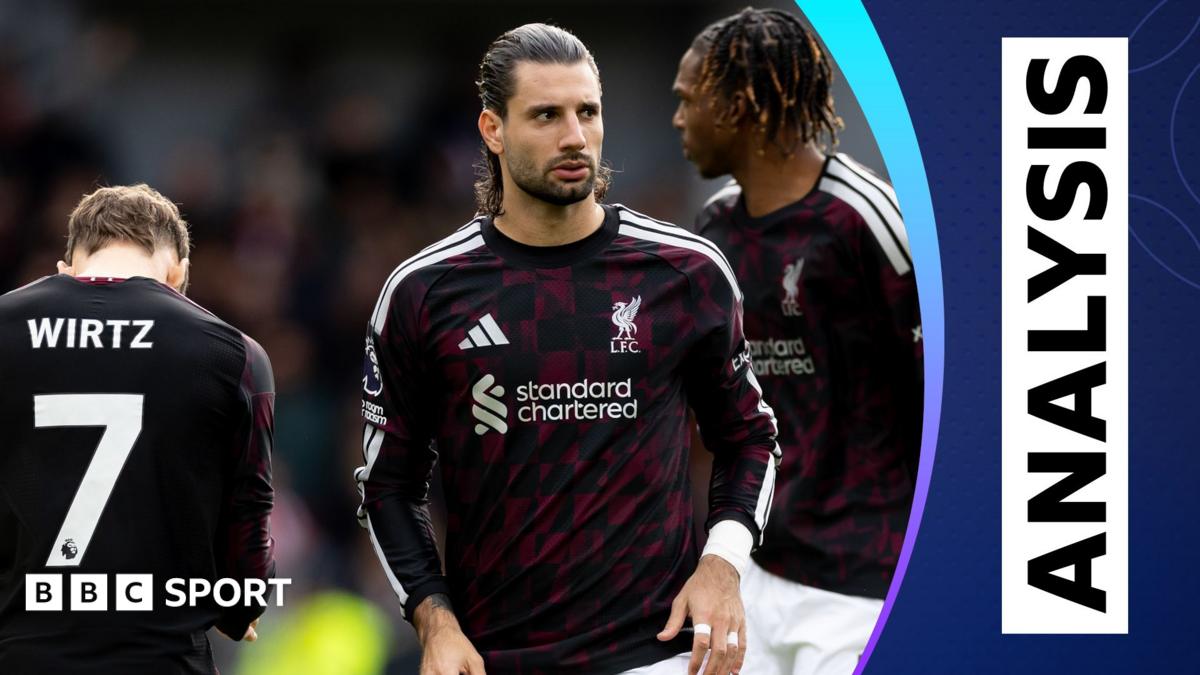

Brighton's defensive chaos is not chaos at all
Everyone calls Brighton reckless. Five goals shipped at home, gaps the size of the South Downs, a high line that invites humiliation. It is the wrong diagnosis. This is not a team defending badly by accident. It is a team defending badly on purpose, and that distinction changes everything about how to fix it.
Fabian Hurzeler has built a side that treats the defensive third as a negotiation it would rather not attend. The result is thrilling, occasionally shambolic, and increasingly expensive.
The high-wire tradition
Roberto De Zerbi did not invent this. He merely removed the shame. Brighton have spent four seasons defending in a way that asks the opposition whether they would like a free run at goal. Graham Potter dabbled. De Zerbi industrialised it. The Seagulls consistently rank among the Premier League's highest for opponents' expected goals per shot and lowest for defensive duels contested in their own box. They funnel play outward and gamble on the second ball.
That gamble has a spectacular upside. Brighton generate more turnovers in the middle third than almost anyone in the division, and those turnovers feed a genuinely elite attacking structure. The problem is the terms of the bet. When it lands, they look like the most modern team in England. When it does not, they look like a Sunday side that has discovered pressing for the first time.
Pierre Sage's Crystal Palace found this out brutally, losing 5-0 at the Amex with two wins from seven Premier League games and seventeen goals conceded across that run. Palace do not possess the patience to punish Brighton's gaps properly. Better sides do.
The flaw is in the transition, not the shape
The temptation is to blame the high line. Wrong. The line is a symptom. The real flaw sits in what Brighton do in the five seconds after losing possession in their own half — an area where they delegate responsibility to whoever happens to be nearest, and where nobody is truly nearest.
That is the overlooked weakness. Brighton are organised until the moment organisation becomes inconvenient, and then they improvise simultaneously, which is the worst of both worlds.
- Their midfielders press forward before the full-backs have tucked, opening a corridor between the lines that opponents use repeatedly.
- They lack a single designated destroyer. Everyone is a facilitator, which is beautiful when in possession and negligent without it.
- Their goalkeeper is asked to sweep passes as if he were a defender, meaning the last line is positioned for passes, not for danger.
This is not a structural accident. It is a philosophical choice with a hidden cost. Brighton have quietly become a side that must score three to win, and against the division's better sides, they will not.
But the numbers say it works
The counter-argument is reasonable: Brighton's underlying numbers remain strong, the results are competitive, and the model has produced European football before. Why change what is, broadly, profitable?
Because the model has already been adjusted once. De Zerbi's version was more extreme; Hurzeler's is a compromise, and the compromise is the problem. The team now presses with more caution but still defends with the same negligence. It has inherited the risk without refining the reward. That is how you end up conceding goals from nothing while scoring fewer than the system demands.
Tottenham's 3-1 win over Coventry last week is instructive from the opposite end: Maddison marked a first start in 18 months with a goal, Kulusevski returned after 526 days out, and a team previously bottom of the table suddenly looked confident. Confidence is a tactical variable. Brighton's defensive system manufactures the opposite, and a single heavy defeat can tilt an entire season.
And the fixture calendar will not be kind. Palace, Coventry, Spurs — these are not the sides that will expose Brighton most cruelly. The sides that press well, transition fast and finish clinically will.
Verdict
Brighton will finish the season having conceded more goals than at least four teams who finish below them in the table. More specifically: they will concede 55 or more, will lose at least one home match by four or more goals, and will still finish comfortably in the top half. Hurzeler is not a fraud — he is an ambitious coach presiding over a system that has confused activity with control. Fix the five seconds after the turnover, and Brighton become genuinely top-four adjacent. Leave it, and they remain the league's most watchable irrelevance.
Related Articles
Filed under: Tactical Analysis | LA Premier League Home