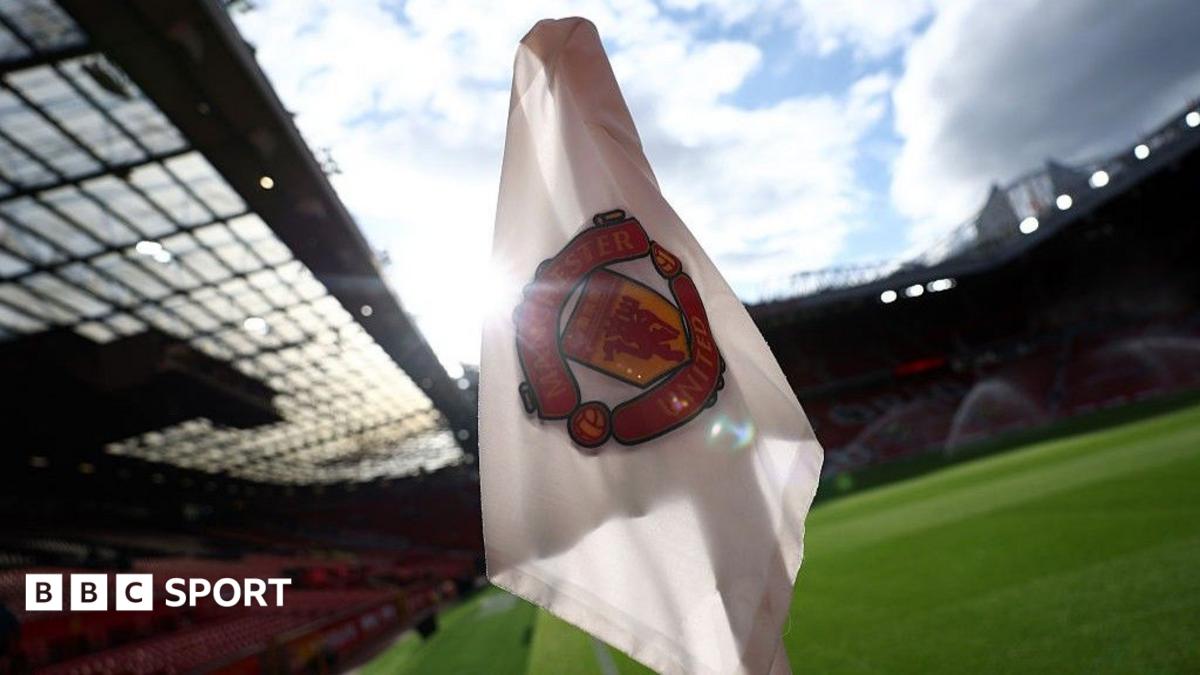

The Theatre of Dreams Is Now a Pawn Shop
Manchester United's transfer strategy isn't a strategy at all. It's a high-interest payday loan secured against the club's own history. Record revenue of £677.6m and a £43m pre-tax loss tell the real story: this is a club spending money it doesn't have on players it doesn't need.
How United Ended Up Here
The Glazer era turned the world's most valuable football club into a leveraged buyout experiment. Since 2005, over £1bn has flowed out in debt interest, dividends, and fees. That's not a typo. Every signing since Sir Alex Ferguson retired has been funded not by organic growth but by borrowing against future earnings. The result is a squad assembled like a panic-bought supermarket trolley: Casemiro on £350k a week, Antony at £85m, Jadon Sancho frozen out. None of it coheres.
Compare that to Liverpool under FSG. They sold Philippe Coutinho for £142m and bought Alisson and Virgil van Dijk. United sold nobody of note and bought everyone. The difference is not ambition; it's planning. United's approach is the football equivalent of buying a new sofa every time the boiler breaks. The leak remains.
Record Revenue, Record Losses: The Maths Don't Lie
The club's latest accounts show £677.6m in revenue, a £22.6m operating profit—and a £43m pre-tax loss. Debt remains above £1bn. CEO Omar Berrada pledges "discipline" while the club spends £63.5m on land for a new stadium. That's not discipline; that's distraction. Meanwhile, United are tracking River Plate goalkeeper Santiago Beltran, 21. Another promising South American. Another gamble. Another name to add to the pile of players who arrive with hype and leave with scars.
The youth academy, once the envy of Europe, is now a heritage exhibit. Marcus Rashford and Mason Greenwood were the last genuine breakthroughs. Kobbie Mainoo is the exception that proves the rule. The club now buys teenagers like Adama Jeng—15-year-old Gambian midfielder—while simultaneously paying £117m for Morgan Rogers, a player Chelsea flipped for profit. United are neither building for the future nor winning now. They are stuck in a loop of reactive spending.The Case Against United's Model
- Debt servicing eats transfer budget: Over £1bn owed means every summer window is funded by credit, not cash flow. Interest payments alone could cover two elite signings per year.
- No coherent playing identity: Since Ferguson left, United have hired six permanent managers with six different philosophies. Each inherits a squad built for the previous one. The result is a Frankenstein team.
- Academy neglect: The Class of '92 is a museum piece. United's under-18s have won nothing of note in a decade. Meanwhile, Chelsea and Man City stockpile young talent and sell for pure profit under PSR rules.
The Counter-Argument: "But They Have To Spend"
The defence is familiar: United generate huge revenue, so they can afford it. But that's the trap. Revenue without profit is vanity. The club's commercial machine—sponsorships, merchandise, matchday—is maxed out. There is no new growth to fund a £200m summer spree. The only way to spend is to borrow, and the only way to borrow is to mortgage more of the future.
Others argue that one good window fixes everything. But United have had ten good windows on paper. The problem isn't the names on the shirts; it's the scaffolding holding them up. A club with £1bn debt, a decaying stadium, and no sporting director worth the title cannot simply buy its way out. It needs a fire sale, a reset, and a five-year plan. None of that is on the agenda.
Verdict: United Will Finish Outside the Top Four Again
Predicting United's decline is easy. Predicting the exact mechanism is harder. Here's a falsifiable call: Manchester United will finish outside the Premier League top four in the 2026-27 season, and their net transfer spend next summer will be negative—they will sell more than they buy. Why? Because PSR pressure, debt repayments, and an impatient fanbase will force a correction. If they don't, the club risks becoming the next Leeds: a giant living on borrowed time and borrowed money. The theatre of dreams is now a pawn shop. And the customers are waking up.
Related Articles
Filed under: Opinion | LA Premier League Home