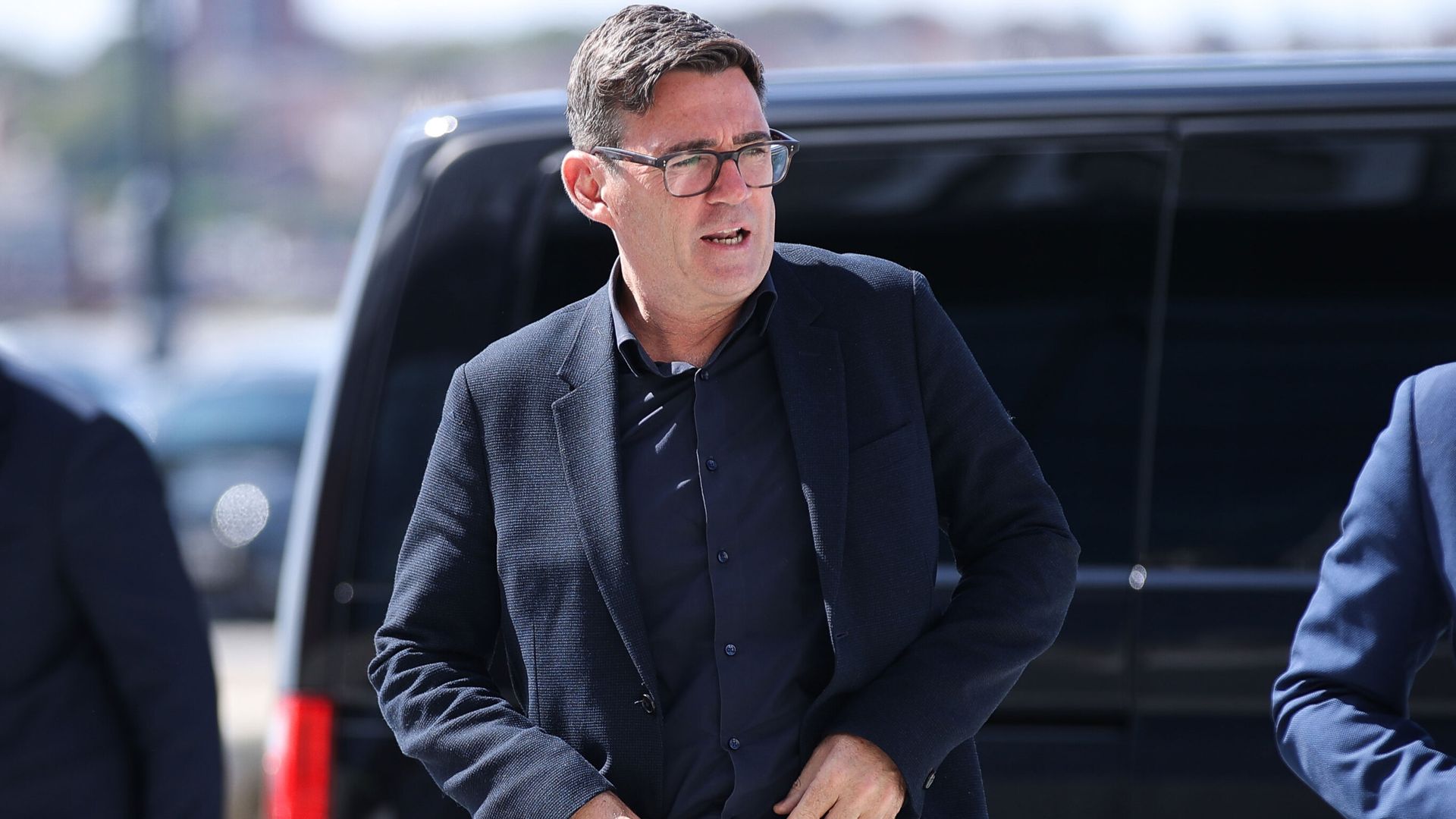
Andy Burnham: PM Backs Scrapping Football Drinking Ban in Stands
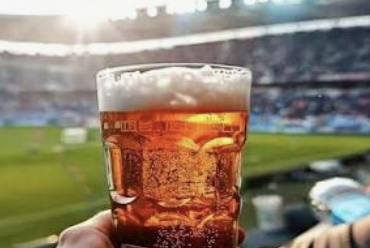
Prime Minister Andy Burnham has reignited the debate over drinking in football stands, stating the 1985 ban is unfair and should be reviewed. Speaking from New York, the Everton fan insisted he will not back away from his long-held view, prompting police to seek urgent talks.
- Who: Prime Minister Andy Burnham, an Everton supporter
- What: Wants to see beer return to football stands, calling the ban discriminatory
- When: Comments made during a trip to the UN in New York
- Where: Premier League and EFL grounds across England and Wales
- Why: Believes the legislation, dating from 1985, is outdated and unfair to football fans
- Opposition: UK Football Policing Unit wants to meet the PM over safety and policing concerns
The law banning drinking in the stands at football matches was introduced in 1985 amid concerns about hooliganism. But Burnham, who has previously voiced his opposition, said the discrimination against football fans is wrong and there is a case to remove it.
What was said
"I don't think it's fair for football fans to be singled out in that way and I made that point."
"That legislation dates to an era where football was very different, and I do believe there is a case to remove that discrimination."
"There are different ways it could be done - it could happen on a trial basis."
"But I'm not going to back away from what's been a long held view of mine."
"I don't see how it can be fair that some supporters of one sport can be treated differently."
Burnham's comments are a direct challenge to the status quo and put him at odds with law enforcement. His suggestion of a trial basis indicates a willingness to compromise, but his language leaves little doubt about his ultimate goal.
The Prime Minister's argument centres on fairness: why should football fans be denied a privilege enjoyed in other sports? However, critics argue that football's unique culture and history of disorder justify special treatment.
Why Burnham wants change
Andy Burnham has long been an advocate for football supporters, and his Everton allegiance gives him a personal stake. The 1985 legislation was enacted during a dark period for English football, with hooliganism rampant. Burnham contends that the game has transformed, with modern stadiums and policing methods making the ban obsolete.
His call for a trial basis suggests a pragmatic approach. Rather than a blanket repeal, he envisions a controlled experiment that could be evaluated before any permanent change. That would allow evidence to build and could ease concerns from police and safety groups.
Yet the Prime Minister's stance also carries political risk. The UK Football Policing Unit's swift response highlights the sensitivity. By seeking a meeting, they aim to present the operational realities of allowing alcohol in stands. If the PM ignores their concerns, he could be accused of prioritising populism over safety.
The numbers
- 1985: The year the ban on drinking in football stands was introduced.
- 1 sport: Football is the only major sport in England and Wales where drinking in the stands is prohibited.
- 0 trial schemes have been announced as yet, but Burnham suggested it as a possible route.
Police pushback
The UK Football Policing Unit responded quickly, stating they would like to meet with the Prime Minister to "discuss his views and explain the challenges these proposed changes would bring to policing and the safety of staff and fans at football games".
"Other sports simply don't see the violence and criminal behaviour from their supporters that football does, albeit a minority, with alcohol often playing a significant part in violent and disorderly behaviour."
"It would be irresponsible to fuel this by allowing greater alcohol consumption during games."
The police's stance is unequivocal: alcohol is a major contributor to disorder at football matches. They argue that lifting the ban would exacerbate existing problems, putting fans and staff at risk.
This sets up a potential clash between the Prime Minister and law enforcement. Burnham has not yet responded to the police statement, but his previous comments suggest he is prepared to defend his position robustly.
What happens next
The immediate next step is likely a meeting between the Prime Minister and the UK Football Policing Unit. That discussion will determine whether Burnham softens his stance or pushes ahead with proposals for a trial. Any trial would require legislation, meaning parliamentary time and consultation with clubs, fan groups and police. The stakes are high: a successful trial could lead to a permanent change, while failure could entrench the ban for another generation.
Talking points
- Should football fans be trusted to drink responsibly in stands, or does the sport's history of hooliganism make the ban necessary?
- Would a trial basis be a sensible compromise, or just a stepping stone to full repeal that police cannot manage?
- Is it fair that rugby and cricket fans can drink in view of the pitch, while football fans cannot?
- Could allowing alcohol in stands actually improve atmosphere and reduce binge-drinking before matches?
Frequently asked questions
Is drinking in football stands currently illegal?
Yes, it is against the law to drink in the stands at football games in England and Wales, a ban introduced in 1985 due to concerns about hooliganism.
What has Andy Burnham said about the drinking ban?
Burnham said he doesn't think it's fair for football fans to be singled out and believes there is a case to remove the discrimination, possibly on a trial basis.
What does the UK Football Policing Unit think?
The UK Football Policing Unit wants to meet the PM to explain the challenges and has warned that allowing greater alcohol consumption would be irresponsible given alcohol's role in disorder.
Related Articles
Filed under: Latest News | LA Premier League Home