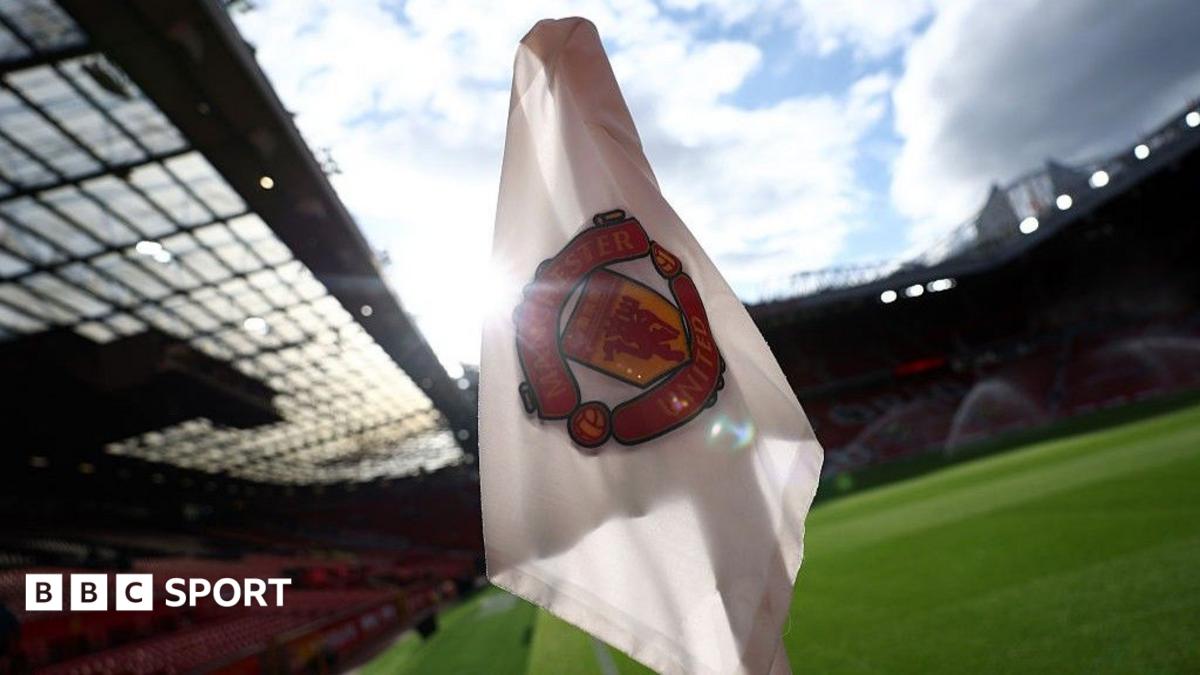
Man Utd debt stays above £1bn as £63.5m spent on new stadium land
Manchester United's overall debt remains over £1bn, the club has confirmed, even as it posted record revenues of £677.6m and a £22.6m operating profit. United also revealed £63.5m was spent buying land for a new stadium, with fans protesting against what they see as chronic under-investment in the squad.
- Overall debt: Still above £1bn, down from £1.3bn at the end of December.
- Record revenue: £677.6m, with a £22.6m operating profit despite no European football.
- Stadium land: £63.5m spent on land for a new ground likely to cost in excess of £2bn.
- Net finance costs: £69.6m, an increase of 228.3%, largely due to a foreign exchange loss.
- Summer spend: £148m on three signings — Carlos Baleba, Andrey Santos and Youri Tielemans.
- League position: 12th in the Premier League and already out of the EFL Cup.
The numbers
- Record revenues: £677.6m
- Operating profit: £22.6m
- Previous year loss (2023-24): £113.2m
- Net finance costs: £69.6m (up 228.3%)
- Historic debt: £577.6m
- Revolving credit facility outstanding: £111.4m
- Transfer fees outstanding: approx. 75% of £473m listed as 'trade and other payables'
- Stadium land spend: £63.5m of an additional $125 (£94.14m) added to historic debt
- Salary costs: reduced by £11.3m to £302m
- Pay-off saved from axed boss Ruben Amorim: £8.5m of a projected £16.5m
- Summer transfer spend: £148m on three players
What was said
"We are pleased to have secured record revenues. This demonstrates the underlying strength of our business, and shows the direct impact of the work we have been doing over the past two years."
"While these results confirm that we are on the right trajectory, we will continue to take a disciplined approach to ensure our finances remain sustainable."
"With that financial sustainability in mind, we have strengthened both our men's and women's teams during the summer window and our men's team has seen the return of Champions League football to Old Trafford."
"This is primarily due to changes in the make-up of the men's first team squad, combined with savings associated with headcount reduction programs implemented over the previous two fiscal years."
Berrada's insistence on sustainability sits awkwardly beside a debt that refuses to fall below £1bn. The club frames the summer's modest outlay as a consequence of stadium investment, but the loan is lodged within club accounts. For supporters, the message that United cannot afford a left-back while spending £63.5m on land is difficult to square. The chief executive points to Champions League football returning to Old Trafford, yet United sit 12th and are out of the EFL Cup.
Why the debt figure matters more than the profit
An operating profit of £22.6m is a genuine improvement on last year's £113.2m loss, and record revenues without European football are a testament to the club's commercial machine. But net finance costs of £69.6m — an increase of 228.3%, driven largely by a foreign exchange loss — dwarf that operating profit. According to football finance expert Kieran Maguire, that sum alone has now exceeded £1bn since the Glazer family's leveraged buyout in 2005. United are, in effect, paying more to service debt than they generate from operations.
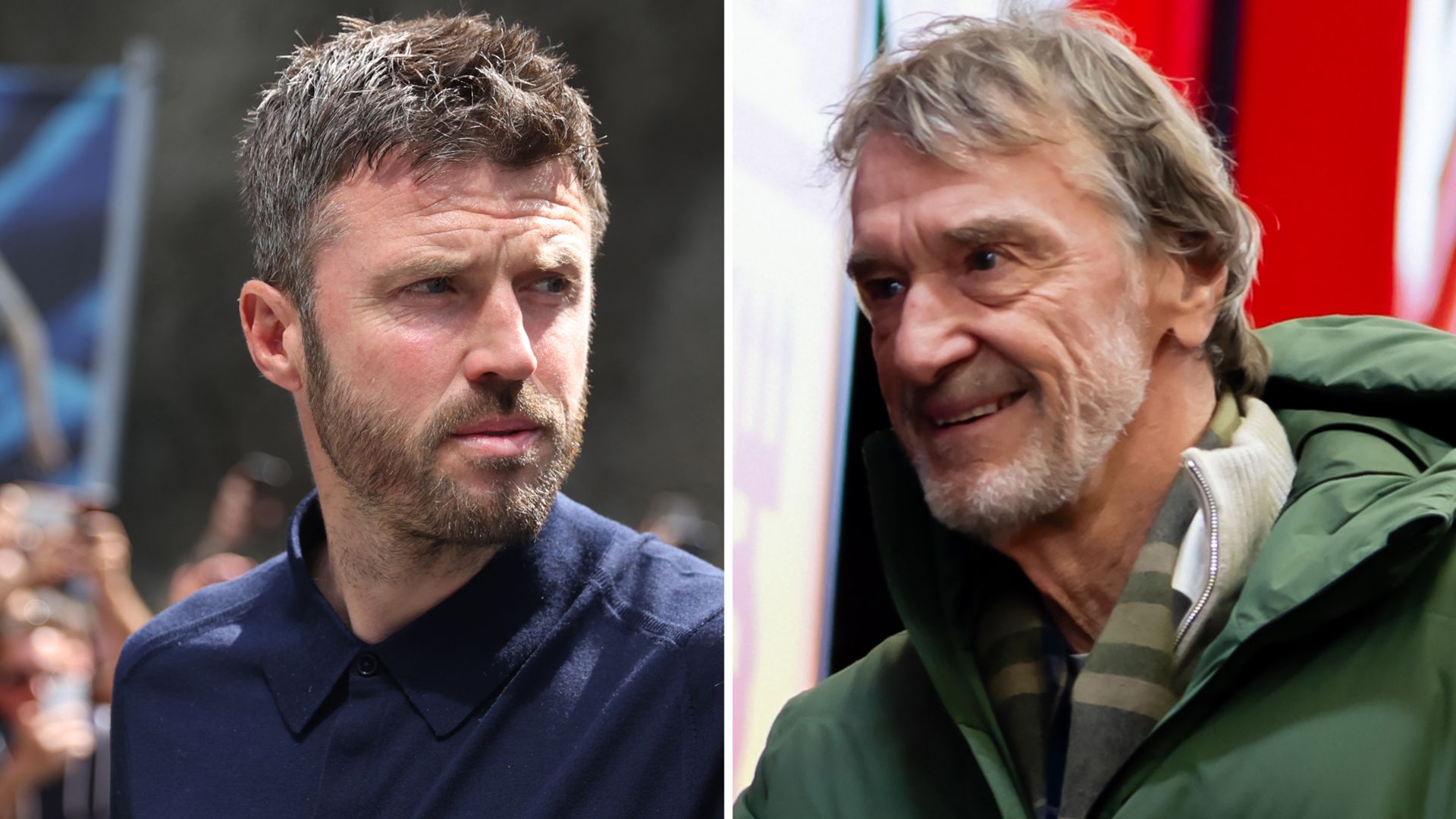
The £63.5m spent on stadium land forms part of an additional $125 (£94.14m) added to historic debt during a summer refinancing move, and the club has not explained what it has done with the remainder. The stadium itself is likely to cost in excess of £2bn, with the new ground to be built 350 yards from where Old Trafford stands. That is a decade-long commitment, and it comes while Michael Carrick is trying to rebuild a squad that has already lost three matches with Luke Shaw absent through injury.
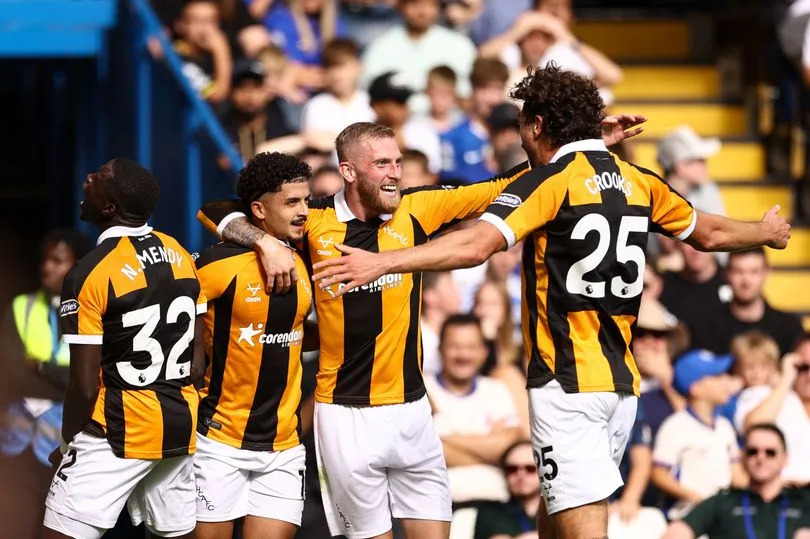
United spent £148m on Carlos Baleba, Andrey Santos and Youri Tielemans. That is less than a third of the £458m Manchester City invested and lower even than newly promoted Ipswich. Fans are furious that no additional left-back arrived to compete with Luke Shaw, who has missed three matches already, and no striking support was signed for Benjamin Sesko, who missed pre-season recovering from a shin complaint that has already resurfaced. The women's team, second bottom of the WSL with one point from three games, has also been starved of investment.
Talking points
- How can United claim financial sustainability while carrying a £1bn debt and spending £63.5m on land? The priorities look upside down to match-going fans.
- Sir Jim Ratcliffe's cost-cutting saved £8.5m on Ruben Amorim's pay-off and £11.3m in salaries, but 450 jobs went — was that worth it?
- Spending £148m while City spend £458m and Ipswich outlay more is a recipe for mid-table mediocrity, not a title challenge.
- Ignoring the women's team, second bottom of the WSL, sends a damaging message about the club's broader ambitions.
What happens next
United must navigate the coming transfer windows with the financial restrictions Berrada describes, while Carrick copes without a specialist left-back and with Benjamin Sesko's shin problem threatening his availability. The club's next set of accounts will reveal whether the stadium land purchase is a one-off or the start of a spending pattern that further squeezes the squad. For supporters, the immediate focus is the Premier League table — 12th is not where a club with £677.6m revenues expects to be.
Frequently asked questions
How much debt do Manchester United have?
United's overall debt is still over £1bn, made up of £577.6m historic debt, £111.4m outstanding on a revolving credit facility, and outstanding transfer fees representing approximately 75% of £473m listed as 'trade and other payables'.
How much did Manchester United spend on new stadium land?
The club confirmed it spent £63.5m of an additional $125 (£94.14m) added to its historic debt during a summer refinancing move on land for the new stadium, which is likely to cost in excess of £2bn.
Who did Manchester United sign this summer?
United spent £148m on three signings — Carlos Baleba, Andrey Santos and Youri Tielemans — but did not sign a left-back or striking cover.
Related Articles
Filed under: Club News | LA Premier League Home