
The VAR circus is a deliberate smokescreen
VAR has become football's most effective distraction tactic. While fans rage at pixelated offsides, the Premier League's real problems—financial doping, scheduling greed, and refereeing accountability—slip by unnoticed. It's time to call out the con.
How we got here: a brief history of techno-folly
When VAR arrived in 2019, it promised to eliminate 'clear and obvious errors'. Instead, it created a new category of error: the forensic, frame-by-frame farce. Remember the 2023 Liverpool offside at Tottenham? Luis Díaz's goal was wrongly disallowed because the VAR, Darren England, thought the on-field decision was a goal. The communication breakdown was comical, yet the Premier League's response was to tweak protocols, not to address the root cause: referees hiding behind technology.
Compare this to rugby's TMO or cricket's DRS, where the on-field referee retains authority and the big screen shows the decision-making process. In football, VAR has become a shadowy cabal at Stockley Park, unaccountable and opaque. The Premier League's own data shows that despite VAR, referee error rates have not significantly improved; they've just shifted from the pitch to the booth.
The argument: VAR is a convenient scapegoat
The genius of VAR, from the Premier League's perspective, is that it redirects fan fury away from the real issues. While supporters scream about a toe offside, they ignore the fact that the league is owned by oligarchs and state actors, that ticket prices are extortionate, and that the fixture calendar is a physical assault on players.
- Refereeing accountability: When was the last time a Premier League referee was demoted for a string of poor performances? Instead, they're protected by a culture of silence, with PGMOL issuing bland apologies that change nothing.
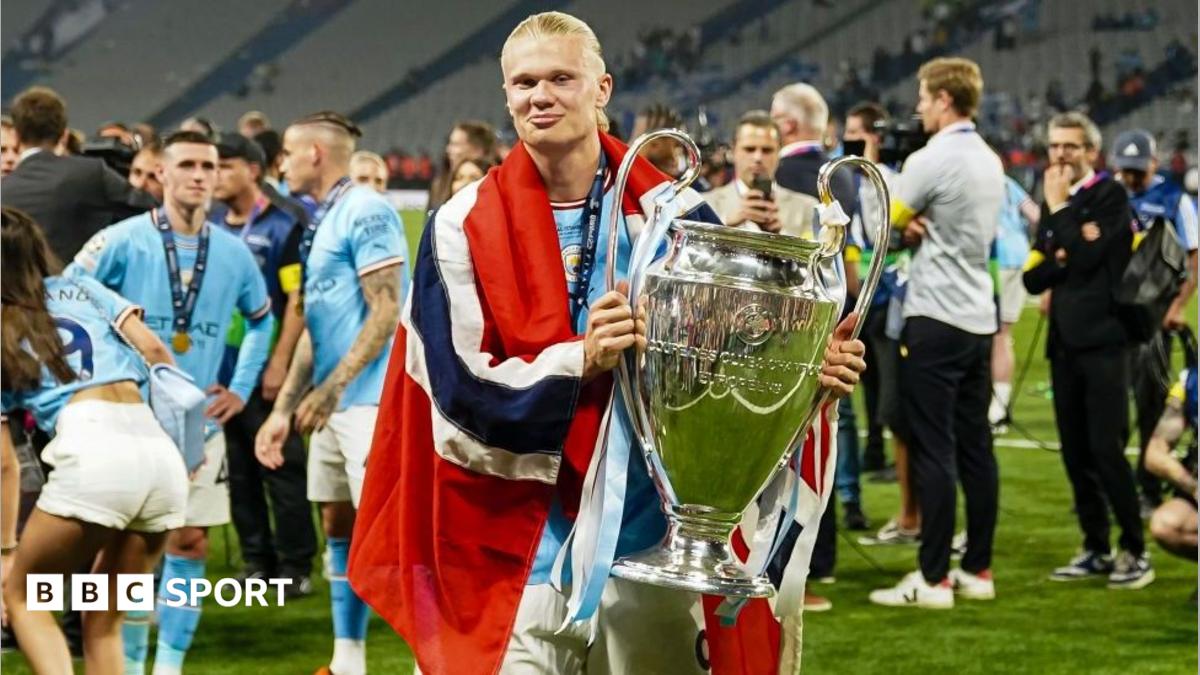
- Financial doping: Manchester City's 115 charges have been dragged through the courts for years. Meanwhile, VAR controversies dominate headlines, ensuring the sport's biggest scandal stays off the front pages.
- Player welfare: The addition of VAR stoppages has lengthened games, yet the Premier League refuses to reduce the number of fixtures. Players are treated as disposable assets while fans argue about handball interpretations.
VAR has become the perfect villain: it's faceless, inconsistent, and easy to hate. But by focusing on it, we let the Premier League off the hook for its systemic failures.
The counter-argument: without VAR, football would be worse
The standard defence is that VAR, for all its flaws, corrects more errors than it creates. Without it, we'd return to the days of Thierry Henry's handball against Ireland or Maradona's 'Hand of God'. But this is a false dichotomy. The choice isn't between VAR and chaos; it's between VAR as it is and a better version.
The Premier League could adopt a challenge system, where each manager gets two reviews per game, forcing accountability onto clubs and reducing the endless checking of every goal. It could mic up referees and broadcast their conversations, as they do in the NFL. It could introduce a time limit on VAR decisions, as suggested by FIFA. Instead, it tinkers around the edges.
Moreover, the claim that VAR reduces controversy is laughable. Controversy hasn't disappeared; it's just moved from the pub to the VAR booth. The same fans who once argued about a referee's decision now argue about the interpretation of a slow-motion replay. The net gain is zero.
Verdict: the Premier League will sacrifice VAR to save itself
Here's my prediction: within two seasons, the Premier League will announce a 'root and branch' review of VAR, leading to a watered-down version that gives more power to on-field referees. This will be presented as a victory for fans, but it will be a calculated move to quell dissent while preserving the status quo. The real issues—financial fair play, governance, and player welfare—will remain untouched.
By 2026, VAR will still exist, but it will be less intrusive. The Premier League will claim it has listened. And the fans will cheer, oblivious to the fact that they've been played. The only way to truly reform football is to stop shouting at the screen and start asking harder questions of the people who run the game.
Related Articles
Filed under: Opinion | LA Premier League Home