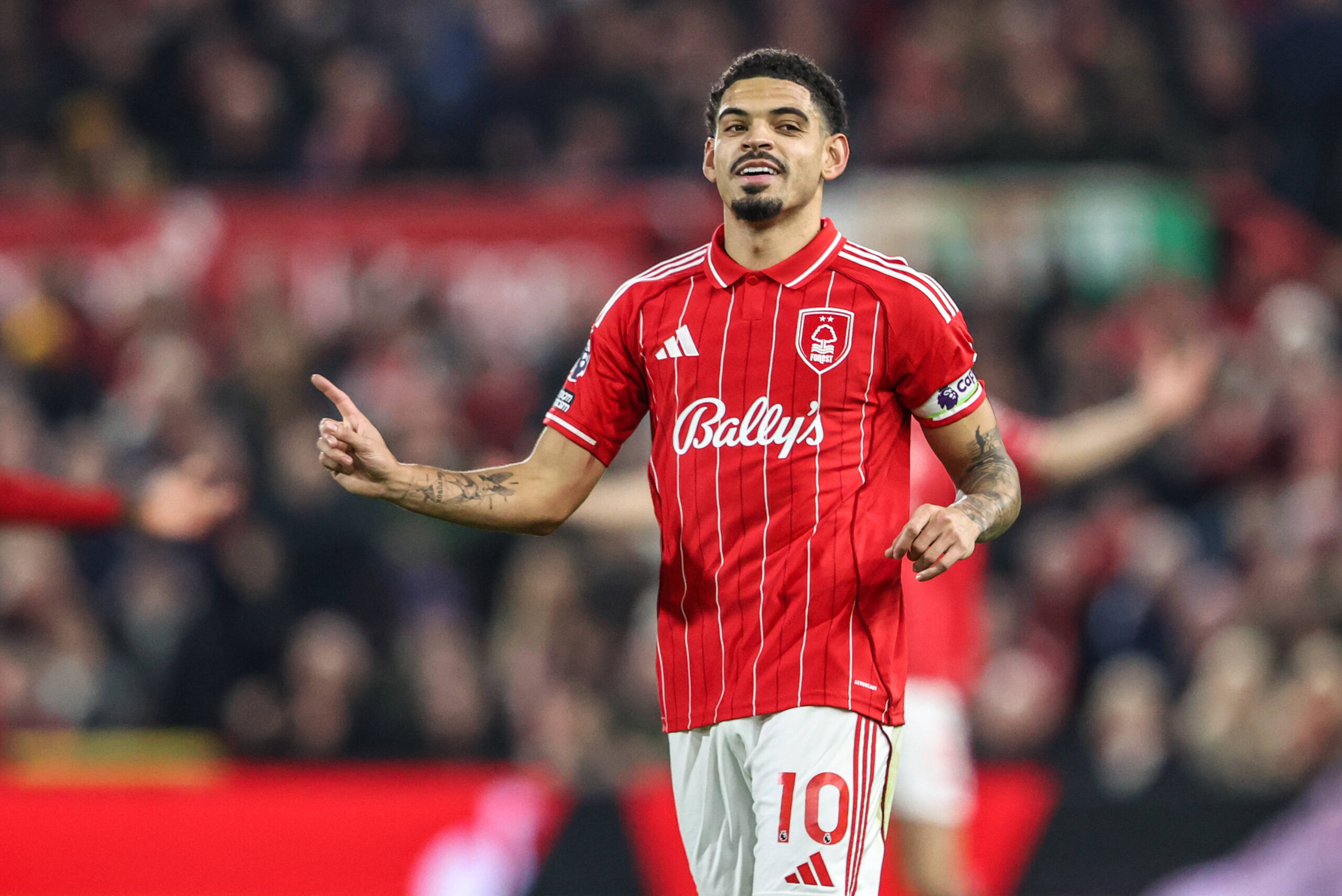

Nottingham Forest have found the Premier League's biggest loophole: owning their own stadium
While Everton and Nottingham Forest trade points deductions like Pokémon cards, the real financial scandal is hiding in plain sight. Clubs that own their stadiums can flog them to themselves for profit — and the Premier League's Profit and Sustainability Rules (PSR) wave it through. It's not cheating; it's accounting. But it's also the most brazen manipulation of competitive balance since Roman Abramovich parked his tanks on the lawn.
The Premier League's PSR farce has a historical precedent — and it stinks
In March 2024, Nottingham Forest were docked four points for breaching PSR. Their defence? The sale of Brennan Johnson to Tottenham for £47.5m was completed 46 days after the accounting deadline. The independent commission showed no mercy. But Forest's real sin wasn't Johnson. It was that they hadn't sold their stadium — yet.
Compare that to Derby County in 2019. Under Mel Morris, the Rams sold Pride Park to a Morris-owned company for £81m, transforming a £14m loss into a £40m profit. The EFL initially approved it, then objected. The stadium sale became the centrepiece of a legal war that dragged on for years. Derby eventually paid the price. But the precedent was set: sell your own concrete, and you can write your own balance sheet.
Now look at Chelsea. In 2022, Todd Boehly's consortium bought the club but not the real estate. Stamford Bridge's freehold remains with Chelsea Pitch Owners, a fan-led group. That's romantic. It's also a financial handbrake. Chelsea can't sell the ground to themselves to offset losses. Instead, they're stuck flogging hotels to sibling companies and hawking hotel naming rights to the highest bidder. Meanwhile, Manchester City lease the Etihad from Manchester City Council for a pittance. Their revenue streams are inflated by associated-party deals that the Premier League has spent years investigating. The result: City face 115 charges. Forest face four points. The system isn't broken — it's rigged.
The argument: stadium ownership should count as sporting advantage — and be regulated as such
Here's the uncomfortable truth. A club that owns its stadium can generate revenue that a club leasing its ground cannot. That's fine. But when a club can book a one-off profit by selling that stadium to itself, PSR becomes a choose-your-own-adventure novel. Nottingham Forest didn't sell the City Ground. They didn't need to — they sold Brennan Johnson instead. But if they had sold the City Ground to a shell company owned by Evangelos Marinakis, the Premier League would have had to accept it as a legitimate transaction, because the rules allow it.
This isn't a loophole. It's a gushing wound. The Premier League's PSR rules were designed to stop clubs spending beyond their means. Instead, they've created a market where the smartest accountants win. Consider these three examples:
- Aston Villa sold Villa Park to a subsidiary for £56.7m in 2019, wiping out a £34m loss. They avoided a points deduction and later qualified for the Champions League.
- Derby County sold Pride Park for £81m, posting a £40m profit. They were later charged, but only after the sale had achieved its purpose.
- Sheffield Wednesday sold Hillsborough to owner Dejphon Chansiri for £60m in 2019 — a transaction the EFL eventually deemed improper, but only after a two-year fight.
Nottingham Forest's current situation is instructive. They were punished for spending too much on players, not for selling their stadium. But if they had sold the City Ground — as they might do if they fall foul of PSR again — they'd be rewarded for financial engineering. The message is clear: buy players, get deducted. Sell your ground, get promoted. That's not a rulebook. It's a casino.
The counter-argument: stadium sales are legitimate revenue, and PSR is already too restrictive
The counter is seductive. Stadiums are assets. Clubs should be allowed to realise their value, just like any business. If a club owns a £200m stadium, why shouldn't it be able to sell it to fund the squad? PSR, after all, is a wage cap by another name — an attempt by the big clubs to pull up the ladder.
That's true, up to a point. But the problem isn't the sale. It's the valuation. When a club sells a stadium to a related party, the price is whatever the owner wants it to be. There's no open market. No competitive bidding. It's the financial equivalent of a football club selling its training ground to a company owned by the same man for £10m, then claiming it was worth £10m because the man said so. The Premier League has no independent valuation mechanism. So the loophole remains wide open.
Nottingham Forest have not sold the City Ground. Not yet. But they might. And if they do, they'll join a long list of clubs who have used property to dodge the very rules meant to enforce sustainability. The irony is that Forest's points deduction was triggered by the sale of a player — the most honest transaction in football. If they'd sold the stadium instead, they'd have escaped without a scratch. That's not a system that rewards prudence. It's a system that rewards clever lawyers and creative accountants.
Verdict: the Premier League will close the loophole only after a club like Forest exploits it to win a trophy
The Premier League will not act until it's embarrassed. It will act when a club sells its stadium, clears its PSR debt, signs a £100m striker, and finishes above a club that has been financially responsible. Then the independent commission will issue a ruling that stadium sales to related parties are no longer acceptable. Until that day, clubs like Nottingham Forest will keep their options open — and their accountants on speed dial. The first club to sell its ground to itself for £200m and win the title will force the rule change. My prediction: that club will be Newcastle United, and it will happen within three years. When it does, the Premier League will have no one to blame but itself.
Related Articles
Filed under: Opinion | LA Premier League Home