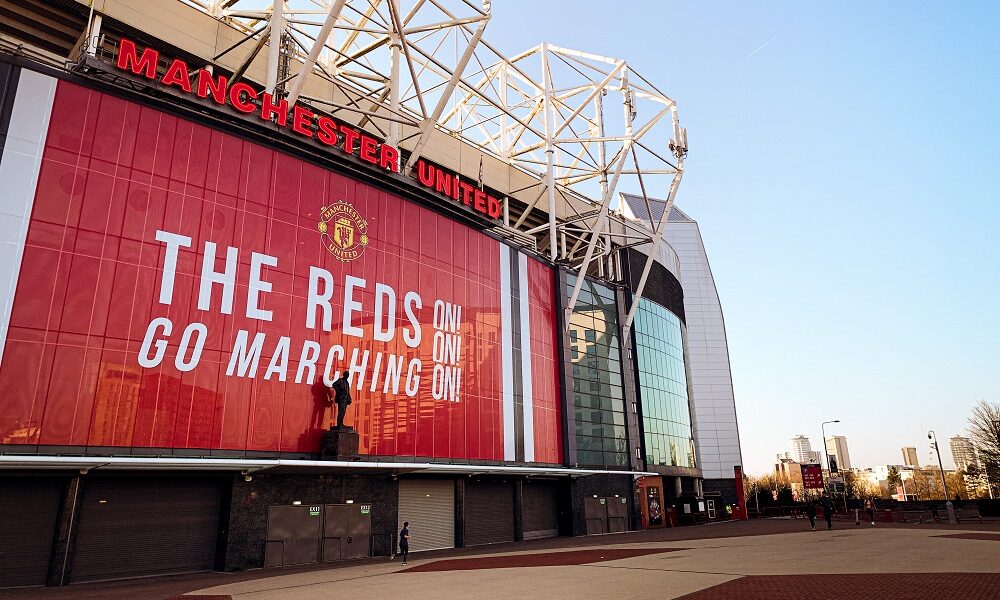

Manchester United's Academy Is Now a Feeder System for Europe's Superclubs
Manchester United used to hoard teenage talent like a dragon hoards gold. Now they hand it to Real Madrid, Barcelona and Bayern Munich with a polite smile. JJ Gabriel's request to leave at 16 is not a one-off. It is the logical endpoint of a decade of strategic drift.
The Class of '92 Was a Bug, Not a Feature
English football treats United's Class of '92 as proof of a grand academy plan. It was an accident. A freak crop of local lads — Beckham, Scholes, Butt, the Nevilles — landed in the same age group during a period when United's first team was so strong that throwing them in was low-risk. Ferguson could blood them because Cantona, Keane and Schmeichel were winning matches. That safety net vanished long ago.
Since then, United have produced exactly one world-class homegrown regular: Marcus Rashford, a generational anomaly who broke through under Louis van Gaal in 2016 because of an injury crisis. The list of academy graduates who left for nothing or next to nothing reads like a who's who of Premier League midfields: Paul Pogba (free to Juventus in 2012, then £89m back), Danny Welbeck (sold to Arsenal), Michael Keane (sold to Burnley), Dean Henderson (loaned forever, then sold). The academy is not a pipeline. It is a sieve.
The JJ Gabriel Saga Is a Symptom, Not the Disease
Gabriel turned 16 on Tuesday and immediately asked to leave. Real Madrid, Barcelona, PSG and Bayern circled. Chelsea — who thought they had him — were blindsided. The briefings call it a betrayal. Nonsense. Gabriel is doing what any rational 16-year-old does when Europe's elite promise a clearer path to first-team football.
United's response has been to identify Eddie Howe as a replacement for Michael Carrick after a poor start. That is rearranging deckchairs. Howe is an excellent coach, but he cannot fix a structural problem: United no longer control the development of their own best teenagers. They have become a finishing school for clubs that actually trust young players.
- Real Madrid: Signed Vinicius Jr at 18, gave him 20 La Liga starts in his first season. United loan out 18-year-olds to League One.
- Barcelona: Gavi made his debut at 16, Pedri at 17, Lamine Yamal at 15. United's 16-year-olds are told to wait behind £70m signings.
- Bayern Munich: Jamal Musiala left Chelsea at 16 because Bayern promised first-team minutes. United's academy products watch Casemiro and Eriksen instead.
The pattern is clear. United's academy produces players good enough for Europe's elite, but the club's first-team recruitment is so erratic that those players never get a chance. Then the club panics and buys expensive, older replacements. The cycle repeats.
But United Have Spent Big on Youth — Haven't They?
The counter-argument is that United have invested heavily in youth: Amad Diallo, Facundo Pellistri, Hannibal Mejbri, Willy Kambwala. They have signed teenagers from Atalanta, Penarol, Monaco and Sochaux. The problem is not recruitment. It is integration. Amad, now 23, has started fewer than 30 league games for United. Hannibal was loaned to Birmingham and Sevilla before being sold to Burnley. Pellistri was loaned to Alaves and Granada before leaving for Panathinaikos.
Those are not failures of talent. They are failures of nerve. United's managers — from Moyes to Ten Hag to Carrick — operate under a cloud of immediate results. The Glazers demand Champions League revenue. The fans demand instant success. No manager can afford to blood a 17-year-old when a £60m signing is available. So the academy becomes a commercial asset: sell the graduates, book the pure profit under PSR, and buy a ready-made replacement.
That is not a youth strategy. It is an accounting strategy. And it is why Gabriel, a player United had nurtured since he was 12, is now packing his bags for Madrid or Barcelona. He can see the difference between a club that develops and a club that merely stockpiles.
United Will Lose Two More Academy Stars Within 18 Months
Unless there is a radical shift — a manager given a three-year mandate to prioritise development over results, a sporting director with the power to reject short-term signings — United will lose at least two more elite teenagers to European clubs by summer 2026. Gabriel is the first. He will not be the last. And when he lifts a Champions League trophy in a white or blaugrana shirt, Old Trafford will call it a tragedy. It is not a tragedy. It is a strategy.
Related Articles
Filed under: Opinion | LA Premier League Home