
The Premier League's Greatest Fear Isn't City's Guilt — It's Their Own Reflection
If Manchester City are relegated, the Premier League won't be punishing a cheat. It will be amputating a limb it voluntarily grafted onto itself. Every club now leaking expectations of City's demise is complicit in the very distortion they claim to oppose.
This isn't justice. It's a panicked immune response to a body that has already accepted the poison. The 115 charges are not a moral reckoning. They are the bill for two decades of wilful blindness, and the league is now rummaging through its pockets hoping someone else pays.
A Historical Parallel: Serie A's Trial of the Century
In 2006, Juventus were stripped of two Scudetti and relegated to Serie B for a systematic web of influence. The Italian football establishment didn't blink. It acted decisively because the rot was domestic — Luciano Moggi was one of them, a familiar Italian face. The punishment was brutal but contained. Within a year, Juventus were back in Serie A. Within five, they had won another title. The system healed because the wound was self-inflicted and the patient was willing.
Manchester City's case is different. The alleged offences — inflated sponsorship deals, disguised owner investment, obstruction of investigations — involve a sovereign state's sovereign wealth fund. The Premier League is not putting Juventus on trial. It is putting Abu Dhabi on trial. And Abu Dhabi does not accept the jurisdiction of a football league's arbitration panel when it has, in places like Manchester, invested in the regeneration of the very city that hosts its club.
This is not an exaggeration. The UK government has had to consider whether a hostile verdict against City might jeopardise trade relationships, direct investment, and the post-industrial revival of East Manchester. Burnham's awkward silence on the matter speaks louder than any stadium banner. The political complications are no longer theoretical; they are the litigation's unspoken third party.
The Real Sin: The Premier League Sold Its Regulatory Soul
The Premier League created this monster by turning a blind eye for years, then scrambling for Profit and Sustainability Rules that only began to bite when the damage was already done. City's commercial revenue, which suspiciously tripled after 2010, was waved through. The league's auditors were either incompetent or complicit. Neither is a defence.
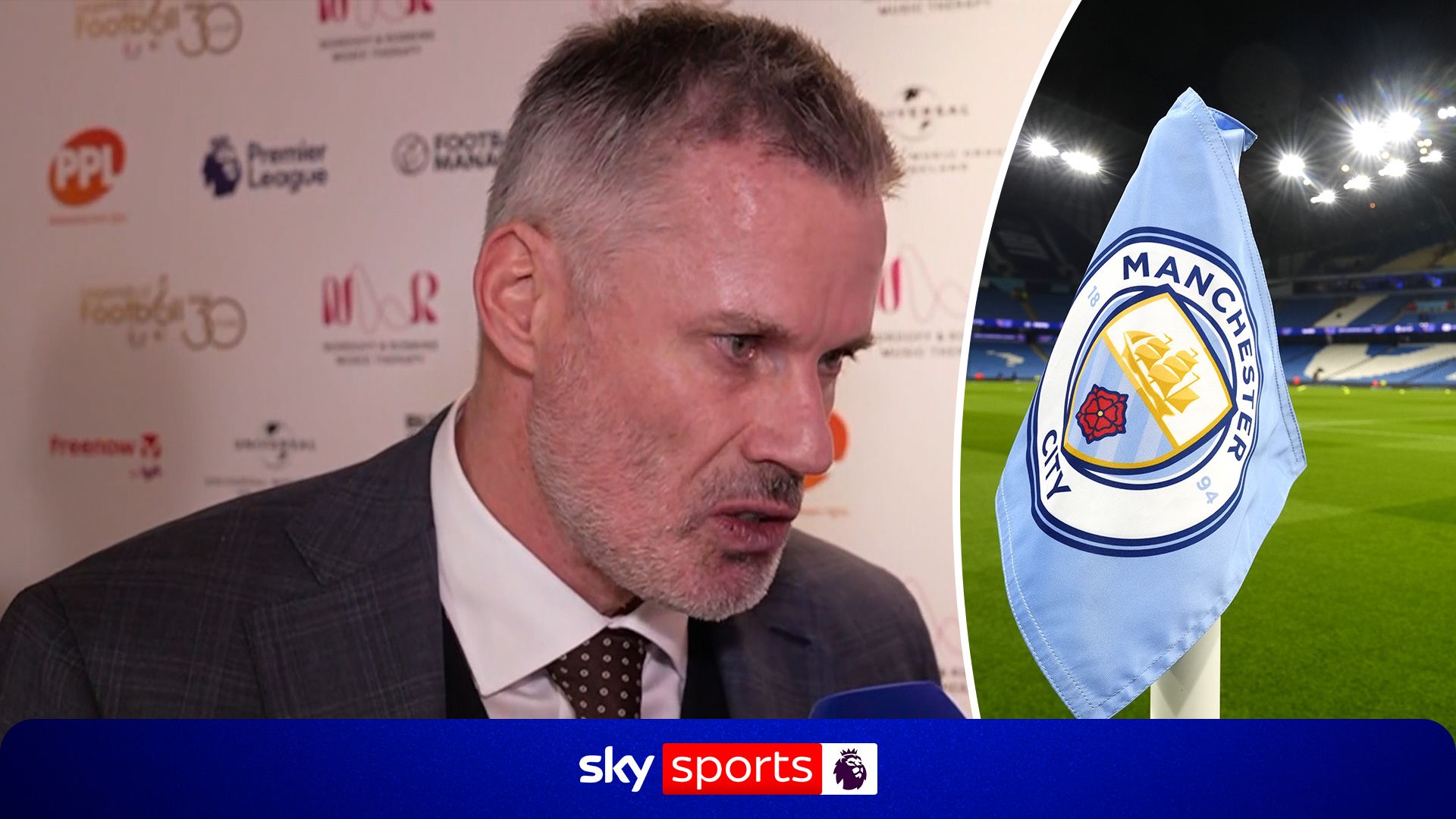
The protests from rival clubs now — the leaked expectations that City will be relegated, Carragher's call for a speedy verdict — reek of selective outrage. These same clubs courted Gulf investment, accepted sponsorship deals from state-linked entities, and happily took the broadcast money that City's global dominance helped inflate. They are not victims. They are shareholders in the same morally bankrupt enterprise.
- Arsenal accept Emirates sponsorship and fly to Dubai for warm-weather training, all while complaining about City's financial muscle.
- Chelsea were bought by a Russian oligarch and sold to an American consortium that has since spent over £1bn in transfer fees, yet they posture as FFP martyrs.
- Newcastle are owned by the Saudi PIF, the same sovereign wealth model City pioneered, and their rivals said nothing because they were next in line.
The hypocrisy is not incidental. It is the league's operating principle. The 115 charges are not a principled stand; they are the inevitable consequence of a governance vacuum that nobody wanted to fill when it was profitable to leave it empty.
The Counter-Argument: Justice Must Be Served, Regardless of Consequences
There is a respectable argument that the Premier League has no choice but to enforce its own rules. If City are found guilty, a points deduction or relegation is the only fitting punishment. Otherwise, every future FFP charge is meaningless. The integrity of the competition demands it. You cannot have a league where billionaires write their own rulebooks.
That would be compelling if the league had ever been serious about enforcement. But the reality is that the Premier League's FFP regime was designed to protect the established elite, not to ensure fairness. It was brought in to stop another Blackburn, another City — or worse, another Leicester — from gatecrashing the party. The rules themselves are a cartel. Punishing City under them is not justice; it's enforcing a monopoly with a late, panicked alibi.
Furthermore, relegation would not restore competitive balance. It would destabilise the league's global product. The title race, the broadcast rights, the sponsorship revenue — all would be diminished. City's absence would cost the Premier League hundreds of millions. The clubs now baying for blood would soon be crying about the hit to their own balance sheets. That is the paradox at the heart of this affair: the punishment would hurt the punishers more than the punished.
Verdict: City Will Escape Relegation, and the Premier League Will Be Permanently Tainted
My prediction is precise: Manchester City will not be relegated. A fine, a transfer ban, or a suspended punishment will be the outcome — likely dressed up as a 'settlement' that avoids the political and economic fallout of expulsion. The Premier League will claim victory, City will claim vindication, and the 115 charges will fade from memory faster than a VAR controversy.
The enduring legacy will be the unravelling of top-flight governance. The league's authority will be permanently compromised, and any future challenge from a state-owned club will be met with a blank cheque and a legal team. The next sovereign fund to buy a Premier League club — and there will be one — will do so knowing the rules are optional. The 115 charges will be remembered not as justice, but as the moment the Premier League discovered its own price. It sold out long ago; this is just the receipt.
Related Articles
Filed under: Opinion | LA Premier League Home