Struijk red card: FA commission overturns it but KMI panel backs VAR in 3-2 split
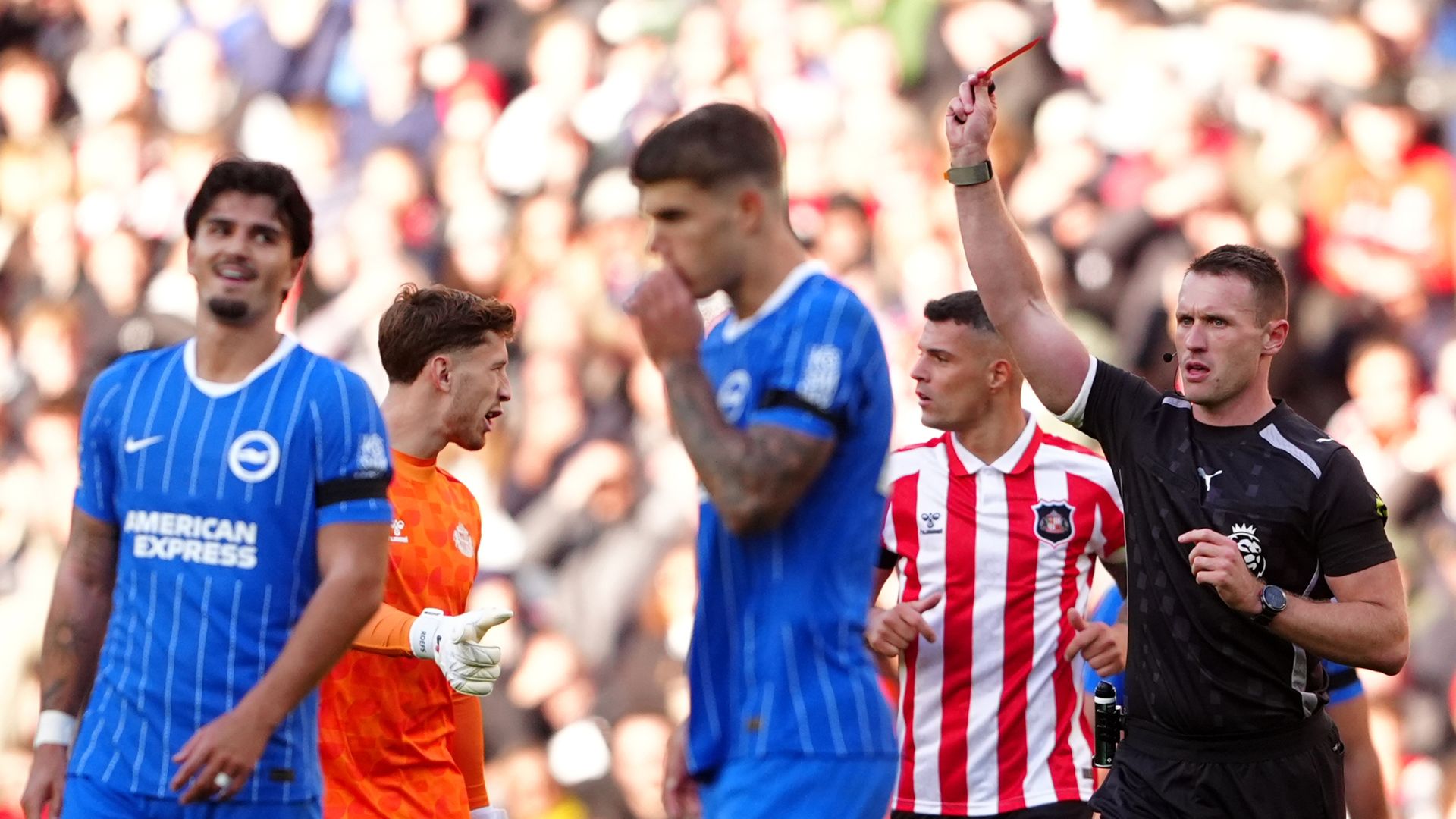
Pascal Struijk's red card in Brighton's 2-0 win over Sunderland has divided opinion. An independent regulatory commission overturned the dismissal and one-match ban, yet the Key Match Incidents (KMI) panel voted 3-2 that VAR Neil Davies was correct to intervene and recommend an on-field review.
- Match: Brighton & Hove Albion 2-0 Sunderland
- Incident: Struijk sent off for denying Wilson Isidor an obvious goal-scoring opportunity
- Referee: Thomas Bramall (no on-field call; VAR Neil Davies intervened)
- Outcome: Brighton appealed; independent commission overturned red card and one-match ban
- KMI panel: Voted 3-2 that VAR intervention was correct
- Context: Red cards for denying obvious goal-scoring opportunities are rare after VAR reviews
What was said
"I don't think it's a sending off, it's very harsh. There's a slight barge but the ball has gone through to the goalkeeper. Isidor is never going to get the ball, so the on-field decision is correct. It's not clear and obviously wrong so why should the VAR get involved? It's a free-kick but not a red card. It's the wrong call."
"It's a foul. If the referee whistles at that point, pulls out a yellow card, and it all goes away. VAR got involved because they felt that the player would gain control of the ball. With the goalkeeper there, I wonder if it goes from obvious to a possible goalscoring opportunity. If it does, it's a yellow."
"I wasn't sure whether Isidor was going to get the ball. I'd have stayed with the on-field decision. It's not clear and obvious, it's subjective. If a red card was given on-field then no problem."
"I think the keeper is getting there. At the bare minimum, the goalkeeper is competing. It is not obvious that Isidor is going to get there; I don't think it should be a red card."
Dean and Gallagher both highlight the subjective nature of denying a goal-scoring opportunity, while Dawson and Bothroyd believe VAR should not have intervened. Their views echo the 3-2 KMI panel split and the independent commission's decision to rescind the ban.
The numbers
- 2-0 — final score in Brighton's win over Sunderland
- 3-2 — KMI panel vote on whether VAR intervention was correct
- 3 — red cards for denying an obvious goal-scoring opportunity after VAR review last season (Dominik Szoboszlai, Maxence Lacroix, and one other)
- 1 — match ban originally imposed on Struijk, later overturned
Why the panels disagreed: subjectivity and 'clear and obvious'
The crux is whether Wilson Isidor would have gained possession. Two KMI panellists thought it unlikely because the ball was running through to goalkeeper Bart Verbruggen; the majority deemed it a "cynical foul clearly impacting the attacker's ability to gain possession" that should have been penalised by referee Thomas Bramall.
Dean and Gallagher argue the on-field decision (no foul) was not clearly wrong, so VAR should not have intervened — especially under the 'lighter-touch' approach this season. The independent commission, however, found the dismissal wrongful, meaning it believed no red card should have been shown. The Premier League stresses the two bodies are "entirely separate" with different purposes.
With red cards for denying goal-scoring opportunities so rare after VAR reviews (only three last season, including Szoboszlai and Lacroix, while Marcos Senesi escaped after Jarred Gillett rejected VAR advice), this case underscores the fine margins officials face.
Talking points
- Should VAR intervene when the on-field decision is subjective, even if a red card might be justified? The KMI panel's 3-2 split shows even experts are divided.
- The independent commission overturned the ban, but the KMI panel backed VAR — does this undermine confidence in the appeals process?
- With the 'lighter-touch' approach, is VAR overstepping by recommending red cards for marginal goal-scoring opportunity calls?
- Was Bramall's original no-call correct, or should he have awarded a free-kick and yellow card to avoid controversy?
What happens next
Brighton have successfully appealed the red card, meaning Struijk is available for selection. The KMI panel's decision is advisory and does not affect the outcome, but the debate over VAR's role in subjective calls will continue. Next up, Brighton face their next Premier League fixture with Struijk cleared to play, while Sunderland will look to bounce back from the defeat.
Frequently asked questions
Why was Pascal Struijk sent off against Sunderland?
Struijk was dismissed for denying Wilson Isidor an obvious goal-scoring opportunity after VAR recommended an on-field review, and referee Thomas Bramall changed his decision to show a red card.
Did Brighton appeal the red card?
Yes, Brighton appealed on grounds of wrongful dismissal, and an independent regulatory commission overturned the red card and the subsequent one-match ban.
What did the KMI panel decide about the VAR intervention?
The KMI panel voted 3-2 that the VAR intervention was correct, with two panellists supporting the on-field call and two believing the VAR intervention was incorrect.
Related Articles
Filed under: Latest News | LA Premier League Home