Manchester City's owners can be forced from the club, confirms Independent Football Regulator chair David Kogan
Manchester City's ownership is officially under review after the Independent Football Regulator confirmed it holds the power to force a sale. Chair David Kogan said the body has "absolute power" to remove owners who fail the required legal standards, with the club's appeal against a damaging Premier League verdict now the decisive factor.
- The threat: The Independent Football Regulator can force a sale of any club whose owners fail ownership standards under the 2025 Football Governance Act.
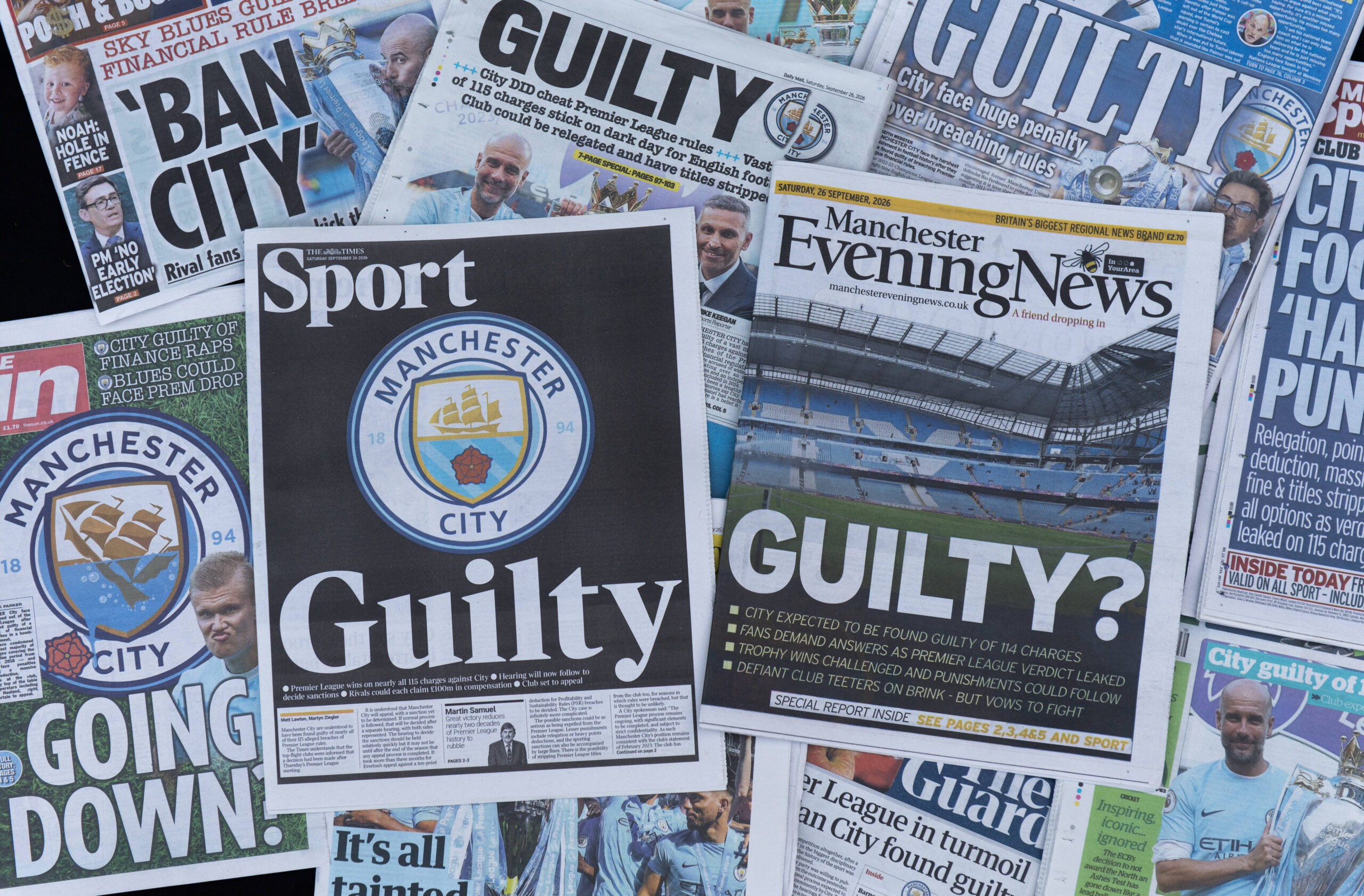
- The ruling: City were found guilty last month on most charges, with a £900 million figure cited across a nine-year period of alleged disguised payments.
- The appeal: City have appealed the Premier League ruling, and the regulator says it will not act until that process and redacted findings are resolved.
- The regulator: The body was created last year under the 2025 Football Governance Act and can remove owners, suspend licences and revoke them.
- The political angle: Prime Minister Andy Burnham has said he would be worried to lose Abu Dhabi ownership; the UAE government has reportedly warned billions in funding could be pulled.
What was said
"We have the power to ask an owner to step away from a club if we believe that they run a club in a way that is neither fit, fair or done with propriety."
"No, we've got absolute power to do so."
"There are two further elements that might come up before the appeal that we don't know."
"I am not going to get pushed into making any judgement on this until we've seen all of those questions being answered and then we will have to decide whether we're going to mount our own investigation and come to a conclusion on that and what we're going to do. And pre-empting that would be a colossal mistake."
Kogan's language is unusually blunt for a public body. He is not merely warning that sanctions exist; he is stating that ownership itself is on the table. His insistence that he has not been leaned on politically, and that he would resign immediately if that changed, is equally significant.
What matters just as much is his restraint. By refusing to pre-judge City and pointing to redacted findings and unresolved sanctions, Kogan keeps the regulator's independence intact while making clear the powers are not decorative. That combination is what makes this moment serious.
The numbers behind the case
- £900 million — value of payments the ruling said were disguised over a nine-year period.
- Most charges — City were found guilty on the majority of charges brought by the Premier League over alleged financial wrongdoing.
- 2025 — the Football Governance Act under which the regulator operates.
- Last year — when the Independent Football Regulator was created.
Why this is bigger than one club
English football has never had a regulator with this reach. The Premier League charges and punishes clubs under its own rulebook; the Independent Football Regulator sits above that, assessing whether individuals are fit to own and run clubs at all. That shifts the conversation from points deductions and fines to governance, control and long-term stewardship.
For Manchester City, the practical problem is layered. The ruling described arrangements as sham deals and said sponsorship values were artificially inflated, with money from Abu Dhabi ownership fed in through disguised payments to bypass spending controls. The appeal delays final consequences but does not erase those findings. The unredacted material could decide whether the regulator opens its own investigation.
The political dimension raises the temperature without changing the principle. Prime Minister Andy Burnham has indicated he would be worried to lose Abu Dhabi ownership from the Premier League, while the UAE government has reportedly warned that billions of pounds in funding could be pulled over the ruling. Either there is one standard of ownership, or there is not.
Talking points
- If the appeal confirms the most serious findings, does the regulator have the nerve to actually use its removal powers against a champion club?
- Should a £900 million finding delivered by the Premier League carry automatic weight with the regulator, or must it wait for the appeal to conclude?
- Can any regulator claim independence credibly when a Prime Minister and a foreign government are publicly commenting on the outcome?
- Does ownership instability damage City more than a points deduction ever could, given planning, recruitment and commercial confidence all hinge on it?
What happens next
The appeal against the Premier League findings is now the pivotal event. Until it concludes, the regulator will not decide whether to mount its own investigation into those involved. If the appeal confirms the worst findings, Kogan's body must show whether its powers are real or theoretical — making this a test case for the future of English football governance.
Frequently asked questions
Can the Independent Football Regulator force Manchester City to change owners?
Yes. Chair David Kogan said the regulator has the power to ask an owner to step away and confirmed it can do so with "absolute power" if standards are not met.
Have Manchester City been found guilty by the Premier League?
City were found guilty last month on most of the charges over alleged financial wrongdoing, but they have appealed the ruling and the appeal is still to come.
What did the ruling say about Manchester City's payments?
The ruling said the club disguised payments worth £900 million over a nine-year period, described arrangements as sham deals and said sponsorship values were artificially inflated.
Related Articles
Filed under: Latest News | LA Premier League Home