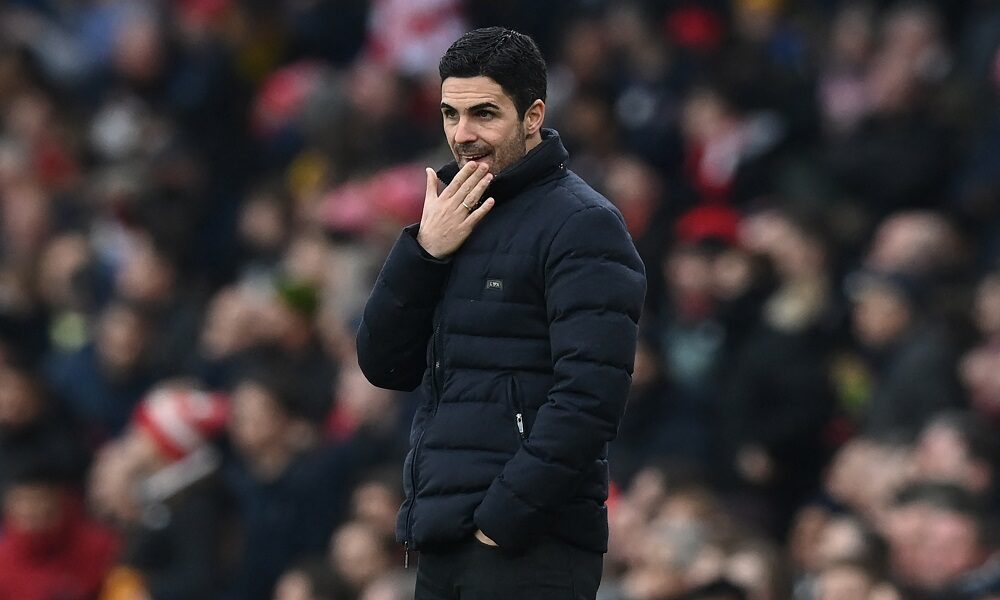
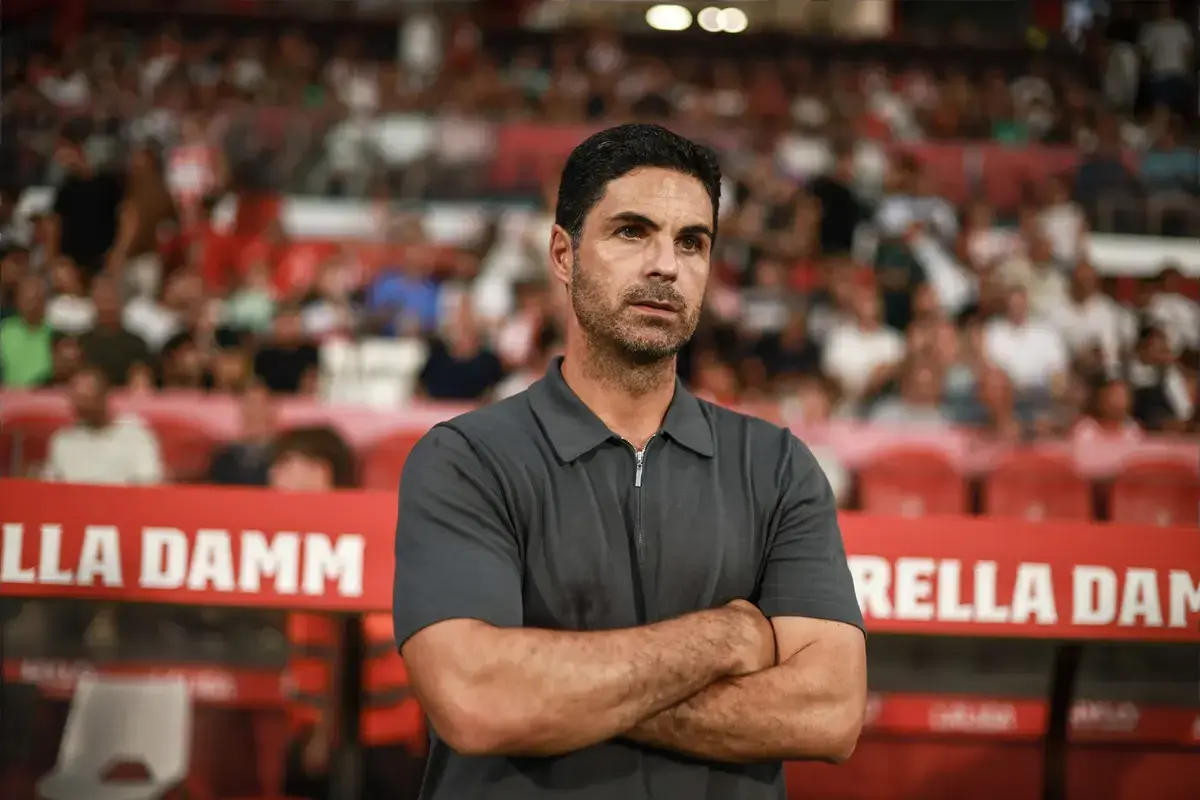
Mikel Arteta's Arsenal tenure: from 2019 appointment to 2022/23 title challenge
Arsenal appointed Mikel Arteta as head coach on 20 December 2019, replacing interim manager Freddie Ljungberg. The 37-year-old had never managed a senior side but had spent three-and-a-half years as Pep Guardiola's assistant at Manchester City. Arsenal were 10th in the Premier League, and the club took a considerable risk on a first-time manager.
- Appointment: 20 December 2019, replacing interim head coach Freddie Ljungberg
- First match: 1-1 draw at Bournemouth on Boxing Day 2019
- First trophy: 2020 FA Cup, won 2-1 against Chelsea (Aubameyang double)
- Lowest point: Bottom of the Premier League after 5-0 defeat at Manchester City in August 2021
- Best league finish: Fifth in 2021/22, two points behind Tottenham
- Title challenge: 2022/23, five straight wins to start season
The early months: culture change and an FA Cup
Arteta's first match ended in a 1-1 draw at Bournemouth on Boxing Day. His first victory followed on New Year's Day, when Arsenal defeated Manchester United 2-0 at the Emirates Stadium. From the outset, Arteta spoke about changing the club's culture. He wanted greater discipline, clearer tactical organisation and a stronger emotional connection between the players and supporters.
The early months brought gradual progress rather than an immediate surge up the table. Arsenal became more compact and difficult to play through, but the team continued to draw too many matches. The season was then suspended in March 2020 because of the COVID-19 pandemic. When football resumed behind closed doors in June, Arsenal experienced mixed results. They lost to Manchester City and Brighton before producing improved performances against stronger opponents.
The most important progress came in the FA Cup. Arsenal defeated Manchester City 2-0 in the semi-final, with Pierre-Emerick Aubameyang scoring both goals. They then recovered from falling behind against Chelsea in the final to win 2-1, again through an Aubameyang double. Arteta had delivered Arsenal's 14th FA Cup only eight months after taking charge. The achievement also secured qualification for the Europa League after the club finished eighth in the Premier League, its lowest position since 1994/95.
2019/20: Immediate improvement and an FA Cup
It was an unusual first season. Arsenal remained inconsistent in the league, but victories over Manchester City, Liverpool and Chelsea demonstrated that Arteta could prepare the team effectively for major matches. The FA Cup win provided tangible reward for the cultural and tactical changes Arteta was implementing.
August 2020: Community Shield success
Arsenal began the next campaign by defeating Premier League champions Liverpool in the Community Shield. Aubameyang gave Arsenal the lead before Takumi Minamino equalised. The match went to penalties, where Arsenal won 5-4. The victory appeared to continue the momentum established during the FA Cup run. Aubameyang subsequently signed a new contract, while Arsenal added Thomas Partey and Gabriel Magalhães to the squad. Expectations began to rise, but Arteta was about to encounter the most difficult period of his managerial career.
2020/21: Arsenal's crisis season
Arsenal made a reasonable start to 2020/21 before their form collapsed during the autumn and winter. A seven-match winless league run between November and December left the side close to the relegation places. Defeats to Aston Villa, Wolves, Tottenham, Burnley and Everton increased pressure on Arteta, while the team struggled to create chances.
The situation reached a turning point on Boxing Day. Arteta selected a younger side against Chelsea, with Bukayo Saka, Emile Smith Rowe and Gabriel Martinelli playing prominent roles. Arsenal won 3-1 and began to move away from the bottom half. Smith Rowe's introduction as a central attacking midfielder gave the team more creativity, while Saka developed into its most important attacking player. The emergence of academy graduates offered the clearest indication of the team Arteta wanted to build.
Arsenal reached the Europa League semi-finals but were eliminated by Villarreal, managed by former head coach Unai Emery. They finished eighth in the Premier League for a second consecutive season and missed out on European qualification. The absence of a trophy and European football made the campaign a significant disappointment. It also convinced Arsenal that a more extensive squad rebuild was necessary.
Summer 2021: Building around a younger core
Arsenal responded with a major recruitment programme. Ben White, Martin Ødegaard, Aaron Ramsdale, Takehiro Tomiyasu, Albert Sambi Lokonga and Nuno Tavares arrived, with the club deliberately targeting younger players capable of developing together. Arteta increasingly moved away from experienced members of the squad. Mesut Özil had already left in January 2021 following months outside the team, while David Luiz and Willian departed during the summer.
The strategy exposed Arteta to further criticism. Arsenal were spending substantial sums on players who were not widely regarded as established stars, and the manager still had to prove that his long-term project would produce league progress.
2021/22: From bottom of the table to a Champions League near miss
The season began disastrously. Arsenal lost their first three Premier League matches against Brentford, Chelsea and Manchester City without scoring, conceding nine goals in the process. The 5-0 defeat at Manchester City left Arsenal bottom of the table. Questions about Arteta's position intensified, but the club continued to support him.
Results improved after the international break. Ramsdale established himself in goal, White formed a partnership with Gabriel and Ødegaard became increasingly influential. Arsenal's younger core gave the team a clearer identity. Another defining moment arrived in December when Aubameyang was removed as captain following a disciplinary breach. He did not play for Arsenal again and joined Barcelona in February 2022. Arteta's handling of the situation demonstrated that his cultural standards took priority over the status of individual players. It also left Arsenal without a recognised leading striker for the remainder of the campaign.
The team moved into a strong position to finish fourth but lost crucial matches against Tottenham and Newcastle in May. Arsenal eventually finished fifth, two points behind Tottenham, and qualified for the Europa League. Missing the Champions League was painful, particularly after Arsenal had controlled their own destiny. Even so, fifth place represented clear league improvement and provided evidence that the younger squad was developing.
Summer 2022: Gabriel Jesus and Oleksandr Zinchenko arrive
Arsenal signed Gabriel Jesus and Oleksandr Zinchenko from Manchester City, adding two players who understood the positional and tactical demands Arteta wanted to introduce. Fábio Vieira, Matt Turner and Marquinhos also arrived, while William Saliba returned following his successful loan spells in France. Saliba's integration proved especially important, giving Arsenal the pace and composure required to defend higher up the pitch. Ødegaard became club captain, completing the transition towards a younger leadership group.
The additions changed Arsenal's expectations. Jesus improved the team's movement and pressing, while Zinchenko moved into midfield from left-back when Arsenal had possession. This gave Arteta greater control of central areas and allowed the side to build attacks more effectively.
2022/23: An unexpected title challenge
Arsenal began the season with five consecutive league victories and quickly emerged as Manchester City's main title rival. The team's attacking football, young core and improved atmosphere transformed the mood around the club. Saka, Martinelli and Ødegaard produced standout performances as Arsenal sustained a challenge at the top of the table.
Analysis: How Arteta rebuilt Arsenal around youth and discipline
Mikel Arteta's Arsenal project has been defined by a ruthless commitment to cultural standards and a systematic shift towards a younger squad. The decisive moment came in December 2020 when he selected Bukayo Saka, Emile Smith Rowe and Gabriel Martinelli against Chelsea, signalling a break from the experienced core. That 3-1 win not only lifted Arsenal away from the relegation zone but also established the template for the future.
The summer 2021 recruitment of Ben White, Martin Ødegaard, Aaron Ramsdale, Takehiro Tomiyasu, Albert Sambi Lokonga and Nuno Tavares was criticised at the time for spending on untested names. Yet it provided the foundation for the 2021/22 improvement, with Ramsdale and White forming a solid defensive unit and Ødegaard becoming the creative hub. The removal of Pierre-Emerick Aubameyang as captain in December 2021, following a disciplinary breach, underlined that no player was bigger than Arteta's standards, even at the cost of losing a leading striker.
The 2022 additions of Gabriel Jesus and Oleksandr Zinchenko from Manchester City brought tactical understanding and versatility. Jesus improved pressing and movement, while Zinchenko's inversion from left-back allowed Arsenal to control central areas. With William Saliba returning to add pace and composure in defence, and Ødegaard appointed captain, Arsenal had a clear identity. The five straight wins at the start of 2022/23 and the emergence as Manchester City's main title rival were the product of these calculated decisions, not a quick fix.
Talking points
- Was Arteta lucky to survive the 2020/21 crisis? The seven-match winless run and eighth-place finish would have cost many managers their job, but the FA Cup and the emergence of Saka, Smith Rowe and Martinelli bought him time.
- The decision to remove Aubameyang as captain was the making of Arteta's Arsenal. It showed that discipline trumped star status, but it also left the team without a recognised striker for the rest of the season – a gamble that nearly cost a top-four place.
- Arsenal's summer 2021 spending on potential rather than proven stars was heavily criticised, yet it laid the groundwork for the 2022/23 title challenge. The club's patience with Arteta's project is now vindicated.
- Missing out on the Champions League in 2021/22, despite controlling their own destiny, highlighted a mental fragility. The 2022/23 title challenge suggests that lesson has been learned.
What happens next
Arsenal's 2022/23 campaign continues with Arteta's side having established themselves as Manchester City's closest challengers. The next fixture will test whether the young squad can sustain a title challenge, with every match now carrying heightened significance. The club's recruitment strategy and Arteta's cultural revolution have set expectations high; the coming months will reveal whether this Arsenal can convert progress into silverware.
Frequently asked questions
When did Mikel Arteta become Arsenal manager?
Mikel Arteta was appointed Arsenal head coach on 20 December 2019, replacing interim manager Freddie Ljungberg.
What was Mikel Arteta's first trophy with Arsenal?
Arteta won the FA Cup in August 2020, with Arsenal beating Chelsea 2-1 in the final thanks to a Pierre-Emerick Aubameyang double.
How many points did Arsenal finish behind Tottenham in 2021/22?
Arsenal finished fifth in the 2021/22 Premier League, two points behind Tottenham Hotspur, and qualified for the Europa League.
Related Articles
Filed under: Manager News | LA Premier League Home