Fitz Hall's "One Size" tops the Premier League's funniest nicknames
Football nicknames often reveal more about the culture of the game than official player profiles ever could. Some celebrate ability, others reflect appearance or personality, and a few exist simply because someone noticed an irresistible pun. The Premier League has produced plenty of intimidating titles, but its funniest nicknames are usually the affectionate ones that followed players throughout their careers.
From “One Size” Fitz Hall to “The Non-Flying Dutchman”, these are some of the most memorable.
- Defining nickname: Fitz Hall – “One Size”
- Most clever: Dennis Bergkamp – “The Non-Flying Dutchman”
- Best stamina gag: Park Ji-sung – “Three-Lung Park”
- Most physical: Papa Bouba Diop – “The Wardrobe”
- Internet age icon: Nicklas Bendtner – “Lord Bendtner”
- Honourable mentions: Harry Maguire “Slabhead”, Darren Anderton “Sicknote”, Ray Parlour “The Romford Pelé”, Jason McAteer “Trigger”, David James “Calamity James”, Javier Hernández “Chicharito”
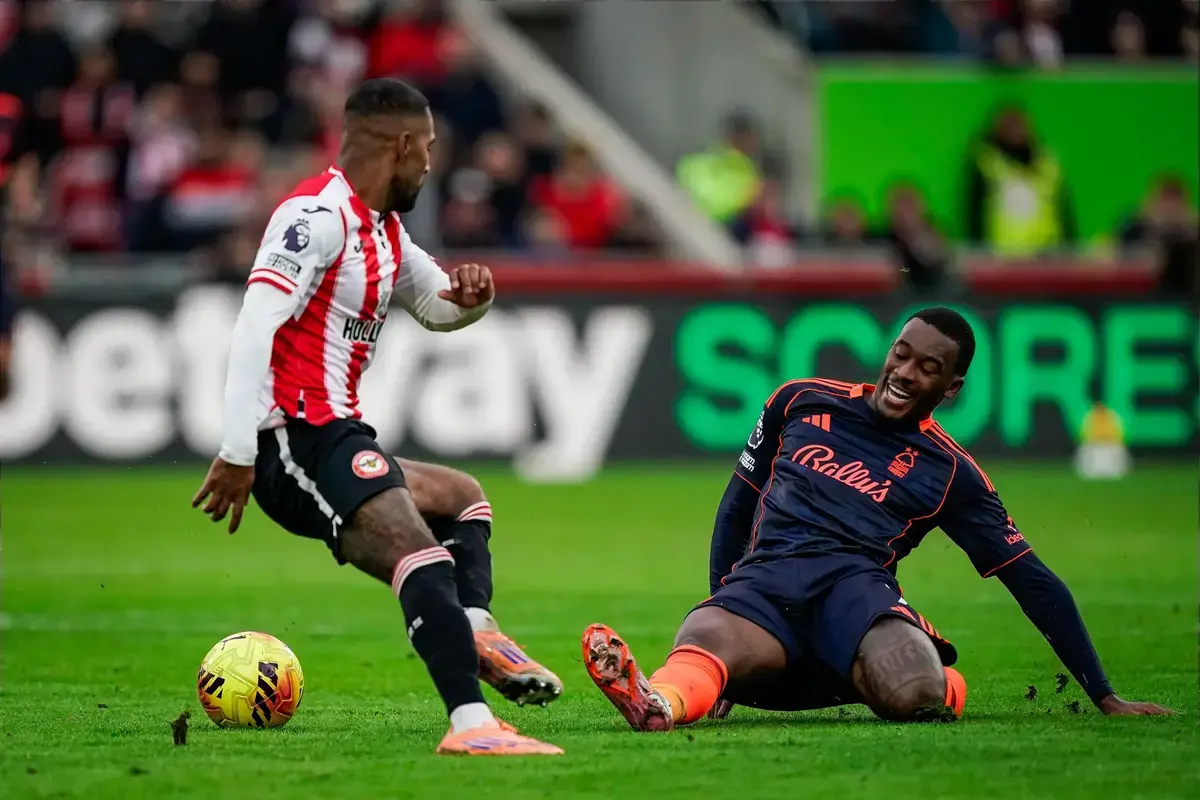
Fitz Hall: “One Size”
Few football nicknames work as perfectly as “One Size” Fitz Hall. The joke transforms the defender’s name into the familiar phrase “one size fits all.” It is simple, immediate and impossible to forget.
Hall represented several Premier League clubs, including Southampton, Crystal Palace, Wigan Athletic, Queens Park Rangers and Watford. Yet his nickname probably remains more recognisable than any individual performance from his top-flight career.
That is the mark of a truly successful football nickname. It does not require an elaborate origin story or knowledge of a dressing-room incident. The player’s name provides the entire joke.
Dennis Bergkamp: “The Non-Flying Dutchman”
Dennis Bergkamp was commonly described as “The Non-Flying Dutchman.” The nickname played on the famous legend of the Flying Dutchman while referring to Bergkamp’s well-known fear of flying. The Arsenal forward frequently travelled over land when possible and sometimes missed European fixtures when the journey could not be completed practically without an aircraft.
It was an amusing contrast with his playing style. Bergkamp appeared almost weightless on the pitch, gliding between defenders and controlling difficult passes with extraordinary ease. Away from football, however, he preferred to keep both feet firmly on the ground.
The nickname was clever, accurate and connected directly to one of the most unusual logistical challenges faced by an elite footballer.
Park Ji-sung: “Three-Lung Park”
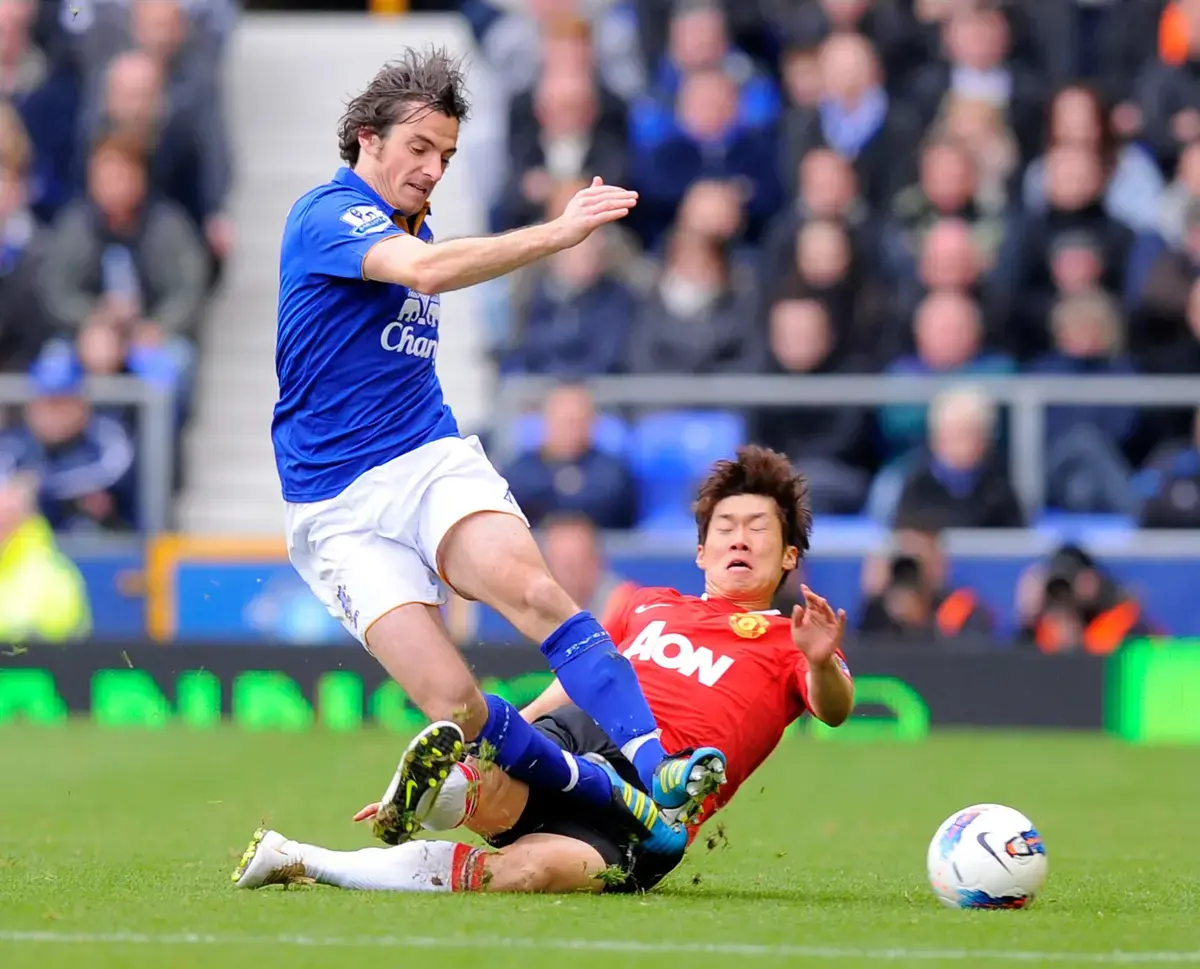
Park Ji-sung’s relentless energy earned him the nickname “Three-Lung Park.” The Manchester United midfielder seemed capable of running indefinitely. Sir Alex Ferguson regularly selected him for tactically demanding matches in which he was expected to press, track and restrict an important opponent.
Calling him “Three-Lung Park” was a humorous way of explaining an apparently endless supply of stamina. The nickname also captured why Park was valued so highly. He was not always selected to score or create goals. His task was often to make the match uncomfortable for the opposition’s most influential player.
While everyone else appeared to tire, Park continued moving.
Papa Bouba Diop: “The Wardrobe”
Papa Bouba Diop was known as “The Wardrobe.” The nickname referred to the Senegalese midfielder’s imposing build. At approximately 6ft 5in, Diop combined height with considerable physical strength and occupied an enormous amount of space in midfield.
He represented Fulham, Portsmouth, West Ham United and Birmingham City during his time in English football.
“The Wardrobe” was hardly subtle, but that was part of its charm. Diop looked difficult to move, blocked routes through midfield and provided the kind of physical presence that opposing players could not ignore. It described both his appearance and his playing style in two words.
Harry Maguire: “Slabhead”
Jamie Vardy helped turn “Slabhead” into Harry Maguire’s defining nickname. The joke referred to the defender’s large head and aerial ability. It became especially prominent during the 2018 World Cup, when Vardy interrupted an interview after Maguire scored against Sweden and jokingly asked about the diameter of his head.
When Maguire later left Leicester City for Manchester United, Vardy publicly wished “Slabhead” well.
Maguire has generally embraced the nickname, which has helped it remain playful rather than purely insulting. It is particularly effective because heading has been one of his major strengths throughout his career.
Darren Anderton: “Sicknote”
Darren Anderton was labelled “Sicknote” because of his reputation for suffering repeated injuries. The Tottenham Hotspur midfielder possessed considerable ability and won 30 England caps, but fitness problems became a major part of the public discussion surrounding his career.
The nickname referenced the document an employee might provide when unable to work through illness. It was memorable, but also unfairly reduced a talented player to his injury record. Anderton later played regularly enough to argue that the reputation had become exaggerated. However, once a nickname enters football culture, statistical evidence is rarely enough to remove it.
“Sicknote” remains one of the Premier League’s best-known and most brutally direct nicknames.
Ray Parlour: “The Romford Pelé”
Ray Parlour being called “The Romford Pelé” is a brilliant example of affectionate exaggeration. Parlour came from Romford and spent most of his career with Arsenal. He was a hardworking midfielder rather than a player normally compared with the Brazilian figure widely regarded as one of football’s greatest.
That contrast created the joke. However, the nickname was never entirely dismissive. Parlour was an important member of several successful Arsenal teams and produced significant moments, including a memorable goal in the 2002 FA Cup final.
He may not have been Pelé, but he was certainly more accomplished than the joke initially suggested.
Jason McAteer: “Trigger”
Jason McAteer was nicknamed “Trigger” after the character from the British sitcom Only Fools and Horses. Trigger was known for being kind-hearted but not always especially quick to understand what was happening around him. McAteer acquired the comparison through dressing-room stories about moments of confusion and unintended comedy.
One widely repeated tale involved McAteer being asked whether he wanted his pizza cut into four or eight slices. He supposedly chose four because he was not hungry enough to eat eight.
The story may have been polished through years of retelling, but it illustrates why the nickname endured. Football dressing rooms can be unforgiving environments. One funny remark can follow a player for the rest of his career.
David James: “Calamity James”
David James became known as “Calamity James” during the early part of his Premier League career. The nickname was a play on Calamity Jane and referred to the goalkeeper’s occasional mistakes during a period with Liverpool.
James possessed excellent athleticism and later became one of the Premier League’s most experienced goalkeepers. He kept a huge number of clean sheets and represented England at major tournaments.
However, goalkeeping errors are difficult to escape. An outfield player can misplace several passes without attracting lasting attention, while one mistake from a goalkeeper can decide a match and become part of a highlight reel. The nickname was harsh, but its wordplay made it almost impossible to dislodge.
Nicklas Bendtner: “Lord Bendtner”
“Lord Bendtner” began as an internet joke and developed into one of football’s most persistent nicknames. Nicklas Bendtner was a confident player who spoke openly about his ambition and belief in his ability. Supporters responded by creating an exaggerated online character who was treated as though he were the greatest footballer alive.
The title “Lord” captured that mock grandeur. The joke became even more memorable in 2015 when Bendtner purchased property in Scotland that came with a traditional title, allowing him to call himself a lord in a loose novelty sense.
Few players have had the boundary between ironic nickname and personal brand become so blurred.
Javier Hernández: “Chicharito”
Javier Hernández is known almost universally as “Chicharito”, meaning “Little Pea” in Spanish. His father, Javier Hernández Gutiérrez, was nicknamed “Chícharo”, meaning “Pea”, reportedly because of his green eyes. The younger Hernández therefore became “Little Pea”.
The art of the nickname
Nicknames rarely survive on cleverness alone. The best ones, like “One Size” and “The Non-Flying Dutchman”, provide an instant hit of recognition. Others, such as “Three-Lung Park” or “The Wardrobe”, describe something observable on the pitch. And the most brutal, like “Sicknote”, tap into the sport's harsh sense of humour.
What unites them is their staying power. A player may move through several clubs, but a nickname can stick for decades. Fitz Hall's name will always be preceded by “One Size”. Harry Maguire will always be “Slabhead” to a generation of fans. Nicklas Bendtner will forever be “Lord Bendtner”.
Football culture thrives on these affectionate, often impromptu, labels because they come from teammates, opponents and supporters — not media officers. They capture a personality more vividly than any official profile.
Talking points
- Is “One Size” Fitz Hall the perfect nickname, or does the fact it wasn't even invented by him diminish the credit?
- Would modern social media amplify or kill “Lord Bendtner”? The irony might just become an official brand.
- “Sicknote” is brutally unfair on a 30-cap England international – should fans retire it out of respect?
- Which current Premier League player is most deserving of a truly great nickname right now?
What happens next
Nicknames will keep emerging, often from dressing-room banter or viral moments. The next iconic one could follow a player for life. As football culture evolves, fans will continue to immortalise the game's quirkiest characters with affectionate and unforgettable monikers.
Frequently asked questions
Why was Fitz Hall called “One Size”?
His full name is Fitz Hall, which sounds like “fits all” — forming the familiar phrase “one size fits all.”
Which clubs did Papa Bouba Diop play for in England?
He represented Fulham, Portsmouth, West Ham United and Birmingham City.
What does “Chicharito” mean and where does it come from?
It means “Little Pea” in Spanish. His father was nicknamed “Chícharo” (Pea), reportedly due to his green eyes, so Javier Hernández became “Chicharito.”
Related Articles
Filed under: Opinion | LA Premier League Home