Player availability is a key variable in Premier League predictions, but absences must be judged by role, replacement quality and tactical impact.
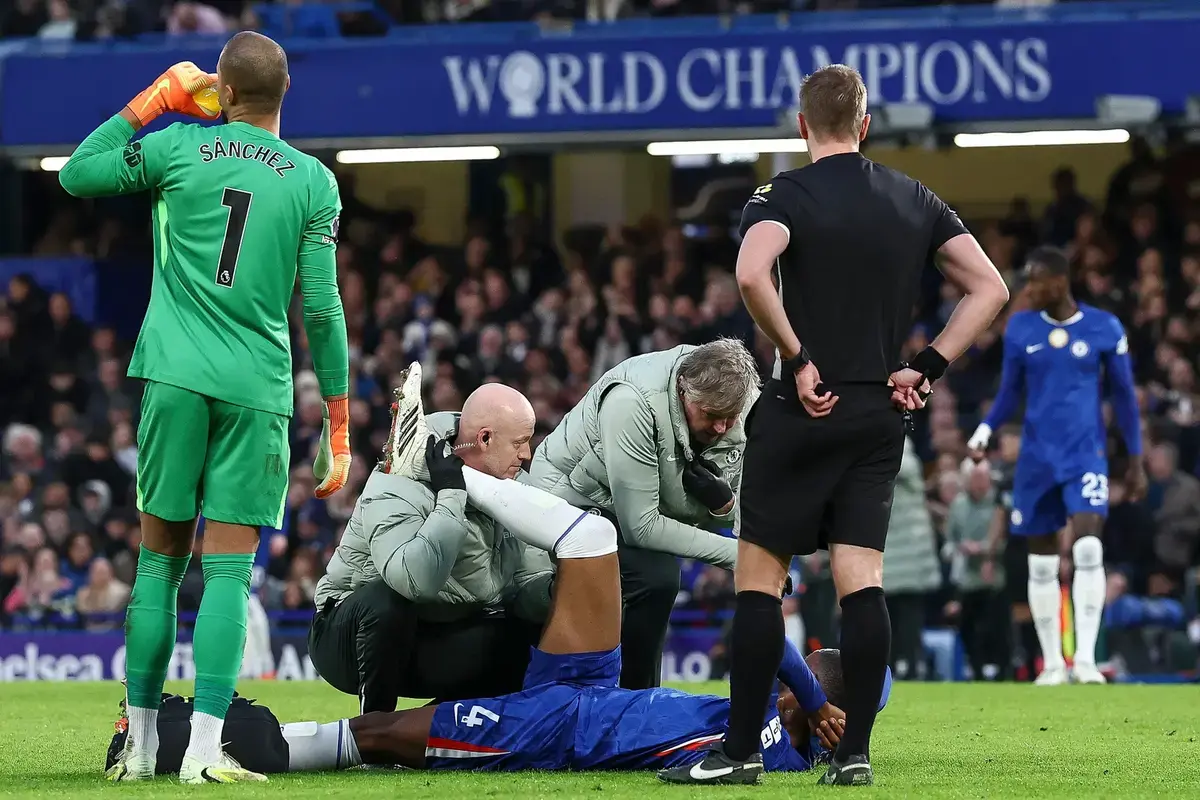
Injuries and suspensions can change the expected strength of a Premier League XI before kick-off. The key question is not how many players are missing, but who is missing, what they do, and how well the side can replace them.
- Competition: Premier League
- Main variable: Player availability – injuries and suspensions
- Key metric: Expected goals (xG) and its limitations for individual absences
- Critical factors: Tactical role, replacement quality, squad depth and clustered absences
- Decision point: Confirmed team news before changing a prediction
Why player absences can change a match prediction
A prediction is an estimate of how strong two teams will be when they take the pitch. If the expected lineup changes, those assumptions may need to change. A major attacking absence can reduce finishing threat, movement in the penalty area and the ability to turn possession into clear chances. Losing a creative midfielder can alter chance creation and progression through the middle. A missing centre-back may affect aerial strength, defensive organisation or the confidence to hold a high line.
These changes can affect the number and quality of chances a team creates or concedes. Expected goals, or xG, assigns a scoring probability to each shot based on its characteristics. Absences may therefore influence the xG a team generates, but standard shot-based xG does not automatically account for a missing player's individual finishing ability.
None of this means one missing starter makes defeat likely by itself. The effect depends on the player's function, the opponent and the quality of the replacement.
Not every missing player has the same impact
Two teams can each have three unavailable players and face completely different levels of disruption. Counting names is less useful than assessing how much each absence changes the team's normal structure. Reputation is only part of the picture. A player can be tactically important without being the team's most famous name.
A striker may stretch the defence, occupy centre-backs and provide a focal point even when not scoring. A creative midfielder may be the main route into the final third. A defensive midfielder can protect central spaces and allow more attacking teammates to take risks. A centre-back may organise the line or start build-up play, while a goalkeeper can influence both shot stopping and distribution. The key question is not simply how good the missing player is. It is what stops working, or has to work differently, when this player is unavailable.
Replacement quality and squad depth
The likely replacement matters almost as much as the starter who is missing. Deep squads can absorb some absences with little change in role or system. Thinner squads may need to move a player out of position, alter the formation or give significant minutes to someone with less Premier League experience.
That can produce second-order effects. Moving a midfielder to full-back, for example, does not only change the defence; it also removes an option from midfield. A team with limited alternatives may press less aggressively, protect a weaker area with an extra player or attack more cautiously. This is why predicted Premier League lineups are useful before kick-off. They help show whether a team can replace like for like or whether an absence is likely to reshape several roles.
How team news changes predictions and betting markets
Pre-match analysis often begins before the final starting XI is known. At that stage, analysts are working with injury reports, suspension information, training updates and likely selections. Confirmed Premier League team news can then strengthen or weaken the original view of the fixture.
Once confirmed team news changes the expected strength or tactical setup of a side, those adjustments may influence both match predictions and the prices available across Premier League betting markets. The important point is comparison, not assumption: widely reported injuries or suspensions may already be reflected in football betting odds before lineups are confirmed. A sensible prediction therefore asks whether new information genuinely changes the expected match pattern rather than treating every absence as a reason to reverse an earlier view.
How absences can change a team tactically
The biggest effect of an injury is sometimes not the individual quality lost but the chain reaction it creates. Without a natural defensive midfielder, another player may have to sit deeper. That can leave fewer runners ahead of the ball and reduce the team's ability to press after losing possession. If an attacking full-back is unavailable, the replacement may provide less width, forcing the winger to stay wider and reducing their involvement closer to goal.
Absences can also affect the defensive line, build-up structure, pressing intensity, counter-attacking plan and set-piece responsibilities. A coach may switch from a back four to a back five, use a more direct route out of defence or lower the press to protect an inexperienced defender.
Several missing players from the same unit can be more disruptive than the same number spread across the team. Two centre-backs out together may break an established partnership. Several midfield absences can remove both ball progression and defensive cover. Multiple forward injuries can leave a coach with fewer ways to change a match from the bench. Squad depth therefore needs to be judged by role, not simply by the number of senior players available.
Injuries vs suspensions: why the difference matters
Suspensions and injuries create different types of uncertainty for Premier League match predictions. First confirm that the suspension applies to the fixture being assessed. Premier League yellow-card accumulation bans are served in that competition, while red-card bans can carry across domestic league and cup competitions. Once the player's absence is confirmed, the central question is usually how the team replaces them.
Injuries can remain less clear. A player may be ruled out, described as doubtful, back in team training, available only from the bench or technically fit without being ready for a full match. Those distinctions matter. Returning to training is not the same as being ready to start, and being named among the substitutes does not mean a player can immediately reproduce their normal level for 90 minutes.
This is also where late team news becomes valuable. Predicted Premier League lineups are useful for forming an initial view, but the confirmed XI tells you whether a doubtful player starts and which replacement has actually been chosen. It may suggest a formation change, although the exact shape and player roles can remain uncertain until the match begins. For close calls, it can make sense to reassess the prediction once the official lineup is available rather than treating an earlier expected XI as fixed.
A practical checklist before changing a Premier League prediction
Before changing a prediction because of an injury or suspension, work through a short process:
- Confirm the player's status. Use official club updates, manager press conferences and competition disciplinary information to separate definite absences from rumours, fitness tests and players merely listed as doubtful.
- Assess the player's real importance. Focus on tactical role, minutes, responsibilities and contribution rather than reputation alone.
- Identify the likely replacement. Compare the replacement's quality, experience and suitability for the same role.
- Check for a tactical change. Look for signs that the formation, press, defensive line, width or build-up plan may change.
- Look for clustered absences. Several missing players in defence, midfield or attack can compound the effect.
- Put recent form in lineup context. Strong results ac
Why role, not reputation, should drive your prediction
Too many pundits count names instead of assessing roles. A team missing three squad players may be far less disrupted than a side missing one holding midfielder who screens the defence. Expected goals data helps, but it cannot capture the individual finishing ability of the absent player. Analysts must manually adjust for that loss.
Tactical chain reactions are the most underrated factor. A reserve full-back coming in might not only weaken defence; it could force a winger to track back more, reducing attacking output. Similarly, a missing defensive midfielder can push a creative player deeper, blunting the attack.
Betting markets often already price in widely reported absences. The edge comes from correctly interpreting late team news, especially when a doubtful player is declared fit or a surprise replacement is chosen. That is when predictions should shift.
Talking points
- Should predictions be changed the moment an injury is confirmed, or only when the replacement is known?
- Is a suspension more predictable than an injury because the return date is fixed, making planning easier?
- Does xG need a manual adjustment for missing players, or is it already reflected in team-level data?
- Are clustered absences in one position more damaging than the same number spread across the squad?
What happens next
The next round of Premier League fixtures will test how quickly analysts adapt to confirmed team news. Predicted lineups will be published, but the real value comes after the official XIs drop. Expect late fitness tests and suspension checks to shape forecasts right up to kick-off.
Frequently asked questions
Does a long injury list automatically make a team a poor pick?
No. The impact depends on who is missing, what that player does, and how well the side can replace them. Counting names alone is not enough.
How does xG account for a missing striker?
Standard shot-based xG assigns a scoring probability to each shot based on its characteristics. It does not automatically adjust for a missing player's individual finishing ability.
When should I change my Premier League prediction after team news?
Reassess when confirmed team news changes the expected strength or tactical setup. For close calls, wait until the official lineup is available rather than treating an earlier expected XI as fixed.
Related Articles
Filed under: Tactical Analysis | LA Premier League Home