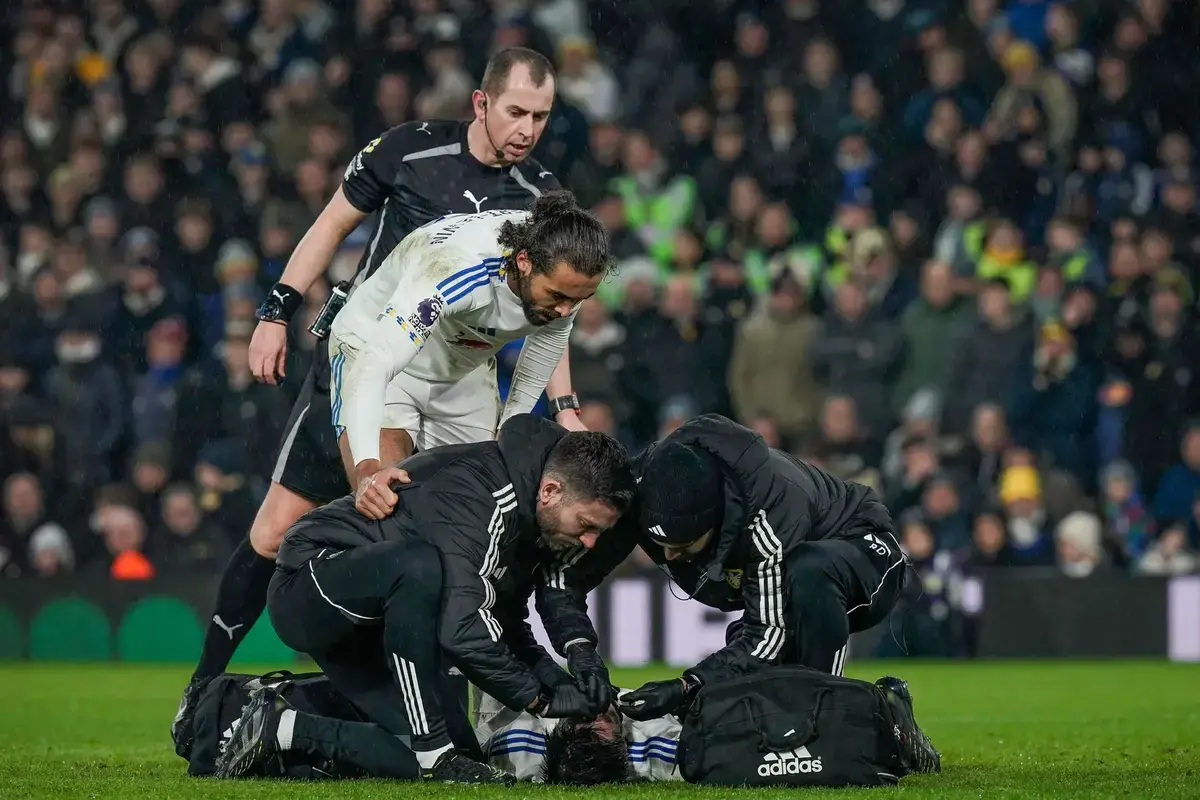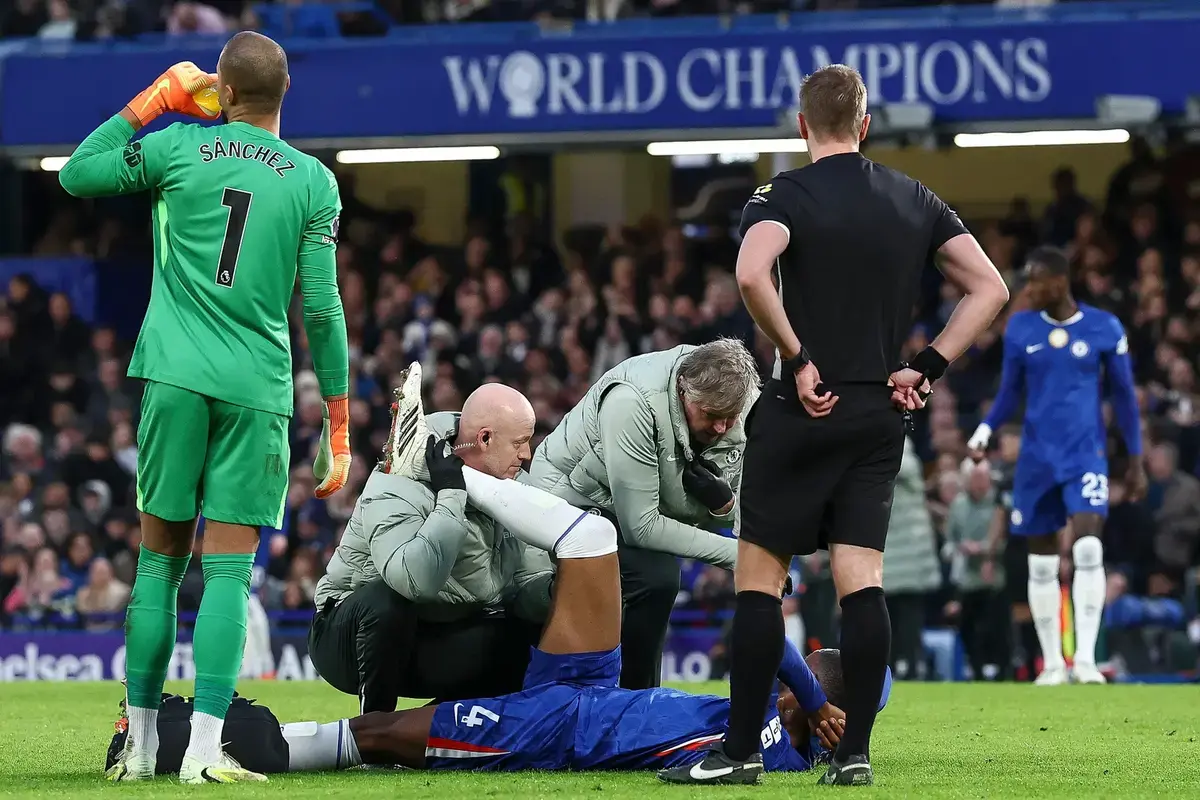
Physicality remains pivotal in modern Premier League football despite the shift to analysis-led tactics
The Premier League has become increasingly technical and analytical, but physicality remains a major part of the game. Each position demands a different blend of strength, acceleration, balance and physical resilience. This analysis explores how defensive duels, pressing and aerial battles have evolved — and why force still decides matches.
- Theme: Physicality still matters in the modern Premier League despite growing tactical and analytical sophistication
- Core demand: Each position requires a different combination of strength, acceleration, balance and physical resilience
- Historical benchmark: The back-pass rule was introduced in 1992, forcing teams to press higher up the pitch
- Tactical shift: Teams dropped back to mid-blocks in the late 2010s
- Modern pressing aim: Force long balls and eliminate the free man through aggressive, organised pressure
- Cross-sport comparison: Rugby union has also moved toward strategy and opponent analysis while retaining strength, speed, stamina and power demands
Defensive duels: from brute force to positioning — but strength still tells
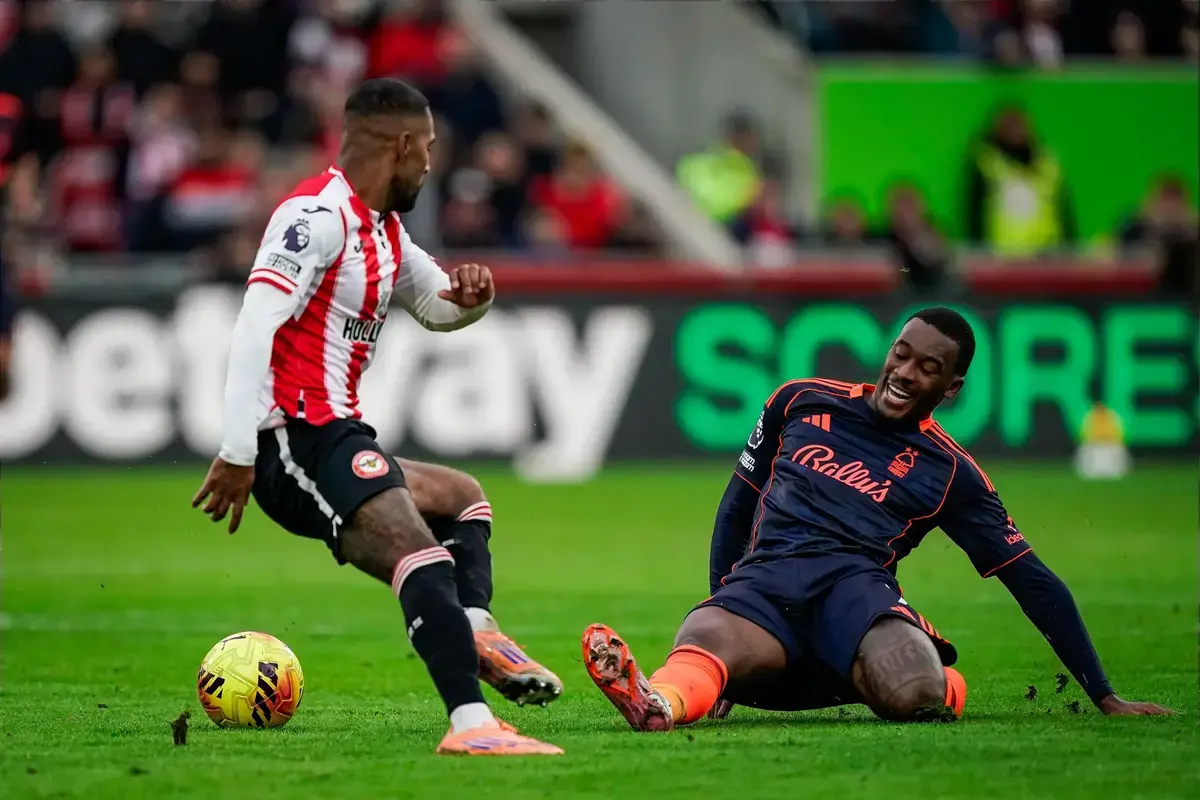
In the early-to-mid 1900s, defenders targeted one individual attacker throughout the game, focusing on taking them down with brute force. That approach progressed into players defending space and zones as a unit, rather than solitary one-on-one defence.
Fast forward to now, and defenders no longer work in isolation. They rely more on positioning, tactical intelligence and data analytics than on old-fashioned might. Yet defenders must still display physical strength — firm and physical enough to intimidate opponents and make them feel less dominant on the pitch.
Pressing: organised chaos demanding explosive force
Pressing has been around for decades, but it started out as a chaotic, improvised tactic. By the mid-20th century it became a more organised team effort. When the back-pass rule was introduced in 1992, teams were forced to press higher up the pitch, before dropping back to mid-blocks in the late 2010s.
Nowadays, pressing is more aggressive and aims to force long balls and eliminate the free man. Although highly methodical and organised, it requires stamina and explosive force to close in on an opponent within a tight window.
Aerial battles: precision plus core power
Like defensive duels and pressing, aerial battles have transformed from incredibly physical encounters into more analytical and precise plays. Traditionally, the focus was individual height, leap and power. In modern-day football, it is more about body positioning and space creation to bypass aggressive passing systems.
Again, despite the tactical expertise required nowadays, players still need immense core, upper-body and lower-body strength to leap high into the air, and exceptional neck stability and sturdiness to head the ball with plenty of power.
Physicality remains pivotal in other sports too
It is not just football that has moved from force to tactical ability in a lot of areas. If you watch rugby on TV today, for example, you will notice the players mapping out their strategy and analysing opponents. But exceptional strength, speed, stamina and power are still required to make the most of these well-thought-out tactics.
Why the tactical era has not killed raw physicality in the Premier League
The modern Premier League is often framed as a chess match: data-led pressing triggers, zonal marking, inverted full-backs and space creation. That framing is accurate, but incomplete. The source material is clear that defenders still need strength to intimidate, pressers still need explosive force to close tight windows, and aerial competitors still need core and neck stability to head with power.
What has changed is where physicality is applied. In the early-to-mid 1900s, defenders channelled brute force into man-marking one attacker. By the late 2010s, teams retreated into mid-blocks and defended zones. Today, the physical demand is distributed: a defender uses strength within a zonal structure, a presser uses stamina within a coordinated trap, and an aerial specialist uses body positioning to win the ball before applying power.
That is why the back-pass rule of 1992 matters in this debate. By removing the easy out-ball to the goalkeeper, it pushed teams to press higher and made physical capacity a tactical requirement rather than an individual trait. The late-2010s mid-block was a response, not a reversal. Now pressing is “more aggressive and aims to force long balls and eliminate the free man” — a phrase that describes a tactical objective, but only works if players can physically execute it within a tight window.
The cross-sport comparison with rugby reinforces the point. Rugby has embraced strategy and opponent analysis, yet still demands “exceptional strength, speed, stamina and power”. Football’s evolution follows the same pattern: more thought, same body. The Premier League’s most technical sides still recruit for acceleration, balance and resilience because those qualities decide whether a system functions.
Talking points
- If defenders now rely on positioning and data over brute force, does the old-school intimidator still have a place in a top Premier League back line?
- The back-pass rule forced higher pressing in 1992, but mid-blocks returned in the late 2010s — is pressing now more about forcing long balls than winning the ball high?
- Aerial battles are described as more about body positioning than height and leap. Does that mean smaller, smarter players can now dominate in the air?
- Rugby is cited as proof that tactical sport still needs strength and power. Does that analogy hold for football, or are the physical demands simply different?
What happens next
The source raises the question of whether football will get less physical over time. The answer will be visible in how Premier League clubs recruit and set up: whether they prioritise acceleration, balance and resilience alongside tactical intelligence, or lean further into analysis-led positioning. The next tactical cycle — pressing structures, mid-block variations and aerial routines — will show whether physicality remains a selection criterion or becomes a specialist trait.
Frequently asked questions
Does physicality still matter in the modern Premier League?
Yes. The source states that the Premier League has become increasingly technical and analytical, but that does not take away from physicality remaining a major part of the game.
How did the back-pass rule change pressing?
When the back-pass rule was introduced in 1992, teams were forced to press higher up the pitch, before dropping back to mid-blocks in the late 2010s.
What physical qualities do players still need for aerial battles?
Players still need immense core, upper-body and lower-body strength to leap high into the air, and exceptional neck stability and sturdiness to head the ball with plenty of power.
Related Articles
Filed under: Tactical Analysis | LA Premier League Home