Andy Burnham backs fresh review of football's 1985 drinking ban
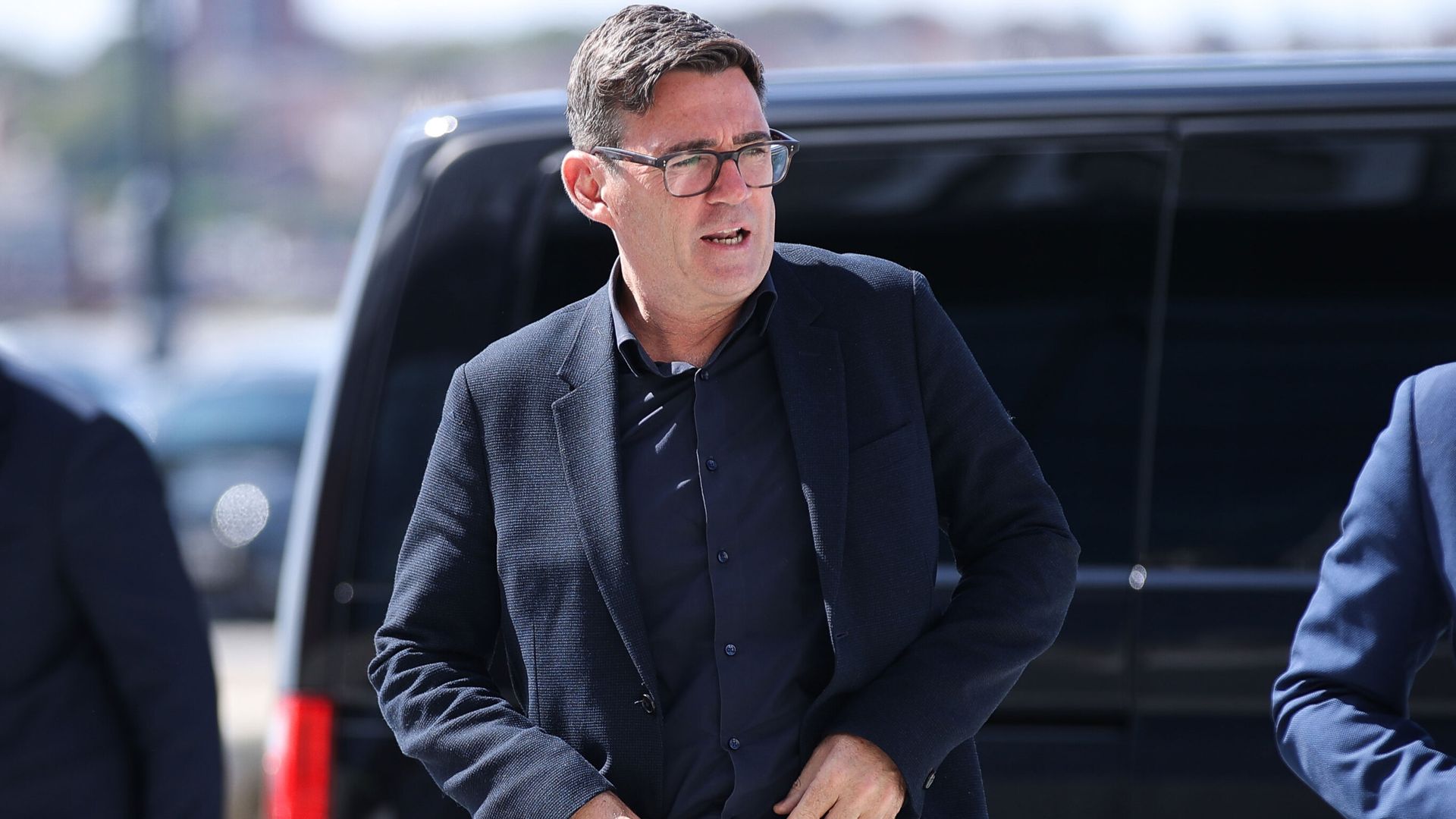
Andy Burnham has backed a fresh look at football's drinking ban, saying it is unfair for football fans to be singled out compared with other sports. The Prime Minister has supported reconsideration of the rules, raising the possibility of a trial rather than an immediate nationwide change.
- Who: Andy Burnham, the Prime Minister, the Football Supporters' Association, the EFL, Premier League chief executive Richard Masters and the UK Football Policing Unit.
- What: A review of the ban on drinking within sight of the pitch, introduced under the Sporting Events (Control of Alcohol etc.) Act 1985.
- Possible route: Burnham said change "could happen on a trial basis" rather than as immediate nationwide reform.
- Commercial figure: The EFL estimated the restrictions cost clubs around £2 per spectator per match, or £184,000 a season for an average League Two club.
- Opposition: The UK Football Policing Unit warned that changing the rules without proper consultation would be "incredibly rash".
- Status: No implementation timetable has been set out.
What was said
"I don't think it's fair for football fans to be singled out in that way and I made that point."
"There are different ways it could be done – it could happen on a trial basis."
Burnham's wording is carefully calibrated. He supports scrutiny of the ban, not its immediate abolition. By floating a trial he has given the debate political momentum without committing anyone to a date or a nationwide change.
The Prime Minister's backing for reconsideration carries the same caveat. Support for a review is not the same as support for pints in seats at every ground next season, and no timetable has been published.
The numbers
- £2 per spectator per match — the EFL's estimate of what the restrictions cost clubs, submitted as evidence to the government's Fan-Led Review.
- £184,000 — the estimated seasonal figure for an average League Two club.
- 1985 — the year the Sporting Events (Control of Alcohol etc.) Act was introduced.
Those figures describe a potential opportunity rather than guaranteed additional profit. Any extra sales would have to be weighed against increased spending on staffing, stewarding and policing.
Why the policing objection is the real hurdle
The UK Football Policing Unit holds the strongest card. Its warning that reform without proper consultation would be "incredibly rash" reflects a concern that alcohol already contributes to some violent and disorderly behaviour. That is not an argument that can be waved away by comparisons with rugby league or concerts.
The Football Supporters' Association has framed the case as one of inconsistency. Its chairman, Tom Greatrex, pointed to spectators being allowed to drink in the same seat at a concert or rugby league match. It is an easy argument to grasp; the harder question is whether different events present sufficiently different risks to justify different rules.
Answering that requires evidence about present behaviour alongside an understanding of why the legislation was introduced. A properly assessed trial could establish whether reform changes behaviour, improves the matchday experience or creates new problems — and whether the commercial benefits survive the practical costs.
Premier League chief executive Richard Masters has also stopped short of endorsing immediate reform. His comments suggest a willingness to discuss the issue while recognising that any decision would need careful consideration. Clubs operating with limited resources have an obvious incentive to revisit the ban, but they too will want the safety question answered first.
Talking points
- Is it genuinely unfair that football supporters cannot drink in their seats when rugby league and concert fans can, or do football crowds present a different risk altogether?
- Would a trial actually settle the argument, or would clubs simply bank the extra revenue and resist any evidence that behaviour worsens?
- The £184,000 estimate for an average League Two club sounds significant — but does it survive the added stewarding and policing costs?
- Should the UK Football Policing Unit have a veto over reform, or is its "incredibly rash" warning a reason to consult more carefully rather than to do nothing?
What happens next
No implementation timetable has been set out, so the immediate next step is political rather than practical: whether the government moves from supporting reconsideration to commissioning a proper assessment. The policing objection and the EFL's £2-per-spectator evidence will frame that work. Until a trial is designed and assessed, the concourse-versus-seat dividing line remains exactly where it was in 1985.
Frequently asked questions
Is the football drinking ban being scrapped?
No. Andy Burnham backs a review, and the Prime Minister has supported reconsideration, but no implementation timetable has been set out and no immediate nationwide change has been promised.
Why do football fans have to drink on the concourse?
Drinking within sight of the pitch is restricted under the Sporting Events (Control of Alcohol etc.) Act 1985, legislation introduced during a period when disorder shaped football's public image.
How much does the drinking ban cost clubs?
The EFL estimated the restrictions cost clubs around £2 per spectator per match — about £184,000 a season for an average League Two club.
Related Articles
Filed under: Latest News | LA Premier League Home