World Cup's Most One-Sided Results: A History of Record Demolitions
The FIFA World Cup is built on tension, fine margins and unforgettable drama. But every so often, football's biggest tournament produces something very different: a complete demolition. With an expanded format for 2026, fans may wonder if new records for the largest margin of victory could be set.
The Biggest Wins in World Cup History
Hungary's 9-0 victory over South Korea in 1954 remains one of the most emphatic wins in World Cup history. That same tournament also saw Hungary beat El Salvador 10-1, showcasing the Golden Team's attacking prowess.
Yugoslavia's 9-0 thrashing of Zaire in 1974 is another standout result. The African side were overwhelmed from the start, conceding six goals before half-time. This result remains the joint-largest victory alongside Hungary's 9-0 win.
In 1982, Hungary again featured in a 10-1 win, this time over El Salvador. The match is still the highest-scoring game in World Cup history, with 11 goals shared between the two sides.
Recent Lopsided Results
The 2002 World Cup saw Germany's 8-0 demolition of Saudi Arabia. Miroslav Klose scored a hat-trick in that match, announcing himself on the global stage. Saudi Arabia's inability to cope with German set pieces and direct play led to a record defeat.
Portugal's 7-0 win over North Korea in 2010 was another modern classic. Cristiano Ronaldo scored his first World Cup goal in that match, while the Asian side's defensive capitulation was stark.
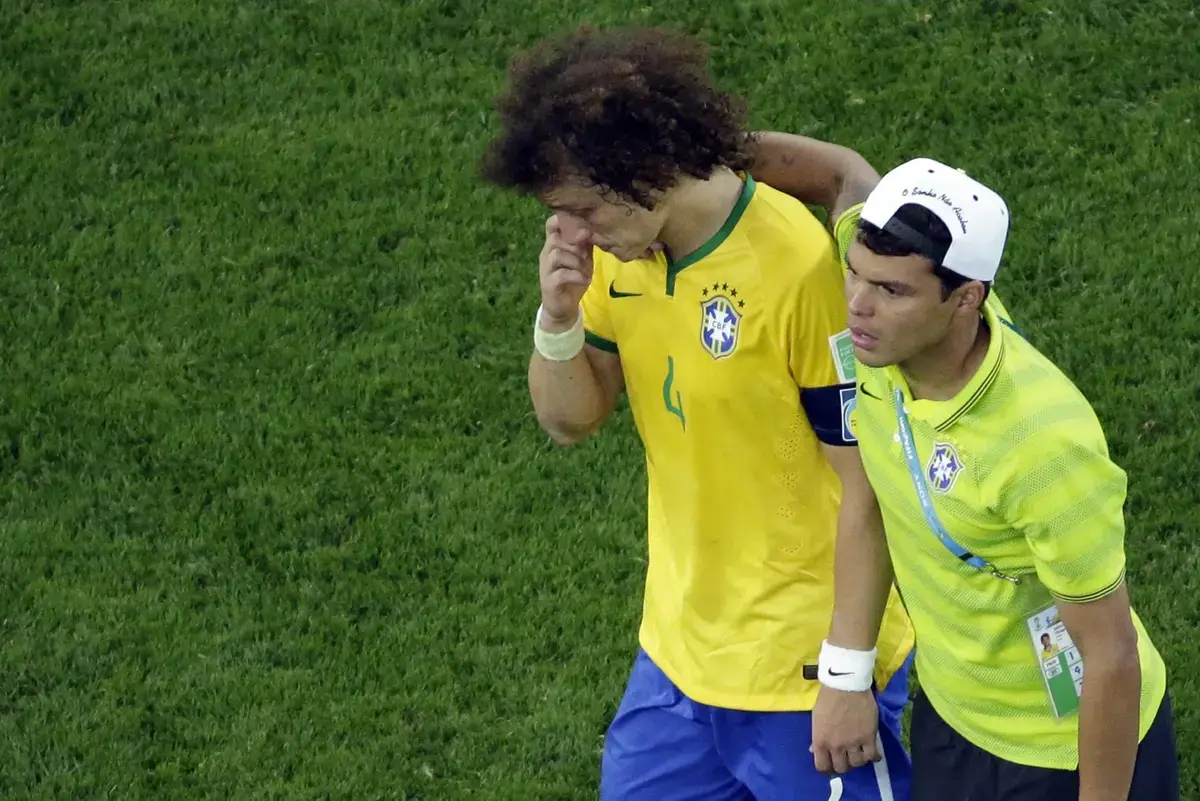
The 2014 tournament featured Germany's 7-1 semi-final win over Brazil. Although not in the group stage, that result stands as the largest margin of victory in a World Cup semi-final. Brazil's high defensive line and lack of organisation were brutally exposed.
Tactical and Statistical Context
Large scorelines often stem from mismatches in tactical discipline. In many cases, the losing side adopted an overly attacking approach or suffered from poor set-piece defending. For example, Saudi Arabia's 2002 defeat came after they pushed forward too eagerly, leaving gaps in behind.
Statistically, the average margin of victory in World Cup matches is around 1.5 goals. Games with five or more goals account for less than 10% of all matches, making these demolitions rare outliers.
Expanded tournaments with more teams could lead to more mismatches. The 2026 edition will feature 48 teams, raising the possibility of even larger victories against lower-ranked opponents.
Historical Comparisons
The largest win in World Cup qualifying also belongs to Australia, who beat American Samoa 31-0 in 2001. However, that match is not considered a World Cup final tournament result.
In continental competitions, similar margins have been seen. The 1975 Asian Cup featured Iran's 8-0 win over Yemen, while the 2019 Africa Cup of Nations had Algeria's 8-0 victory over Ethiopia.
At club level, Champions League group stage matches occasionally produce one-sided results. Liverpool's 8-0 win over Besiktas in 2007 and Real Madrid's 8-0 thrashing of Malmö in 2015 are other examples of top-tier mismatches.
What Future World Cups Could Bring
With the 2026 World Cup expanding to 48 teams, the group stage will feature more games between elite nations and debutants. This could lead to new records for largest victory, although FIFA's seeding system aims to prevent extreme mismatches.
Teams like San Marino or American Samoa, if they were to qualify, would struggle against top sides. However, the expanded format also means more competitive matches between similar-ranked teams.
The heaviest defeat in World Cup history remains 9-0, a record set by Hungary and Yugoslavia over 60 years ago. Whether any team can surpass that margin remains to be seen, but the 2026 tournament offers the best chance in decades.
Related Articles
Filed under: Latest News | LA Premier League Home