Which Teams Have Scored the Most Goals at the FIFA World Cup?
The FIFA World Cup creates legends in all sorts of ways. Some teams win by grinding out narrow results. Others leave a mark by overwhelming opponents with goals. Over the history of the tournament, certain nations have built a reputation for prolific scoring.
This article examines the all-time rankings for most goals scored by a team in World Cup history. We break down the numbers, highlight the trends, and explain why these rankings matter for future tournaments.
Top Nations in World Cup Goal Scoring History
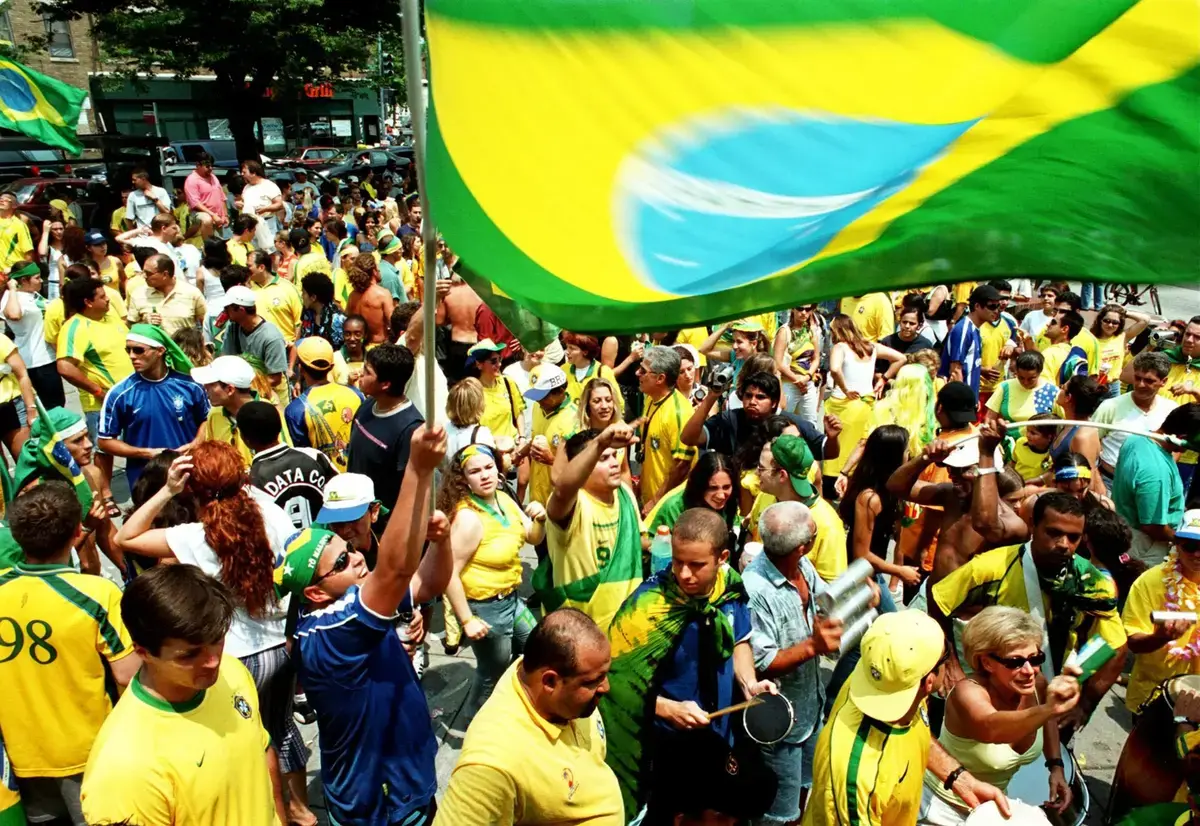
Brazil lead the all-time goal scoring charts with 237 goals in 114 matches across 22 tournaments. Their attacking flair has been a hallmark since 1930, with stars like Pelé, Ronaldo, and Neymar contributing heavily.
Germany sit second with 232 goals, despite playing fewer matches (112). The Germans have reached at least the semi-finals 13 times, which helps their tally. Their efficiency in front of goal is among the best.
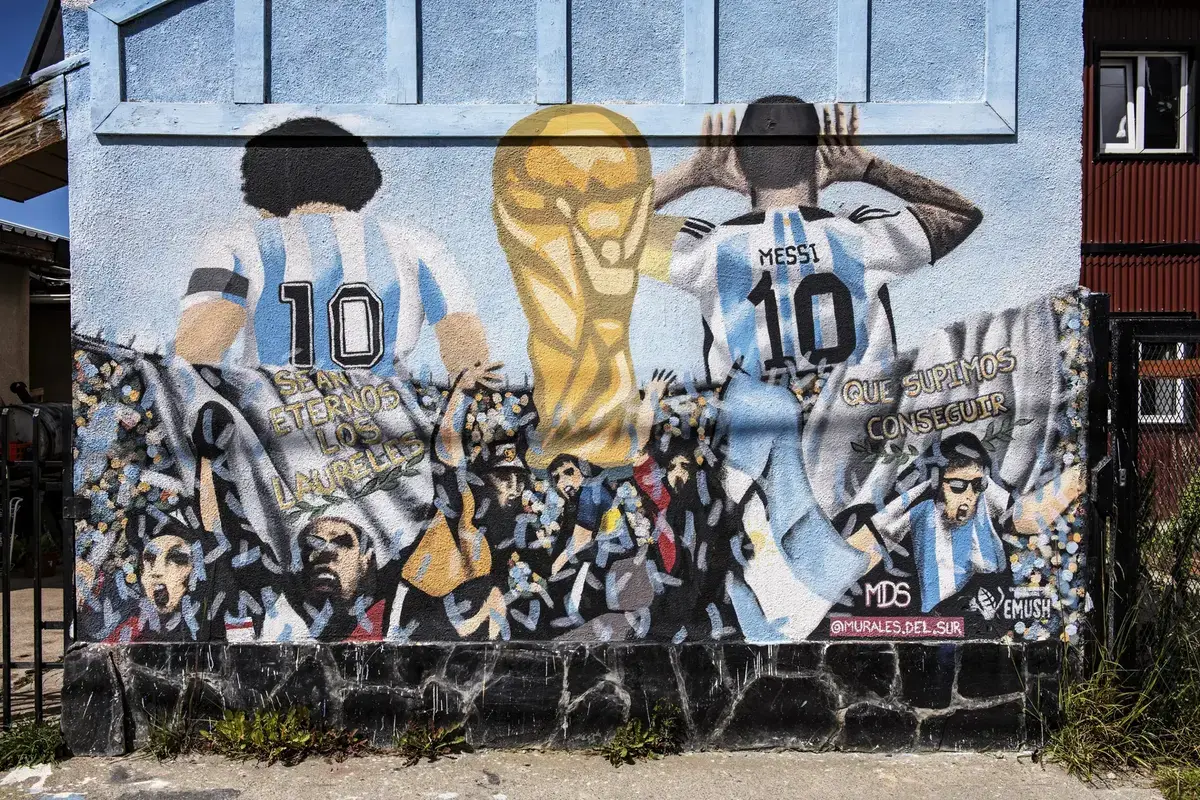
Argentina occupy third place with 152 goals from 88 matches. Lionel Messi's 13 goals across five tournaments have pushed them up the list, though they trail the top two by a significant margin.
Italy follow closely with 150 goals in 83 matches. France round out the top five with 136 goals from 73 matches, boosted by their 2018 triumph where they scored 14.
Tactical Context: How Teams Build Goal Tallies
The rankings reflect both longevity and attacking philosophy. Brazil's total comes from 22 appearances; Germany's from 20. Italy have appeared in 18 tournaments, Argentina in 18, and France in 16.
Teams that advance deep into tournaments naturally play more matches. Brazil have played 114 World Cup fixtures, more than any other nation. Germany have 112, Italy 83, Argentina 88, France 73.
Goal rate per game tells a different story. Hungary hold the highest goals-per-game ratio among all teams with 2.71 (87 goals in 32 matches), though they have not qualified since 1986. The Netherlands average 1.99 goals per game (96 goals in 55 matches).
Recent tournaments show a shift towards defensive solidity. The 2014 edition saw an average of 2.67 goals per game; 2018 dropped to 2.64; 2022 produced 2.69. These figures remain higher than the 1990s (2.21 per game in 1990), suggesting attacking football is still prized.
What This Means for Future Tournaments
The 2026 World Cup will expand to 48 teams, increasing the number of matches from 64 to 80. This gives traditional goal-scoring nations more opportunities to boost their tallies.
Brazil and Germany will likely increase their lead at the top, but emerging teams could climb the rankings. Nations like Belgium (70 goals in 51 matches) and the Netherlands are well placed to overtake mid-table teams such as Uruguay (89 goals).
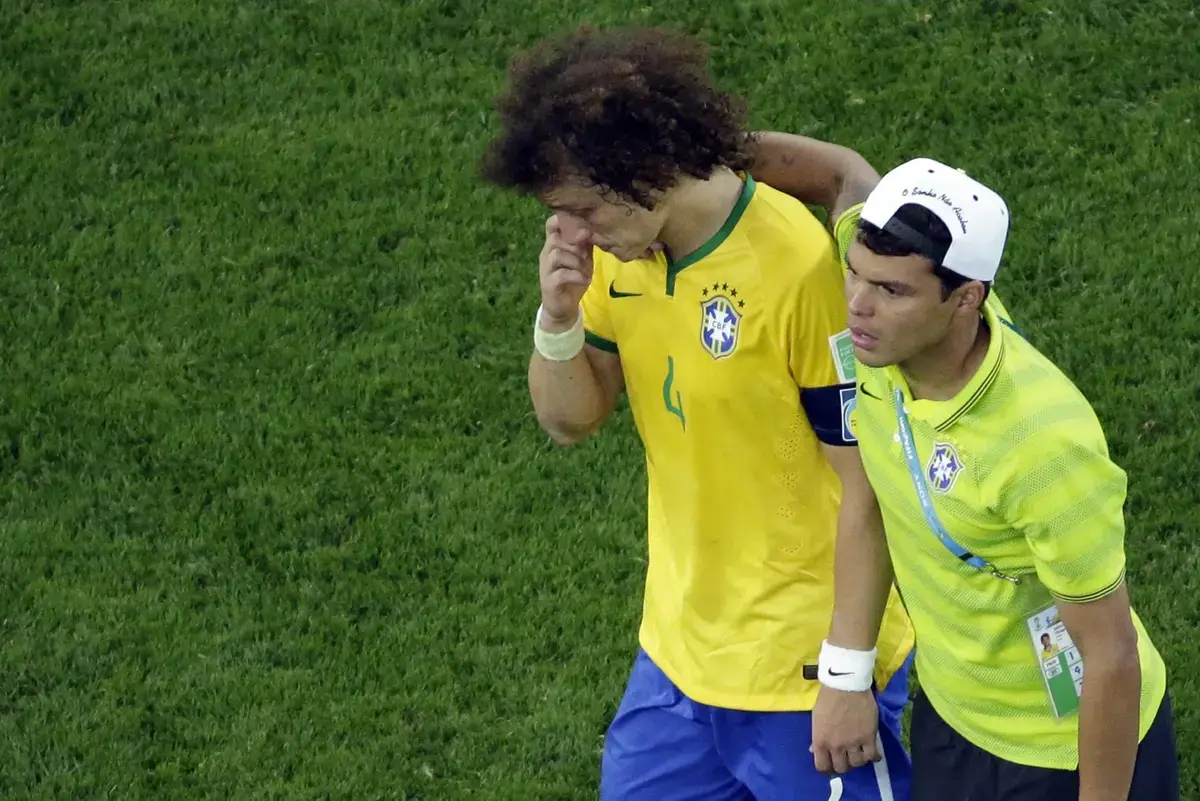
For managers, understanding historical scoring trends can inform tournament preparation. Teams that press high and counter quickly tend to score more in the group stages, as seen with Germany's 7-1 semi-final win against Brazil in 2014.
- Brazil top the all-time ranking with 237 goals from 22 tournaments.
- Germany second with 232 goals; Argentina third with 152.
- Hungary have the best goals-per-game ratio (2.71) but last appeared in 1986.
- Expansion to 48 teams in 2026 will increase total matches to 80.
- The average goals per game have remained stable around 2.6–2.7 since 2010.
Which Records Could Fall in 2026?
Brazil could become the first team to score 250 World Cup goals. Germany need 18 more to reach 250. Both are likely to achieve that milestone during the upcoming edition.
Argentina need 48 goals to reach 200, achievable if they make deep runs in the next two tournaments. England, currently on 104 goals, could break into the top five if they sustain their recent semi-final appearances.
For smaller nations, 2026 offers a chance to score their first World Cup goals. New teams from expanded qualifying slots will debut, adding freshness to the rankings.
The all-time table rewards consistency. Teams that combine attacking flair with tournament longevity will continue to dominate. The 2026 World Cup will write new chapters in this evolving story.
Related Articles
Filed under: Latest News | LA Premier League Home