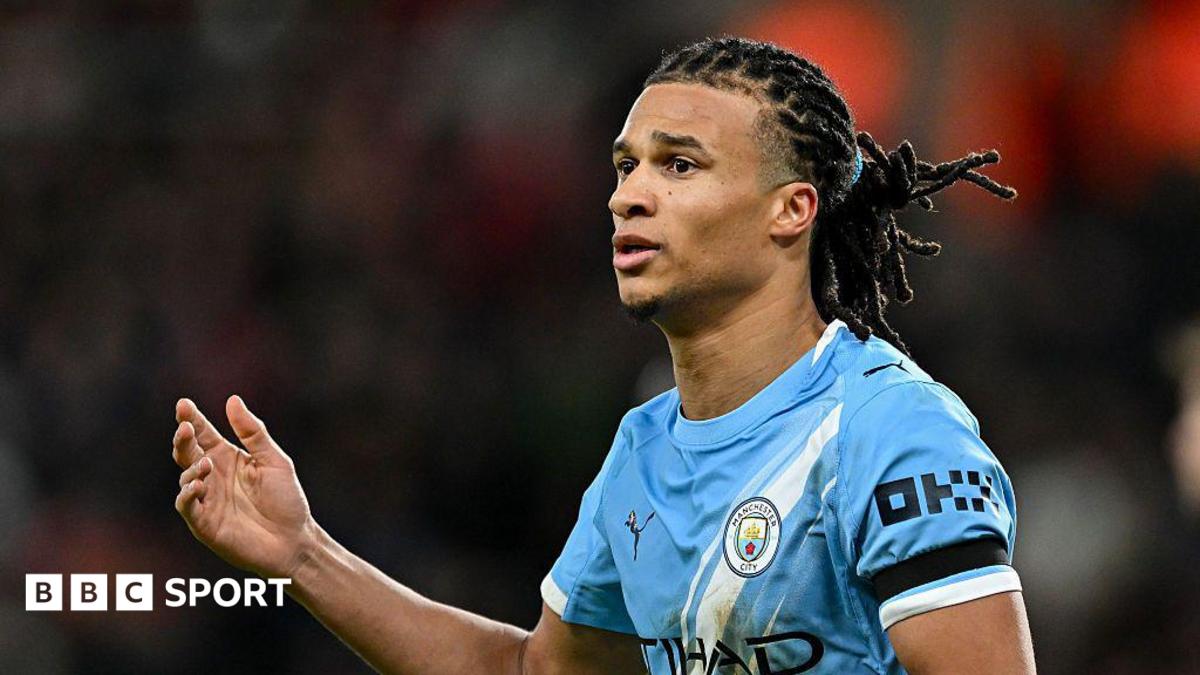

Manchester City are not a dynasty. They are a beautifully constructed but perilously fragile machine.
Three successive Premier League titles and a Champions League crown have seduced the football world into believing City have built an eternal monolith. In truth, their transfer strategy—obsessed with system-fit players to the exclusion of all else—has created a squad with no margin for error. When the key cogs break, the whole apparatus splutters.
The system-fit delusion: why Robben isn't coming
Pep Guardiola's City do not sign stars; they sign components. Every recruit must fit the geometric blueprint: inverted full-backs, false nines, interior midfielders who can receive in a half-turn. This produced the glory years, but it also means the squad lacks the raw, individual brilliance that solves matches when the system fails. Whereas Liverpool under Klopp could turn to Mohamed Salah's isolation brilliance, City have no equivalent.
The data back this. In the 2023-24 season, City's goals per game dropped from 2.3 to 1.8 when Kevin De Bruyne was absent. Without his diagonal passes and late surges, the attack became predictable. City's solution? Sign Matheus Nunes—another system-fit midfielder who cannot replicate De Bruyne's unique threat. The squad is a collection of specialists, not problem-solvers.
The academy mirage: selling the future for accounting tricks
City's academy is often cited as a model, but the numbers tell a different story. Since Guardiola's arrival, only Phil Foden has become a first-team regular from the youth ranks. The likes of Cole Palmer, James Trafford, and Romeo Lavia were sold for pure profit—£120m combined—but their departures leave the first team thin. Selling homegrown talent is clever PSR management, but it robs the squad of organic depth.
- Cole Palmer: sold for £42.5m to Chelsea. Now arguably Chelsea's best player.
- James Trafford: £19m to Burnley. City's fourth-choice keeper replaced by a €20m signing.
- Romeo Lavia: £58m to Liverpool. City's midfield depth reduced to ageing bodies and injury-prone players.
The academy is an asset-stripping engine, not a development pathway. City generate profit but sacrifice resilience. When injuries hit, there is no Palmer to step in—only the mercenaries bought to fit a rigid system.
The counter: City's success disproves the critique
Critics will point to the trophies. Four of the last five Premier League titles, a Champions League, the treble. How can a fragile machine achieve that? The answer is luck and a generational coach. Guardiola's tactical genius masked the structural flaws. When he leaves—and his contract expires in 2025—the system-fit players will struggle to adapt. Without a manager who can orchestrate the specific movements, the specialists become ordinary. Look at Barcelona after Guardiola: the Pep-specific squad collapsed into mediocrity.
City's transfer strategy is a bet on managerial continuity. The club has no Plan B. If Guardiola stays, the machine purrs. If he leaves, the £800m squad will need a rebuild few clubs can afford. The lack of individual brilliance, of players who can create something from nothing, will be exposed.
The bet that will be lost
By summer 2026, Manchester City will have undergone a major squad overhaul because the current strategy is unsustainable. Kevin De Bruyne and Bernardo Silva will be gone; the replacements—Savio, Oscar Bobb, Nunes—are system-fit players who lack the highest ceiling. I predict City will finish outside the top three in 2025-26, with Guardiola gone and the transfer strategy exposed as the brittle foundation it is. The machine will grind to a halt.
Related Articles
Filed under: Opinion | LA Premier League Home