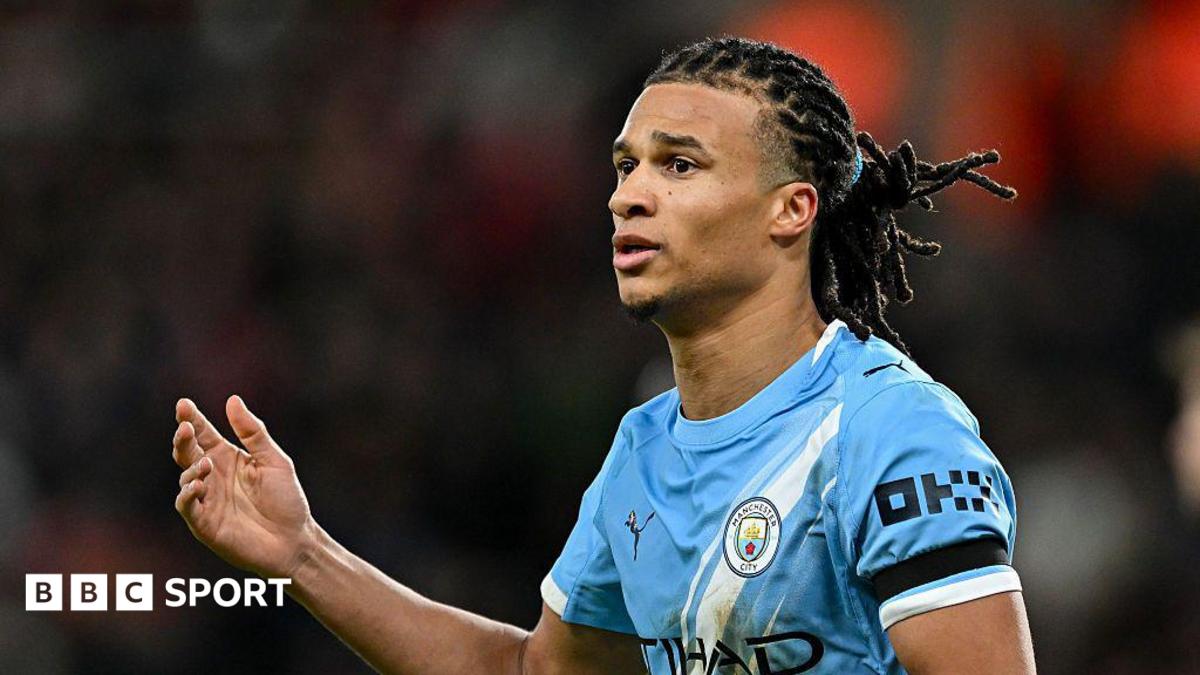

Manchester City's academy sells players it never intends to keep
In the five years since City's £200m academy opened, not one graduate has become a regular starter. The first team's core is bought, not bred. The academy is a franchise operation, not a development pathway—a machine for manufacturing profit, not players.
The numbers don't lie, but they do deceive
Since 2016, City have banked over £250m from academy sales: Jadon Sancho, Brahim Diaz, Romeo Lavia, Cole Palmer, Liam Delap, Morgan Rogers. Impressive on a balance sheet. But compare that to the first team: Phil Foden stands alone. No other academy player has made more than 20 league appearances in a season. The club's own data shows that only 3.2% of academy players ever play a premier league minute for City. That's the worst rate among the big six.
Meanwhile, Manchester United have produced Rashford, Greenwood, McTominay, Garner. Chelsea have fielded James, Mount, Abraham, Chalobah. Liverpool have given chances to Alexander-Arnold, Jones, Elliott. City? They loan, they sell, they repeat. The academy is a profit centre, not a talent pipeline.
The model: asset stripping by another name
City's strategy is clear: hoover up the best young talent from across Britain and Europe, then flip them for a premium. The academy is a finishing school—for other clubs.
- Romeo Lavia: signed from Anderlecht for £10m, sold to Southampton for £14m after one loan. Now worth £50m+ at Liverpool. City inserted a buyback clause they never used.
- Cole Palmer: sold to Chelsea for £42.5m despite Pep Guardiola calling him 'special'. City's valuation won out over footballing logic.
- Liam Delap: sold to Ipswich for £15m after a single sub appearance. A striker with a £15m price tag and 30 premier league minutes.
Each sale is lauded as 'pure profit' under FFP, but what about the opportunity cost? City don't trust their academy players to step in when injuries hit—witness the £50m spent on Kalvin Phillips, who rotted on the bench while Lavia was sold.
But what about the FFP benefits?
Defenders will say City's academy sales are vital for financial fair play compliance. Selling homegrown talent for pure profit allows the club to spend big on established stars. That is true—and it is precisely the problem. The academy exists to feed the transfer market, not the first team. It has become a cynical accounting tool, a way to circumvent spending rules while hoarding the league's elite players. The result is a two-tier system: City buy the finished product, while developing a factory of assets for the rest of the league.
The counter-argument that City have produced Foden—and that one superstar justifies the entire system—is intellectually bankrupt. Foden is an outlier, a generational talent who would have emerged at any club. The academy's job is to produce a steady stream of squad players. City's produces a steady stream of cheques.
By 2030, City's academy will have generated £500m in sales but zero new first-team starters
Unless City change their philosophy, the pattern is set. The investment in the academy has not created a self-sustaining machine; it has created a profit engine that masks a recruitment strategy built on direct spending. The club that prides itself on innovation is stuck in the old model of buying success—while dressing it in the language of academy virtue. The next Cole Palmer will be sold, not promoted. The next Foden is already being shopped.
Related Articles
Filed under: Opinion | LA Premier League Home