
The £1.5bn Illusion: Cobham Is Not a Talent Factory — It's a Profit Machine
For a decade, Chelsea's academy has been lauded as the Premier League's gold standard. Cobham produces England internationals: Mason Mount, Reece James, Conor Gallagher, Levi Colwill, Trevoh Chalobah. But the club's transfer strategy has turned this pipeline into a Ponzi scheme. Chelsea sell their youth to fund short-term fixes, while the first team drifts into a soulless cycle of buying other clubs' academy rejects. The latest £50m sale of Andrey Santos to Nottingham Forest — a Brazilian who never started a league match for Chelsea — proves the model is not about building a dynasty, but about balancing books.
The Selling Club: A History of Trading Youth for Pragmatism
Since Roman Abramovich's arrival in 2003, Chelsea have sold or loaned out more than 40 academy graduates who went on to play in Europe's top five leagues. The list includes Kevin De Bruyne (sold for £18m, now worth €80m), Mohamed Salah (sold for £15m), and Romelu Lukaku (sold twice, repurchased for £97.5m). In 2023 alone, Chelsea generated £200m from academy sales under the new ownership. But this is not smart business — it is a structural weakness. While Manchester City's academy feeds their first team (Phil Foden, Rico Lewis) and Manchester United's class of '92 remains a cultural touchstone, Chelsea treat their youth as commodities rather than resources.
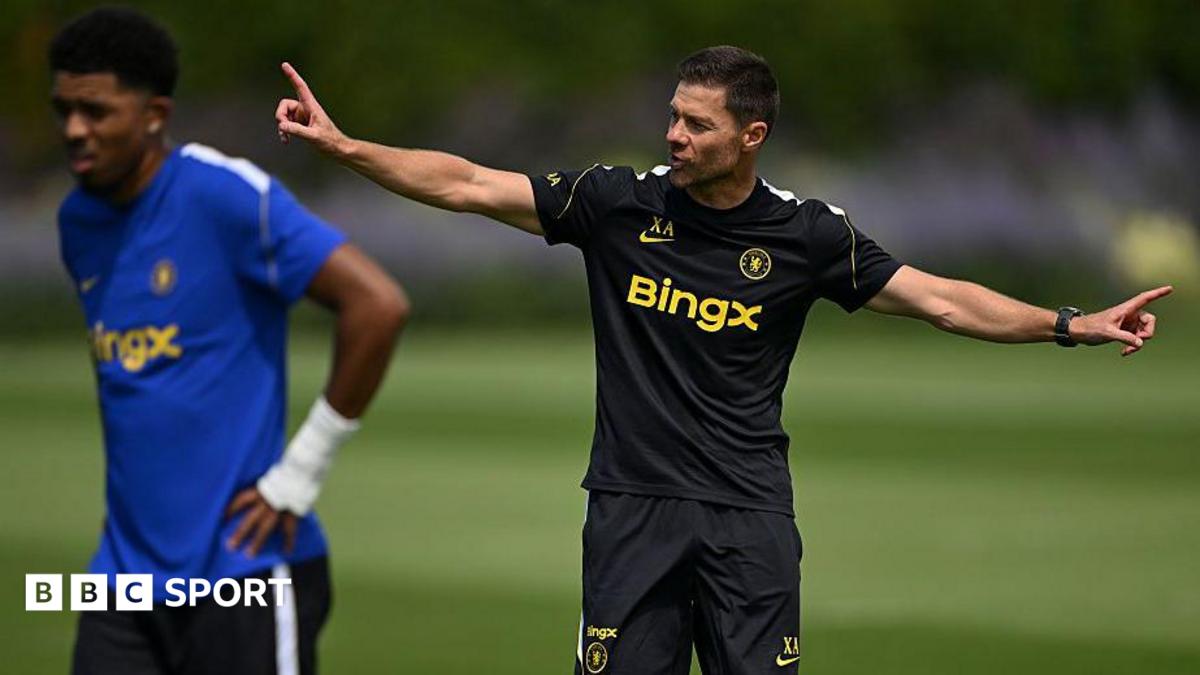
The Xabi Alonso Paradox: A Coach Who Needs Time, but Inherits a Rotating Door
Xabi Alonso arrives at Stamford Bridge after transforming Bayer Leverkusen into a Bundesliga powerhouse. His method requires patience: building relationships, drilling patterns, developing young players over months. But Chelsea's transfer strategy is allergic to patience. In the past three windows, the club have signed 23 players, most aged 21–23, on contracts lasting seven or eight years. That might seem like a youth movement, but it is actually a hedge against failure — long contracts allow amortisation of fees. Meanwhile, academy graduates like Mason Mount (sold to Man United) and Conor Gallagher (likely sold this summer) are pushed out to make room for incoming stars like Enzo Fernández (£107m) and Mykhailo Mudryk (£89m). The club's strategy is not to build around youth, but to flip players for profit.
Three Failures That Expose the System
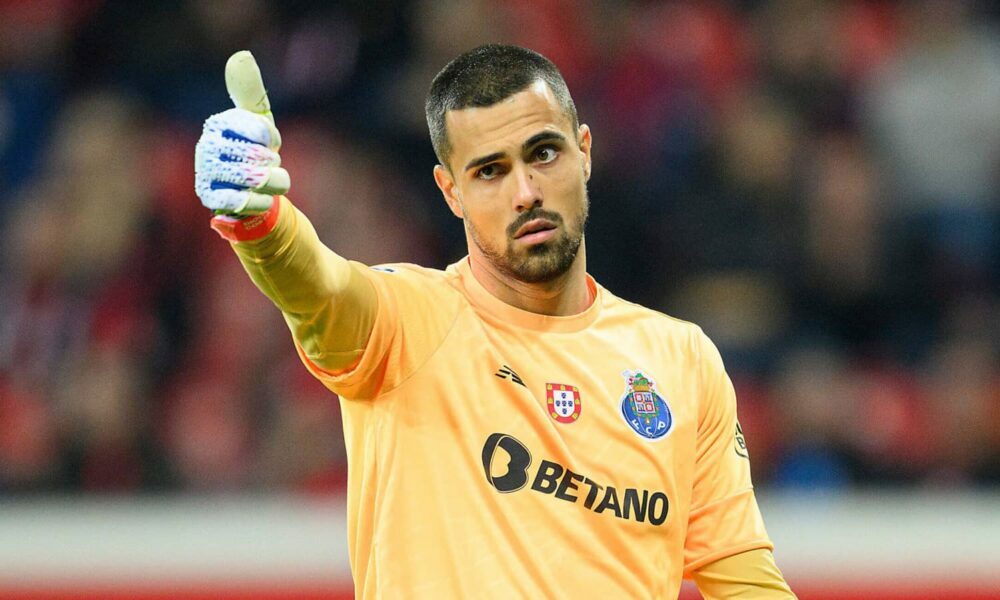
- Reece James vs. the £34m Goalkeeper: Chelsea are preparing a £34m bid for Porto's Diogo Costa — a fine goalkeeper — while James, their captain and academy graduate, cannot stay fit. Instead of building a defence around a homegrown leader, they chase expensive Band-Aids. The structural problem is that Chelsea do not trust their own products to be the core.
- The £50m Santos Sale: Andrey Santos, signed from Vasco da Gama for £18m, played 67 minutes for Chelsea across two seasons. They sold him to Nottingham Forest for £50m — a pure profit that allows them to buy another teenage winger. This is not development; it is arbitrage.
- Folarin Balogun Revisited: Chelsea are reportedly battling Tottenham to sign Folarin Balogun for £42m — a striker Arsenal sold because he did not fit their system. Chelsea's youth academy produced Dominic Solanke, Tammy Abraham, and now Balogun is on their radar. Why not trust their own number-nine? Because the board values market speculation over identity.
The Counter-Argument: Is Selling Youth Necessary for FFP?
Supporters of Chelsea's model argue that pure profit from academy sales is essential for financial fair play. The club's wage bill is among the highest in Europe, and last year they posted a £121m loss. Selling Mount for £55m, Gallagher for £40m, and Santos for £50m keeps the lights on. This argument holds water — but only if you ignore the £1.5bn spent on transfers since Todd Boehly's takeover. The club have spent more than any Premier League rival on incoming transfers, yet their squad lacks balance. They need a goalkeeper (Diogo Costa), a left-back, and a striker (Balogun?), but they are selling the very players who could fill gaps for free. The FFP excuse is a smokescreen for a strategy that prioritises trading over winning.
Verdict: By 2027, Chelsea Will Have Won Nothing and Sell Their Next Star to Fund a Rebuild
Here is the prediction: by the end of the 2026–27 season, Chelsea will not have won a Premier League title or Champions League. Xabi Alonso will leave, frustrated by the constant churn. The club will sell Levi Colwill or Cole Palmer for £80m+ to fund another dozen signings. Cobham will produce three more England internationals — who will be sold before they turn 25. Chelsea's board will call it a 'sustainable model'. The rest of us will call it what it is: a £1.5bn Ponzi scheme that prizes profit over glory.
Related Articles
Filed under: Opinion | LA Premier League Home