
The American Ownership Model Is a Parasite
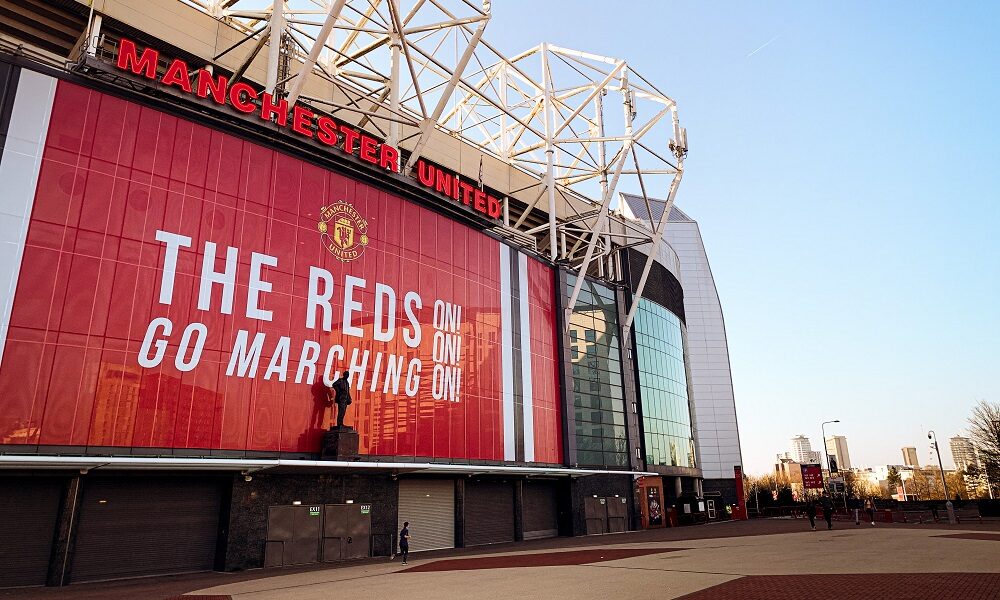
Premier League clubs owned by American investment funds are not football clubs anymore. They are revenue extraction vehicles, and the numbers prove it. Since 2021, Manchester United has paid £163m in interest on the Glazers' leveraged buyout debt. Arsenal's Kroenke family took out a £557m dividend in 2023. Chelsea, under Clearlake Capital, has amortised £1.5bn on transfers while selling off the family silver: Cobham graduates.
Debt Is a Feature, Not a Bug
American owners structure their purchases with debt piled onto the club itself. This is not risk-taking; it is a tax on the institution. When the Glazers borrowed £525m to buy Manchester United in 2005, they made the club liable. By 2022, United had paid over £1bn in interest and fees. Compare that to Bayern Munich, which has zero debt and fan ownership at 75%. The Premier League's profitability and sustainability rules (PSR) punish clubs for spending on wages, but they do not penalise debt-servicing. This is an ownership loophole that distorts competition.
The Dividend Drain and the FFP Farce
The data is damning. In the past five years, Premier League clubs have paid £1.2bn in dividends to shareholders, almost all of them American. Meanwhile, clubs like Everton and Leicester have been docked points for overspending on transfers. The Premier League's PSR system treats wage inflation as a threat but ignores the money leaving the ecosystem entirely. Here is the list of the worst offenders:
- Manchester United: £163m interest (2021-2024) while spending £1.3bn on players but failing to win the league.
- Arsenal: £557m dividends to Kroenke (2023) while raising ticket prices by 6%.
- Chelsea: £1.5bn amortised transfer fees, yet their academy sales funded £200m of that.
- Liverpool: Fenway Sports Group took £110m in dividends in 2022, then hiked season tickets.
These are not owners investing; they are extracting. And the Premier League's financial rules enable it.
The Counter-Argument: Private Investment Brings Growth
The standard defence: American owners have globalised the Premier League, driving broadcast revenues to £10bn. They professionalise commercial operations. Manchester United's commercial revenue rose from £65m in 2005 to £650m in 2024. Liverpool's commercial growth under FSG has been impressive. Without American capital, the league would not be as rich. But this argument conflates correlation with causation. The Premier League's global appeal is built on competitive balance, not ownership tactics. Broadcasting rights skyrocketed because of the product, not because of the owners. In fact, the Glazers' debt has actually hindered United's competitiveness, and Chelsea's Clearlake ownership has turned them into a loan army factory. The real growth comes from the league's natural popularity, not from financial engineering.
The FFP Hypocrisy
FFP was sold as a way to stop clubs from going bankrupt. Instead, it protects the status quo. Clubs that spend on player wages get penalised, while clubs that service debt are rewarded. The result: a two-tier system where American-owned clubs can use debt to finance signings while clubs like Everton, which historically spent within their means, get sanctioned for a £20m overspend. The Premier League's new financial sustainability rules cap wages at 85% of revenue, but they ignore dividends and interest payments. This is a safety net for leveraged owners. A specific prediction: by 2026, at least three American-owned clubs will breach PSR limits on player spending while paying dividends, and they will avoid punishment because the rules do not account for ownership extraction.
The Verdict: A Predictable Crash
Within three seasons, a major American-owned Premier League club will face a severe financial crisis as interest rates rise and broadcast revenue growth slows. The club will be forced to sell its star players, default on debt, or break away into a European Super League replica. My specific prediction: Manchester United will breach PSR within two seasons because the Glazers' debt burden will push the club's interest-to-revenue ratio above 20%, triggering a cash crisis. The Premier League will then be forced to rewrite its ownership rules, but only after the damage is done.
Related Articles
Filed under: Opinion | LA Premier League Home