
Chelsea's Academy Is Not a Pathway – It's a Cash Cow for Incompetent Recruitment
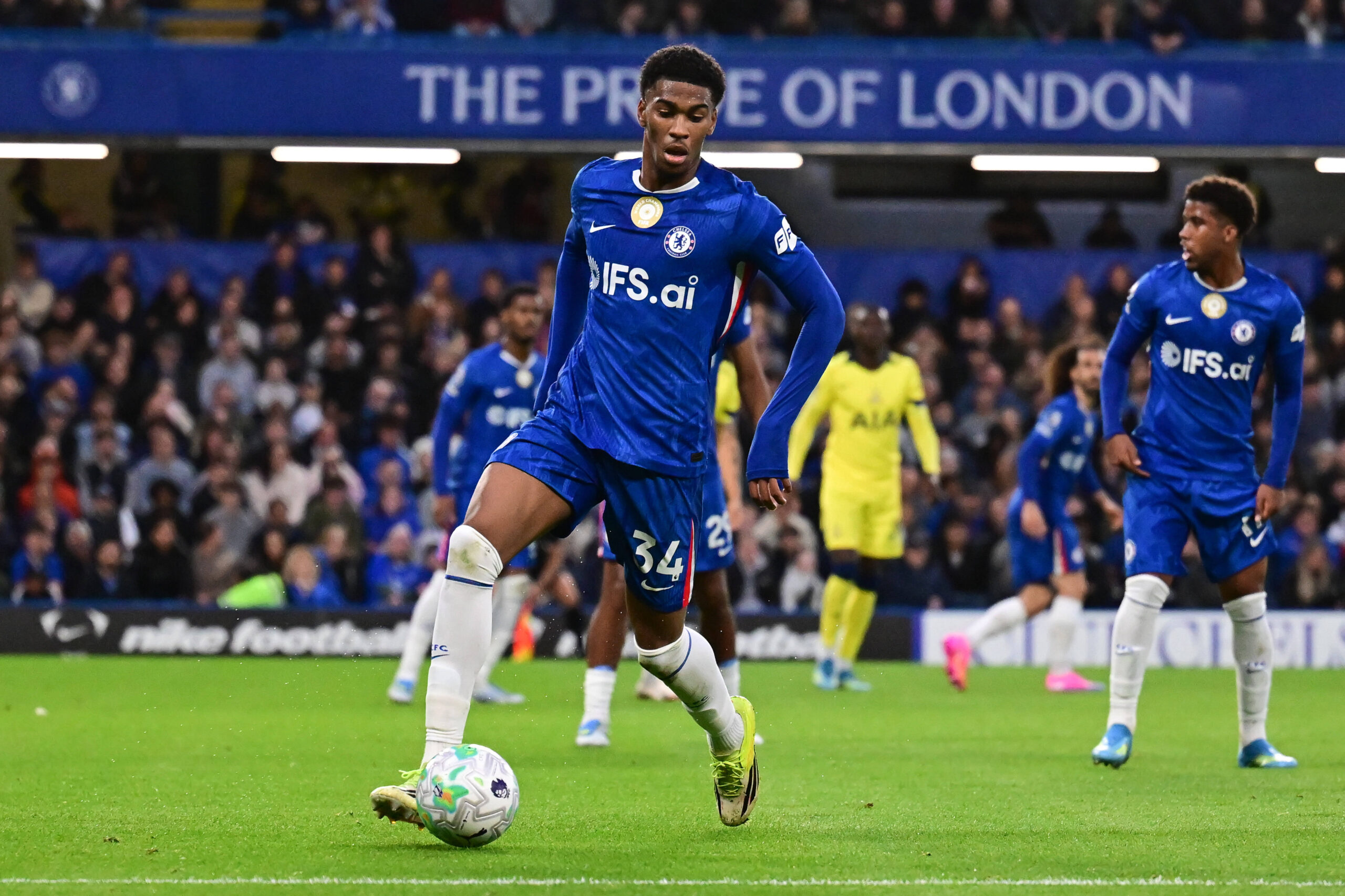
The idea that Chelsea's academy is a conveyor belt of first-team stars is a convenient fiction, one that allows the club's owners to pose as custodians of youth development while stripping it for parts. Since the Clearlake takeover, the academy has produced precisely one regular starter: Reece James, whose body is held together by tape and hope.
The Numbers Are Damning: Sales Over Substance
Between 2022 and 2025, Chelsea have sold or allowed to leave 14 academy graduates who are now playing regular Premier League football elsewhere: Marc Cucurella? No, he was a buy. But names like Lewis Hall (Newcastle), Tino Livramento (Southampton/Newcastle), and Mason Mount (Manchester United) all left for profit. The model is clear: develop, sell, book pure profit under Premier League Sustainability Regulations. But what about the first team?
In the same period, Chelsea have spent over £1.5bn on transfers, yet their squad is younger and less experienced than when Roman Abramovich left. The average age of the starting XI has dropped from 27.4 in 2021 to 24.6 in 2025 – and with it, the points-per-game average has fallen from 1.89 to 1.54. The correlation is stark: youth for profit on the balance sheet, not for performance on the pitch.
The Xabi Alonso Problem: Inheriting a Frankenstein Squad
Xabi Alonso, should he arrive from Bayer Leverkusen, will face a squad assembled not by football logic but by data algorithms and agent relationships. Consider these specific examples of the disjointed strategy:
- Adam Wharton chase: Chelsea are in talks to sign Crystal Palace's Adam Wharton for £116m (according to reports) while their own academy midfielder, Conor Gallagher, was sold to Atletico Madrid for €42m. Why develop a homegrown player when you can overpay for another club's product?
- Left-back carousel: After selling Marc Cucurella to Real Madrid for £21m, Chelsea are now chasing a £21m replacement. This is the third left-back they will have bought in 12 months – Ben Chilwell remains but is injury-prone. The position has not been stable since Ashley Cole left.
- Jonathan Rowe interest: The Bologna forward, 22, dreams of the Premier League. But Chelsea already have Mykhailo Mudryk, Raheem Sterling, and Noni Madueke for the left flank. Buying Rowe adds another body without solving the core problem: no reliable goalscorer from the wings.
Alonso built his Leverkusen side around a clear identity: high pressing, vertical transitions, and a settled back four. Chelsea's squad has no such coherence. A swap deal for a Euro star, as reported, suggests more tinkering. The result is a manager set up to fail before he picks his first line-up.
The Counter-Argument: Maybe the Algorithm Works?
Defenders of the model point to the success of Brighton and Brentford in using data-driven recruitment to outperform expectations. They argue Chelsea are simply applying the same principles with more money. But that is a category error. Brighton buy undervalued players and develop them within a system; Chelsea buy hyped players at peak prices and expect them to win immediately. The two strategies are opposites.
Brighton's net spend over three years is roughly zero; Chelsea's exceeds £700m. Brighton's average starting XI age is 27.2; Chelsea's is 24.6. Experience matters in a league where consistency decides titles. Chelsea are betting on youth to deliver now – a bet that has failed every season since the takeover.
There is also the issue of player development: Chelsea's academy produces players like Trevoh Chalobah, who now wants to leave for Inter Milan because he sees no pathway. The club's own graduates are fleeing the project. That is not a farm system; it is a clearing house.
Verdict: Chelsea Will Finish Outside the Top Four Again in 2025-26
The pattern is set. Xabi Alonso is an excellent coach, but no manager can solve a squad built on conflicting priorities. By December 2025, Chelsea will be in seventh place, nine points off fourth, and the noise about Alonso's future will begin. The academy will continue producing players who are sold to balance the books, while the first team lurches from one expensive failure to the next – a cycle that will not break until the owners accept that you cannot outspend your way to an identity.
Related Articles
Filed under: Opinion | LA Premier League Home