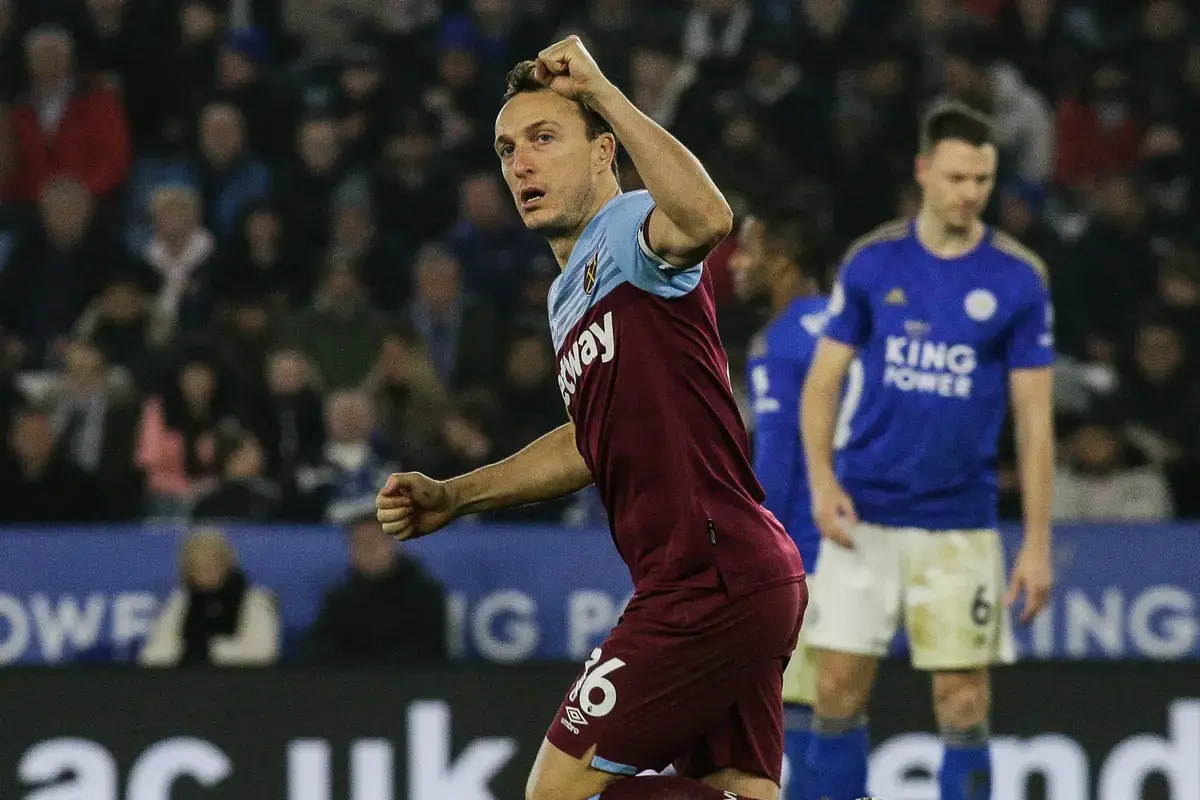

West Ham have become a set-piece machine, and it's making them worse
West Ham United have scored more goals from set pieces than any other Premier League team this season. They have also created fewer open-play chances than any side outside the relegation zone. That is not a coincidence; it is a tactical straitjacket.
The data behind the dead-ball dependency
Under Julen Lopetegui, West Ham have doubled down on the set-piece specialisation that began under David Moyes. Last season, only Arsenal and Liverpool scored more goals from dead balls. This season, the Hammers lead the league in set-piece goals, with James Ward-Prowse and Aaron Cresswell delivering laser-guided crosses and Kurt Zouma, Tomas Soucek and Nayef Aguerd attacking them with relish.
But the cost is stark. West Ham rank 18th for open-play expected goals (xG) and 19th for shot-creating actions from open play. Their attacking patterns have become mechanical: win a corner, load the box, hope for a flick-on. When that fails, they retreat into a low block and invite pressure. It is a recipe for grinding out results against fellow mid-table sides, but it is also a ceiling on their ambition.
Why this is a problem
Set-piece reliance is not inherently bad. Arsenal have used it to great effect, but they pair it with intricate open-play moves. West Ham do not. Their midfield lacks the interplay to break down organised defences. Lucas Paquetá, their most creative player, is often isolated on the left, forced to dribble past three men because there are no runners ahead of him. Mohammed Kudus, a £38m signing, has been marginalised, his dribbling wasted in a system that prioritises crosses over combinations.
This predictability makes West Ham easy to defend against. Opponents know that if they avoid conceding corners and free kicks in dangerous areas, they can nullify the Hammers' main threat. In open play, West Ham have scored just four goals from inside the box this season – the lowest in the league. They have also completed the second-fewest passes in the final third. The numbers paint a clear picture: this is a team that cannot create without a dead ball.
- Set-piece goals: 11 (1st in Premier League)
- Open-play goals: 4 (19th)
- Open-play xG per 90: 0.78 (18th)
- Chances created from open play: 62 (19th)
The counter-argument: pragmatism pays
Defenders of Lopetegui will point out that West Ham are 10th in the table, above the likes of Brighton and Bournemouth. They will argue that set pieces are an efficient way for a mid-table club to compete with wealthier rivals. It is a fair point: Moyes used the same approach to secure European qualification and a Europa Conference League trophy. But Moyes had Declan Rice driving forward and Saïd Benrahma dribbling. Lopetegui has neither, and his attempts to replace them with a rigid 4-3-3 have failed.
Moreover, the modern game demands more. Teams that rely solely on set pieces eventually get found out. Just ask Tony Pulis's Stoke City, who peaked with a FA Cup final but were relegated within five years. West Ham have loftier ambitions: a new stadium, a £100m training ground, and aspirations of breaking into the top six. You cannot do that with a one-dimensional attack.
Verdict: West Ham will finish in the bottom half
Unless Lopetegui introduces genuine open-play patterns – more underlaps, more third-man runs, more freedom for Paquetá and Kudus – West Ham will slide down the table. Their set-piece bubble will burst when Ward-Prowse's delivery dips or opposition goalkeepers learn to command their boxes. I predict they will finish 14th or lower, with fewer than 50 goals scored, and Lopetegui will be sacked by February. That is a specific, falsifiable claim. Watch the open-play xG column; it will be their undoing.
Related Articles
Filed under: Tactical Analysis | LA Premier League Home