West Ham's £7.5m shirt deal collapsed in weeks — and the Premier League has a long history of bad business
West Ham began the 2008/09 season with XL Holidays on their shirts but the travel firm entered administration in September 2008, leaving the club with a £5m shortfall. That is just one of several Premier League business deals that unravelled spectacularly, from Everton's 777 Partners escape to Manchester City's mysterious 3Key partnership.
- West Ham's sponsor: XL Holidays collapsed into administration in September 2008; club received only £2.5m of a £7.5m deal.
- Everton's escape: 777 Partners' proposed takeover expired in May 2024 after lending the club around £200m.
- Man City's partner: 3Key Technologies announced in November 2021, suspended days later over legitimacy concerns.
- Chelsea's sponsor search: Paramount+ blocked, Stake rejected by 77% of fans, Infinite Athlete deal worth around £40m.
- Arsenal's Rwanda deal: Worth approximately £10m per year, ending after the 2025/26 season.
The deals that went wrong
West Ham and XL Holidays
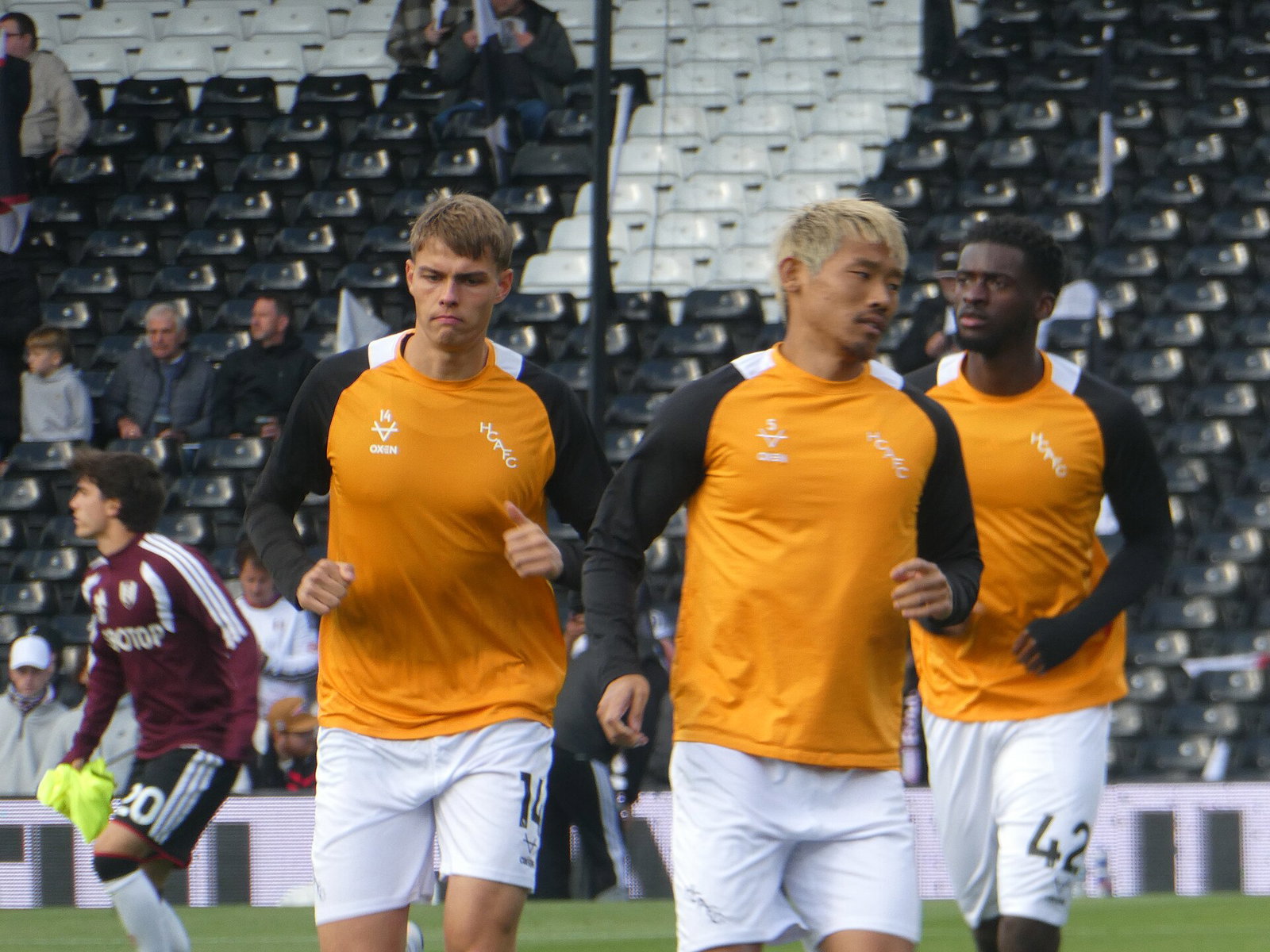
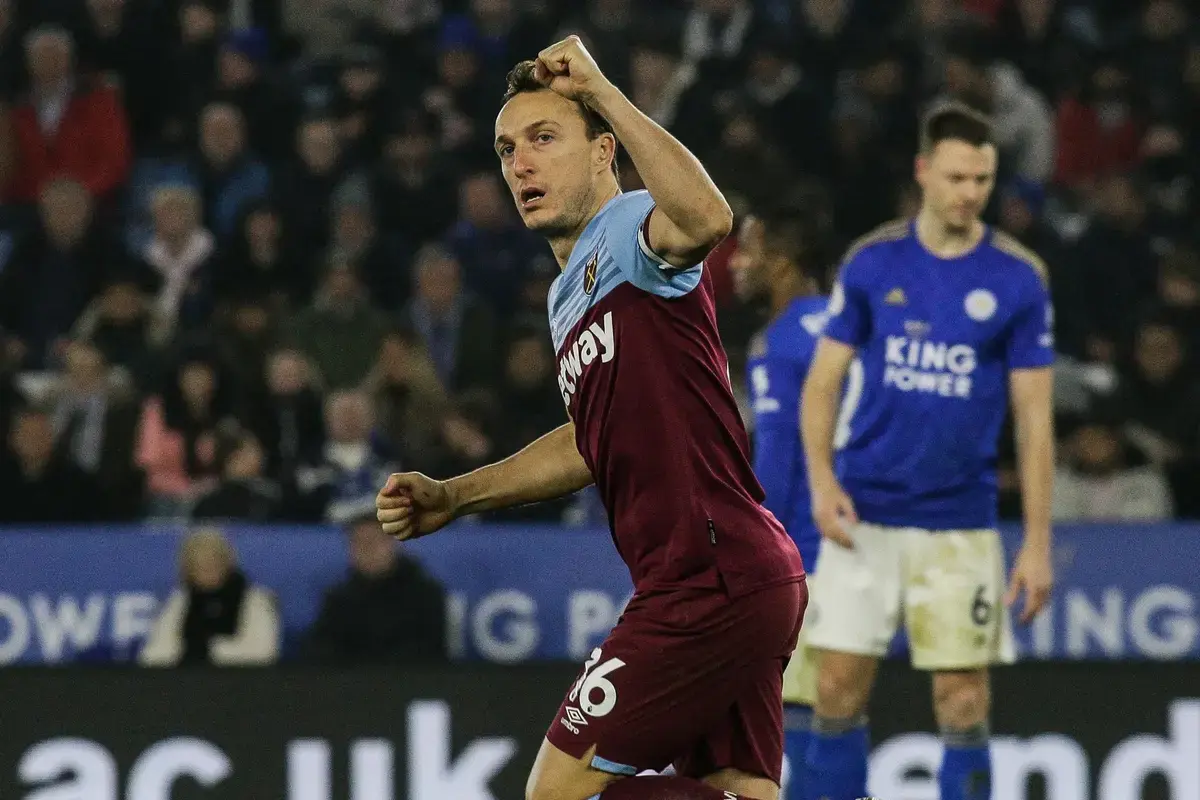
West Ham began the 2008/09 season with XL Holidays displayed prominently across the front of their shirts. The travel company had agreed a three-year sponsorship deal worth £7.5 million, but the arrangement did not last long.
XL Leisure Group entered administration in September 2008, leaving tens of thousands of holidaymakers stranded overseas. West Ham immediately terminated the sponsorship and suspended sales of replica shirts carrying the company's branding.
The club had reportedly received only £2.5 million of the agreed £7.5 million, potentially leaving a £5 million gap. Players temporarily appeared in shirts with the XL logo covered before West Ham secured a replacement agreement with betting company SBOBET.
It remains one of the most visually memorable sponsor failures in Premier League history. Fans had already bought the branded shirt, only for the company printed across it to disappear weeks into the season.
Everton and the takeover that never happened
Few proposed takeovers created as much concern as 777 Partners' attempt to buy Everton. Farhad Moshiri agreed to sell his 94.1% shareholding to the Miami-based investment company in September 2023. The process dragged on for months as Everton waited for regulatory approval and 777 attempted to meet a series of financial conditions.
During that period, 777 lent Everton around £200 million. The funding helped the club meet costs at a time of severe financial pressure, but it also left Everton exposed to a company that was attracting increasingly serious questions about its finances.
The takeover agreement eventually expired in May 2024 without being completed. The Friedkin Group subsequently acquired Everton in December that year.
The collapse of 777 Partners demonstrated how close the club had come to entering an uncertain ownership structure. The firm's football portfolio included Genoa, Standard Liège, Hertha Berlin, Vasco da Gama, Red Star and interests in several other clubs, but its business empire later disintegrated amid legal and financial problems.
In October 2026, 777 co-founder Josh Wander pleaded guilty in the United States to wire fraud and securities fraud. Prosecutors said he used fictitious and double-pledged assets, false bank statements and misleading financial information to obtain hundreds of millions of dollars. Everton avoided being taken over by 777, but the club was left with a complicated £200 million debt connected to a company that subsequently collapsed.
Manchester City and the mysterious company with no footprint
In November 2021, Manchester City announced 3Key Technologies as an official regional partner in decentralised finance trading analysis. The description was difficult enough to understand. The company itself proved even more difficult to find.
Questions quickly emerged about 3Key's legitimacy. Its website reportedly contained no registered office, company number or meaningful contact information. The executives named by the company appeared to have almost no digital footprint, while associated websites temporarily went offline.
Manchester City suspended the partnership days after announcing it, saying further enquiries were required. No 3Key products or services had been activated as part of the arrangement.
The incident arrived during a period when football clubs were racing to sign cryptocurrency, blockchain and non-fungible token partners. For companies operating in new or lightly understood sectors, a Premier League partnership provided credibility and global recognition. The problem was that the club's endorsement could make the business appear trustworthy before supporters had any realistic opportunity to evaluate it. City said it had conducted due diligence, but the speed with which the deal was suspended raised obvious questions about how effective those checks had been.
Chelsea's long search for a shirt sponsor
Chelsea's search for a sponsor after the expiry of its agreement with telecommunications company Three became a lesson in how a club can have enormous commercial value and still struggle to find the right partner.
A proposed deal with streaming service Paramount+ was blocked by the Premier League because of concerns about conflicts with the competition's broadcast partners. Chelsea then held discussions with online gambling company Stake. That proposal met significant opposition from supporters. In a Chelsea Supporters' Trust survey involving 3,297 fans, 77% said they disagreed or strongly disagreed with the proposed partnership.
The club stepped away from the Stake deal and eventually reached an agreement with sports technology company Infinite Athlete. The arrangement was reportedly worth around £40 million for the 2023/24 season, although Premier League approval was delayed while the company supplied information about its funding and revenue.
Infinite Athlete had only recently adopted its new name and had existing connections to Chelsea. Its investors also had links to companies associated with members of the club's ownership group, meaning its valuation received additional scrutiny under fair-market-value rules. The eventual deal was approved, but Chelsea began the season without a front-of-shirt sponsor. The episode showed how commercial urgency can leave clubs choosing between regulatory complications, supporter opposition and accepting less money than they initially wanted.
Arsenal and Visit Rwanda
Arsenal made Visit Rwanda its first sleeve sponsor in 2018. The agreement with the Rwanda Development Board was reportedly worth approximately £10 million per year.
Commercially, the partnership gave Rwanda extraordinary global exposure. The tourism authority reported growth in visitor numbers and tourism revenue during the period, although it is difficult to attribute those increases entirely to football sponsorship.
The controversy centred on whether a Premier League club should promote a country whose government faced sustained criticism over human rights and foreign policy. Criticism increased following allegations about Rwanda's support for the M23 armed group operating in the Democratic Republic of the Congo. The Congolese government urged Arsenal and other sponsored clubs to end what it described as "blood-stained" deals.
Some Arsenal supporters organised protests and distributed armbands that could be used to cover the Visit Rwanda logo. Critics also questioned whether a country receiving international development assistance should spend millions sponsoring wealthy European football clubs. Arsenal and the Rwanda Development Board defended the partnership's effect on tourism, conservation and grassroots football. In 2025, however, they announced that the arrangement would end after the 2025/26 season. The deal showed that sponsorship cannot always be separated from politics. When a club advertises a country rather than an ordinary consumer brand, it also becomes part of the debate surrounding that country's actions.
Why due diligence keeps failing in the Premier League
The common thread across these deals is not bad luck but weak scrutiny. West Ham signed a three-year deal with a travel company that entered administration weeks later. Manchester City announced a partnership with a firm that had no registered office and executives with no digital footprint. In both cases, the clubs moved faster than their checks.
Everton's situation was more serious because the money involved was £200 million in loans, not shirt sponsorship. The club's acceptance of funding from 777 Partners while the takeover awaited approval left it exposed to a company later engulfed in fraud charges. The subsequent guilty plea by co-founder Josh Wander in October 2026 confirms the risk was real, not theoretical.
Chelsea and Arsenal show the other side: deals that were technically sound but politically or reputationally fraught. Chelsea's fans rejected a gambling sponsor in a survey of 3,297 supporters, forcing the club to accept a related-party deal worth around £40 million. Arsenal's Rwanda partnership delivered £10 million a year but attracted sustained criticism over human rights. Commercial value and reputational cost are not always aligned.
Talking points
- Should the Premier League vet sponsors before clubs announce them, given City's 3Key deal was suspended within days?
- Everton borrowed £200 million from 777 Partners — was that reckless or a necessary lifeline during financial pressure?
- Chelsea's fans rejected Stake, yet the club ended up with a related-party deal. Did supporter consultation actually change anything?
- Arsenal's Visit Rwanda deal ends after 2025/26 — was the criticism justified, or did the tourism benefits outweigh political concerns?
What happens next
Arsenal's Visit Rwanda partnership ends after the 2025/26 season, closing a seven-year association reportedly worth £10 million per year. Everton, now under Friedkin Group ownership since December 2024, continue to manage the financial legacy of the 777 Partners loans. Manchester City's brief 3Key arrangement remains a case study in how quickly a Premier League announcement can be reversed. Chelsea's front-of-shirt sponsorship situation for future seasons remains a live commercial question.
Frequently asked questions
Why did West Ham's XL Holidays deal collapse?
XL Leisure Group entered administration in September 2008, weeks after the 2008/09 season began, leaving West Ham with only £2.5 million of the agreed £7.5 million.
Did 777 Partners actually buy Everton?
No. The takeover agreement with Farhad Moshiri expired in May 2024 without completion, and the Friedkin Group acquired Everton in December that year. 777 had lent Everton around £200 million.
Why did Manchester City suspend their 3Key Technologies partnership?
Manchester City suspended the partnership days after announcing it in November 2021, saying further enquiries were required, after questions emerged about the company's legitimacy and lack of contact information.
Related Articles
Filed under: Club News | LA Premier League Home