
The Premier League's PSR Regime Is a Cartel's Protection Racket
The Premier League's Profit and Sustainability Rules are not a noble attempt to keep clubs solvent. They are a rigged game designed to keep the wealthy wealthy and the ambitious punished.
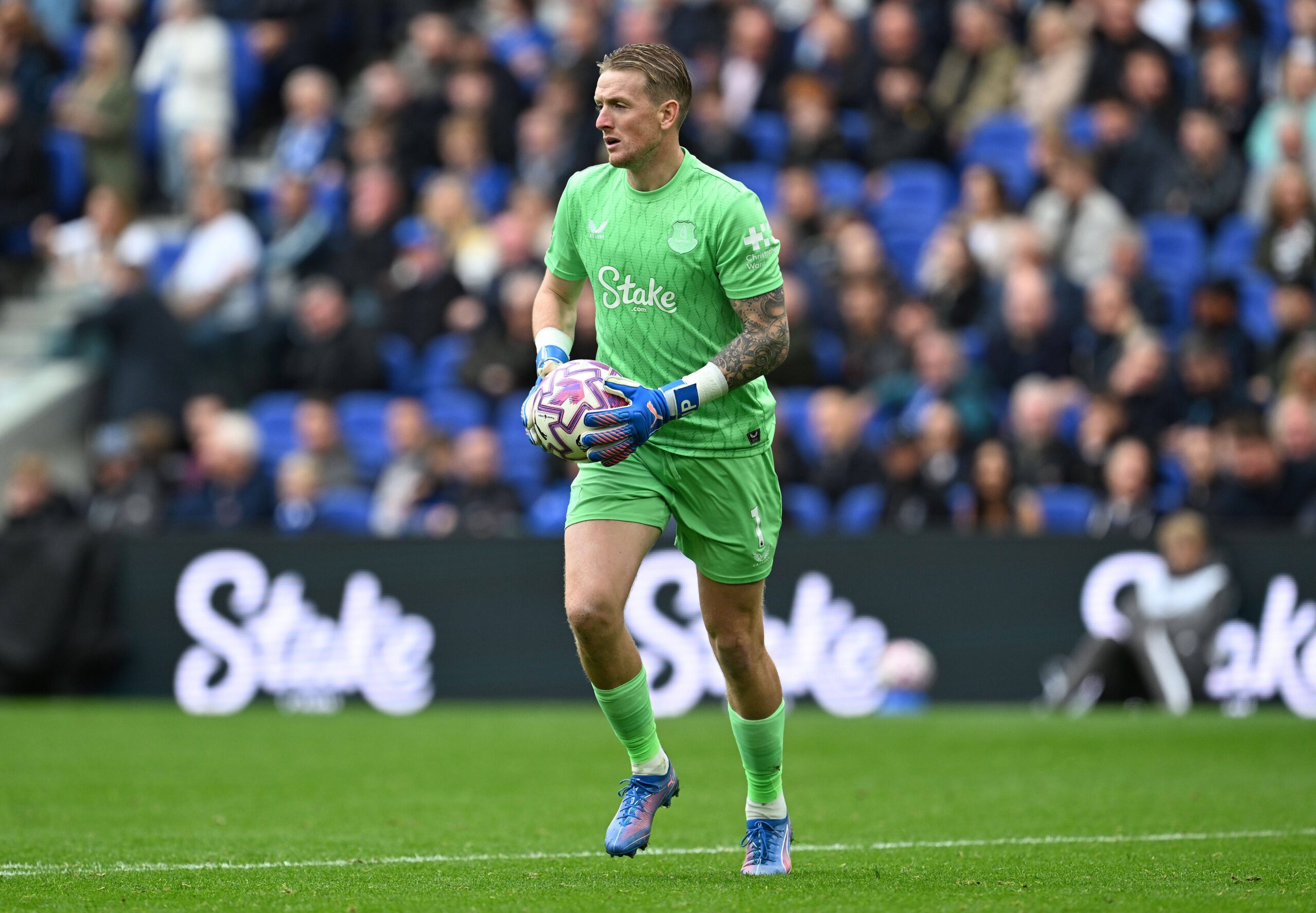
Everton and Nottingham Forest were docked points for breaches that, in real terms, amount to accounting errors. Meanwhile, the Big Six continue to spend with impunity. The message is clear: break the glass ceiling and you'll be fined into submission.
How We Got Here: A History of Financial Control
Financial fair play was never about fairness. When UEFA introduced FFP in 2009, it was a direct response to Roman Abramovich's Chelsea and the new money at Manchester City. Michel Platini called it "financial fair play" but the intent was to stop clubs spending beyond their means — and beyond the means of the established elite.
The Premier League's PSR, introduced in 2013, is a watered-down version of the same idea. Clubs can lose £105m over three years, but that figure is arbitrary. It ignores owner investment, inflates the advantage of clubs with massive commercial revenues, and punishes clubs that try to compete through external funding.
Consider the numbers. In the 2022-23 season, Manchester City's revenue was £712m. Everton's was £172m. The gap is not a matter of smart business; it's a structural chasm. PSR locks in that chasm.
The Evidence: PSR Is Not About Solvency
If PSR were about ensuring clubs pay their bills, Everton would not have been deducted ten points — later reduced to six — for a breach that involved a new stadium. The club was not on the brink of administration. It was building infrastructure.
Meanwhile, Chelsea spent over £1bn in two transfer windows under Todd Boehly, exploiting amortisation loopholes and long contracts. They faced no points deduction. Manchester City, facing 115 charges, have seen the process drag on for years while they continue to win titles.
The inconsistency is not a bug; it's a feature. The rules are enforced selectively to maintain the status quo.
- Everton were docked 10 points (later 6) for a £19.5m overspend, while Manchester City have been under investigation for 115 alleged breaches since 2018 with no resolution.
- Nottingham Forest were deducted 4 points for breaching the £61m allowable loss threshold by £34.5m, despite selling Brennan Johnson after the deadline to comply.
- Chelsea avoided any PSR sanction despite spending £1bn in two windows by handing out eight-year contracts to spread costs — a loophole since closed, but not retroactively punished.
The Counter-Argument: Rules Are Rules
The defence of PSR is that without it, clubs would recklessly spend beyond their means, risking administration and harming communities. It's a compelling point. Leeds United, Portsmouth, and Bury are cautionary tales. But those clubs were mismanaged, not simply ambitious.
The current rules do not prevent reckless spending; they prevent poor clubs from spending at all. Newcastle United, backed by Saudi Arabia's PIF, are now forced to sell players to comply, despite having the wealthiest owners in world football. The rule is not protecting Newcastle from themselves; it's protecting the established order from Newcastle.
If the Premier League truly cared about sustainability, it would introduce a hard salary cap linked to revenue, enforced across all clubs equally. Instead, it has a soft cap that entrenches advantage.
Verdict: The Dam Will Break
The PSR regime is unsustainable. With Manchester City's legal challenge and the rise of state-backed clubs, the Premier League faces a choice: adapt or fracture. My prediction: within two years, PSR will be replaced by a system that allows owner investment, possibly with a luxury tax. The cartel will not survive the next wave of money.
And when that happens, the clubs that were punished for ambition will be vindicated. Everton's relegation battles, Forest's points deduction, will be seen as the dying gasps of a rigged system. The Premier League's protection racket is ending — not with a whimper, but with a lawsuit.
Related Articles
Filed under: Opinion | LA Premier League Home