
Profit and Sustainability Rules are not about sustainability—they are about protecting the status quo.
Everton were docked ten points for a £19.5m overspend while Manchester City's 115 charges gather dust. This is not justice; it is a protection racket dressed in accountancy.
The Premier League's Profit and Sustainability Rules (PSR) were sold as a bulwark against reckless ownership. In reality, they are a debt collector for the poor, designed to keep the established elite exactly where they are.
FFP’s sordid history: from benefactor to balance sheet
UEFA introduced Financial Fair Play in 2011 to stop clubs spending beyond their means. But it quickly became a tool for legacy clubs to pull up the ladder. Manchester City, Paris Saint-Germain and Chelsea were the original targets, but the rules were written so broadly that they punished ambition itself.
The Premier League followed suit in 2013 with its own version, tying spending to revenue. The logic was sound in theory: prevent another Portsmouth or Leeds. But the execution has been grotesque. Clubs with massive stadiums and global fanbases—Manchester United, Liverpool, Arsenal—can spend freely because their commercial revenue dwarfs that of their rivals. Those without such legacies are left to scavenge.
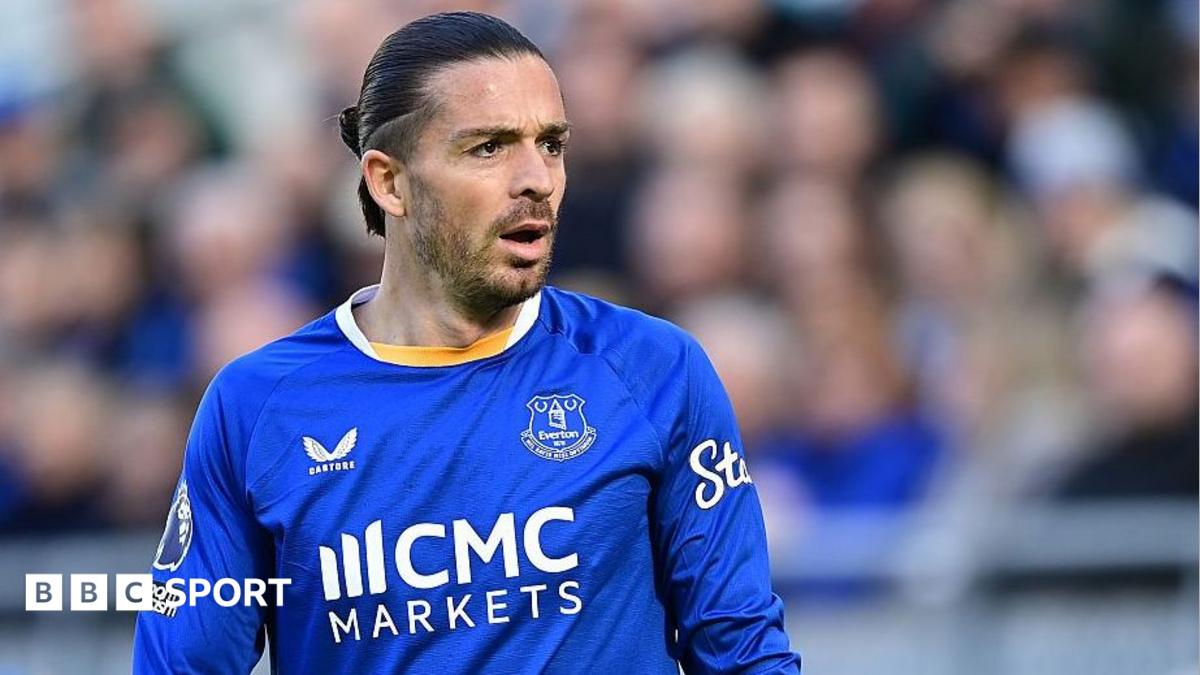
Consider Everton. Their new stadium at Bramley-Moore Dock is a £760m project that will eventually boost revenue. But in the meantime, PSR rules forced them to sell players and take a points deduction. The very investment that could secure their future became a millstone around their neck.
The case against PSR: it’s not about fairness, it’s about fear
The Premier League’s PSR regime is not a safeguard; it is a cartel enforcement mechanism. Here’s why:
- It punishes investment, not debt. Clubs are allowed to rack up debt (Manchester United’s £1bn is fine) but cannot invest in their squad without corresponding revenue. Everton’s overspend was on players, but their new stadium—a long-term asset—counts against them in the short term.
- It creates a two-tier system. Clubs with Champions League revenue have a buffer that others don’t. Newcastle, now backed by Saudi money, must navigate PSR while Manchester City’s 115 charges remain unresolved. The message is clear: if you’re already rich, you can break the rules; if you’re not, you’ll be made an example.
- It discourages ambition. Nottingham Forest, promoted in 2022, spent to survive and were docked points. The rules force newly promoted clubs to gamble on cheap imports rather than build a squad capable of staying up.
The result is a league where the same clubs qualify for Europe year after year, and everyone else fights for scraps. That’s not competition; it’s a closed shop.
But what about sustainability?
The counter-argument is seductive: PSR prevents clubs from going bust. Without it, we’d see more Bury, more Portsmouth, more Leeds. But the evidence doesn’t support this. Since PSR was introduced, clubs have still gone into administration—Wigan, Derby, Reading—while the biggest spenders have only gotten richer.
The real problem is not spending; it’s bad ownership. PSR treats the symptom (overspending) rather than the disease (owners who leverage clubs with debt). Everton’s ownership under Farhad Moshiri was chaotic, but the punishment falls on the fans and the team, not the owner who signed the cheques.
Moreover, the rules are applied inconsistently. Manchester City’s 115 charges have been under investigation for years, while Everton’s case was fast-tracked. The Premier League’s own governance is a shambles, and PSR is the blunt instrument it uses to look tough.
Verdict: A reckoning is coming, and it will be ugly
The Premier League’s PSR regime will not survive the next five years. Expect at least one club to challenge it legally, arguing restraint of trade. The Premier League will be forced to reform, likely moving to a salary cap or a more flexible system tied to owner investment. In the meantime, clubs like Everton will continue to be punished for trying to compete, while the elite sail on. The prediction: by 2028, the Premier League will have abandoned points deductions for PSR breaches in favour of fines and transfer restrictions, and at least one club will have successfully sued for lost revenue. The current system is unsustainable—financially and morally. The only question is how much damage it does before it collapses.
Related Articles
Filed under: Opinion | LA Premier League Home