
Newcastle's sense of injustice is valid; their solution is not.
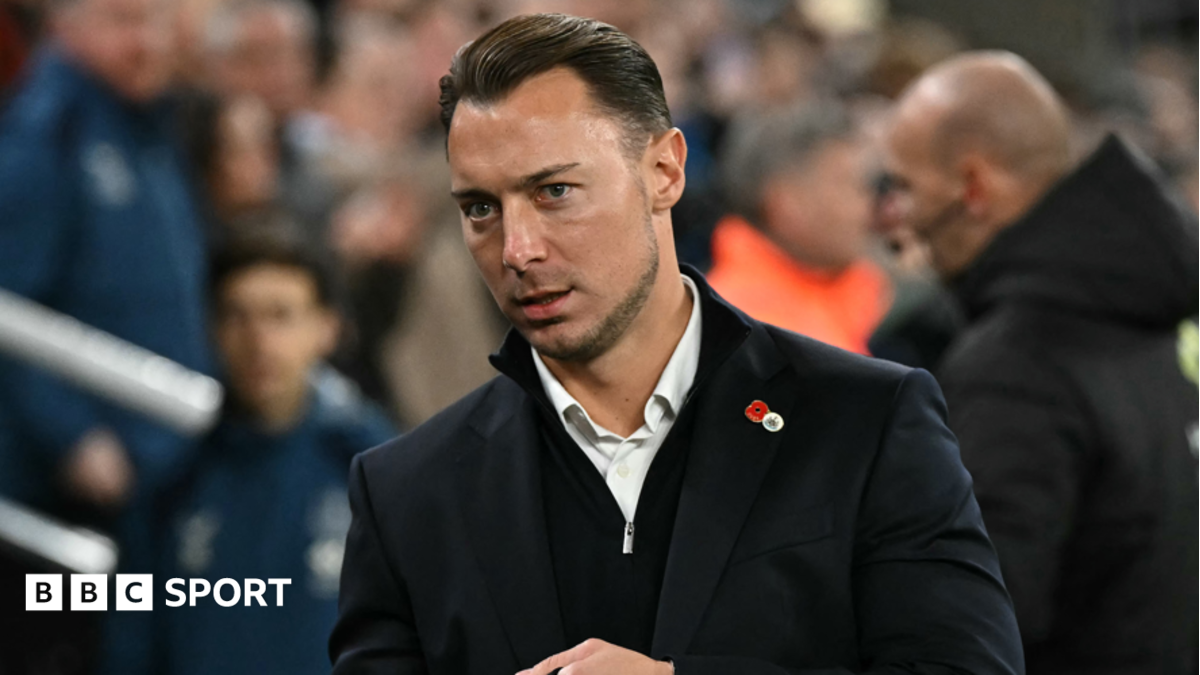
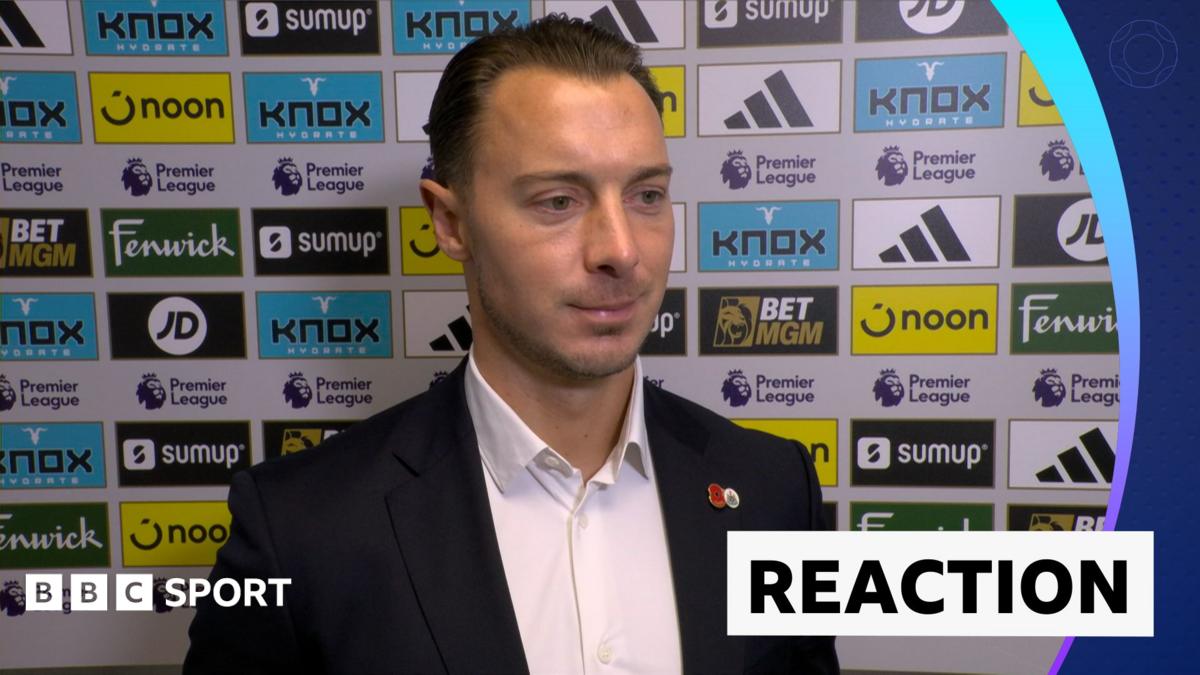
Matthias Jaissle was furious after Thierno Barry's winner at St James' Park, insisting referee John Brooks missed a clear foul on Fabian Schär. He is right. But the reflex to blame VAR is a distraction from the real culprit: a rulebook that makes consistency impossible and courage optional.
The long history of selective vision
Football has always had refereeing controversies. From Geoff Hurst's ghost goal in 1966 to Thierry Henry's handball in 2009, the game has been shaped by moments of human error. VAR was supposed to fix that. Instead, it has simply moved the error from the pitch to a booth in Stockley Park, where the same flawed judgment is applied with the added insult of slow-motion replays and lines drawn on a screen.
The Premier League has seen a litany of high-profile VAR failures: the disallowed Luis Díaz goal at Tottenham in 2023, the failure to send off Mateo Kovačić in the 2023 north London derby, the farcical penalty awarded to Newcastle against Wolves in 2022. Each time, the apology comes, the incompetence is acknowledged, and nothing structural changes. The pattern is not one of bad luck but of a system designed to protect itself.
The case against VAR as currently constituted
The problem is not technology per se; it is the application. The Premier League's version of VAR is a half-measure, a compromise between those who want robotic precision and those who value the flow of the game. The result is the worst of both worlds: long delays, inconsistent thresholds, and a culture of passing the buck.
- Subjectivity is not eliminated, just relocated. The overturning of Barry's goal would have required Stockley Park to deem Brooks' decision a 'clear and obvious error'. That threshold is so high that it protects referees from embarrassment rather than correcting genuine mistakes.
- The 'clear and obvious' test is a coward's charter. It allows VAR to ignore marginal fouls in the build-up, as with Schär, while intervening on offside calls that are millimetric. The inconsistency is baked in.
- Referees are not held accountable. Brooks will face no public sanction. Jaissle will be fined for his comments. The system protects its own at the expense of fairness.
Jaissle's complaint echoes those of dozens of managers before him. But his suggestion that VAR should have intervened ignores the fact that VAR did exactly what the rules allow: nothing. The rulebook says a foul must be 'clear and obvious' to be overturned. Schär's foul was arguably clear, but was it obvious? The ambiguity is the point.
The steel-man argument and its flaws
The defence of VAR rests on the claim that without it, refereeing errors would be even more costly. After all, the Díaz goal at Tottenham was a clear injustice. But the VAR apologists overlook that the same technology has created new injustices, and that the overall balance of fairness has not improved as much as claimed. Studies have shown that while some decisions are corrected, others are introduced. The net gain is marginal, and the cost in terms of flow and goodwill is severe.
Moreover, the argument that VAR ensures consistency is demonstrably false. The same foul in different games yields different outcomes. The PGMOL's own apologies confirm this. If the system cannot deliver consistency, it is merely adding bureaucracy to chaos.
The verdict: scrap VAR or reform it radically
The Premier League faces a choice: either remove VAR entirely and accept human error, or overhaul it completely by handing decisions to a separate, independent panel with clear, objective criteria and a lower intervention threshold. The current model is untenable. My prediction: before the end of the 2025-26 season, the Premier League will announce a significant reform package, including a reduced role for VAR on subjective calls and the introduction of audio feed for broadcasters. If they do not, the calls for its abolition will become too loud to ignore.
Related Articles
Filed under: Opinion | LA Premier League Home