
Financial Fair Play is Dead – The Premier League Now Runs on Creative Accounting
The Premier League's financial governance has descended into a theatre of absurdity, where the punishment for financial doping is a slap on the wrist while the real architects of instability – predatory owners and leveraged buyouts – continue to strip clubs bare with impunity. Welcome to the age of the ownership illusion, where points deductions are a convenient smoke screen for a system that rewards reckless spending and punishes fiscal prudence.
From Portsmouth to Bury: The Historical Precedents of Financial Mismanagement
For decades, English football's top flight has been a beacon of financial recklessness, yet the consequences have always been borne by the small, marginalised clubs. Portsmouth's 2010 administration and subsequent relegation was a warning shot, but the Premier League's elite merely shrugged, secure in their television money and global brand. The Football League, ever the poor relation, has seen the likes of Bury expelled and Macclesfield Town wound up, while the Premier League has only ever deducted points from one club – and that for entering administration, not for breaches of FFP.
The current crop of points deductions – be it Everton's two separate six-point penalties or Nottingham Forest's four-point sanction – are not signs of robust governance but symptoms of a rulebook that is both convoluted and toothless. The Premier League's spending rules, ostensibly designed to ensure clubs break even, have become a labyrinth of loopholes that savvy clubs and their accountants can navigate with ease. The result is a two-tier system: the rich can flout the rules with impunity, while the aspiring middle class is punished for daring to dream.
The Ownership Scandal: How Stadiums Become Pawns in a Financial Shell Game
At the heart of the Premier League's malaise lies a more insidious problem: the rise of leveraged ownership and the asset-stripping of club infrastructure. The recent furore over Tottenham Hotspur's £850m stadium refinancing deal is a case in point. Spurs, under ENIC, have transformed their matchday revenue into a financial fortress, but the terms of the deal – which reportedly saddles the club with debt serviced by future revenues – highlight a worrying trend: stadiums are no longer grounds for glory but collateral for global capital.
Manchester United offer another cautionary tale. The Glazer family's leveraged takeover in 2005 loaded the club with over £500m in debt, saddling it with interest payments that have exceeded £1bn in total. Their 'ownership' has been a masterclass in extraction, with dividends, management fees, and a share sale enriching the family while the club's infrastructure crumbles. The recent protest by fans against the Glazers and their partial sale to Sir Jim Ratcliffe underscores the deep-seated anger at an ownership model that treats the club as a cash cow, not a community asset.
- Tottenham's stadium refinancing: a model of financial engineering that prioritises debt servicing over squad investment.
- Glazer's United: a leveraged buyout that has seen over £1bn in interest payments haemorrhage from the club's coffers.
- The rise of state-backed ownership at Manchester City and Newcastle, where sovereign wealth funds can absorb losses that would sink traditional clubs.
The Counter-Argument: Are Points Deductions a Necessary Deterrent?
Defenders of the current system argue that points deductions are the only meaningful sanction available, as financial penalties would merely be absorbed by wealthy owners as a cost of doing business. They point to the FFP rules as a necessary brake on reckless spending, citing the collapse of clubs like Bury as proof of what happens without oversight. But this logic is flawed on two counts.
First, the Premier League's rules are not the same as the Football League's. The top flight has never had a club go bust during the Premier League era, precisely because of the parachute payments and television largesse that shield clubs from financial ruin. QPR, Portsmouth, and Leeds all overspent in the Premier League, yet they were merely relegated, not liquidated. The real danger lies not in overspending but in the structural inequalities that allow some clubs to spend £300m on players while others fight to survive on a fraction of that.
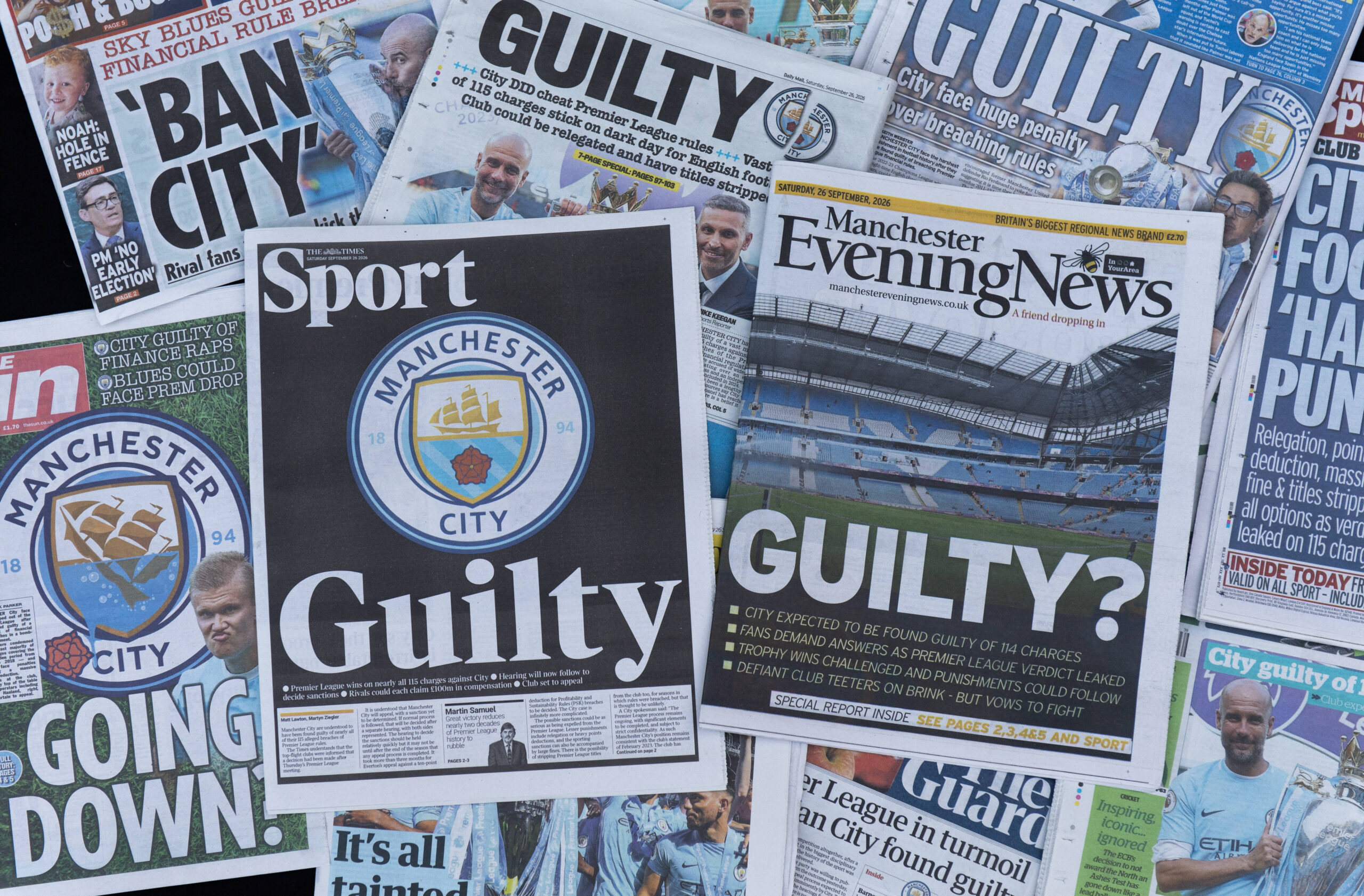
Second, the points deductions are uniformly applied to clubs that break the spending rules, irrespective of the source of their wealth or the nature of their debt. Everton, a club with a proud history, has been punished twice for exceeding allowable losses, yet Manchester City, with over 100 separate alleged breaches of financial rules, has escaped sanction for years due to the sheer complexity of the legal challenge. This is not justice; it is a legal quagmire where only the wealthiest can tie up the authorities in court.
The Verdict: A Call for Structural Reform or a Prediction of Precipitous Decline
Unless the Premier League adopts a fundamentally different approach – one that sanctions owners rather than clubs, and distinguishes between debt for infrastructure and debt for transfer fees – the current charade will only accelerate the concentration of power among the few. The independent regulator, slated to be introduced by 2025, offers a glimmer of hope, but it must have teeth. It must scrutinise owners' business models, cap debt-service ratios, and ensure that any club cannot be run on a model that separates the club's fortunes from its stadium's long-term sustainability.
My prediction: within the next three years, at least one Premier League club will enter administration due to the fallout from a leveraged ownership structure, forcing the league to impose a transfer embargo that will be as ineffective as the points deductions were. The clubs will survive – the television money ensures that – but the illusion that the Premier League is well-run will be shattered for good.
Related Articles
Filed under: Opinion | LA Premier League Home