
The Premier League's financial model is a Ponzi scheme wearing a suit
Football's cherished illusion of competitive balance is not just fraying—it's been shredded by the very clubs that cry foul when the rules bite. The Premier League's financial cold war, waged through shell companies, leveraged buyouts, and fake revenues, has turned the world's most watched league into a casino where the house always wins, and the chips are future generations of supporters.
From Manchester to Monaco: The Geography of Financial Skulduggery
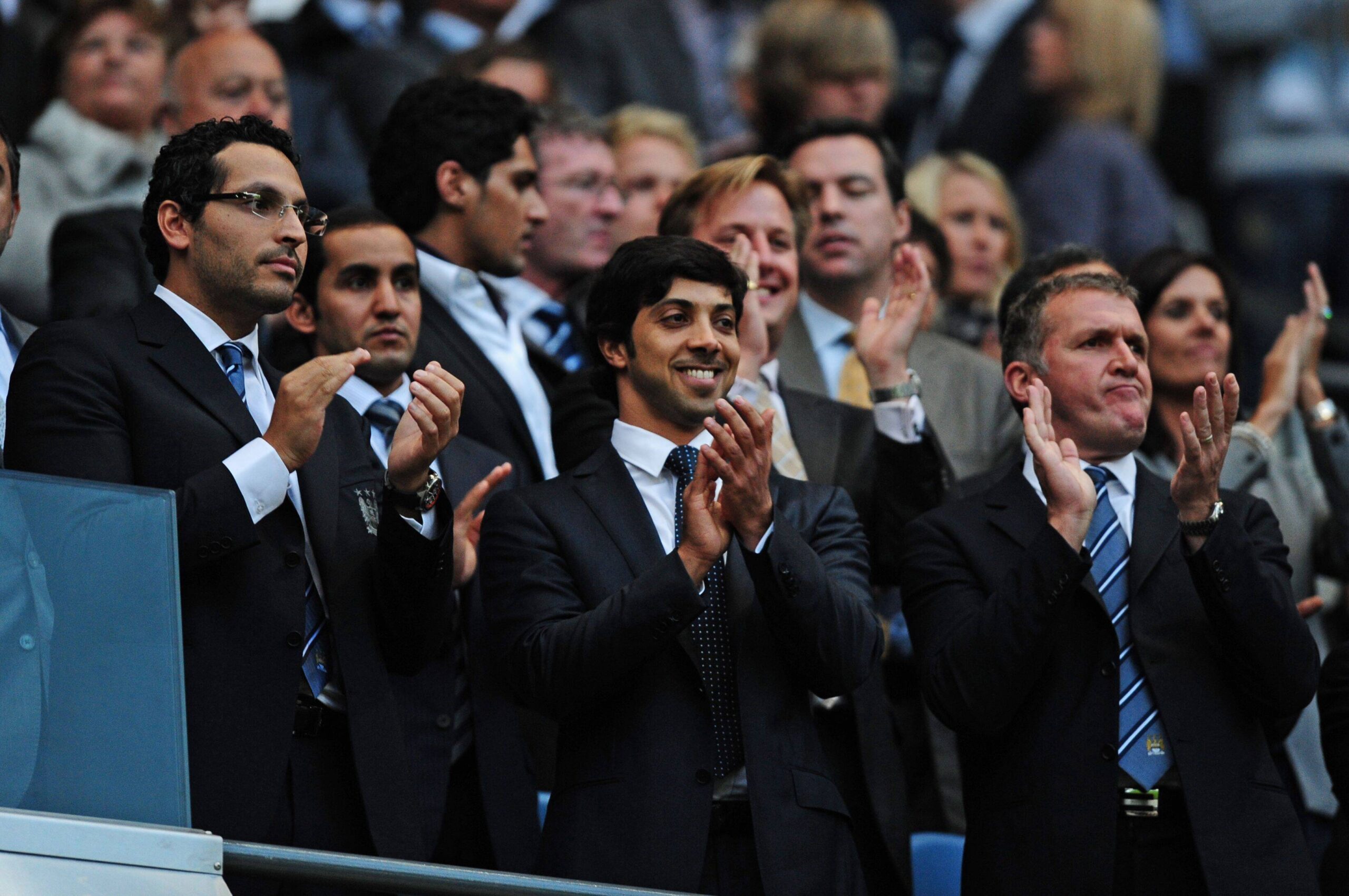
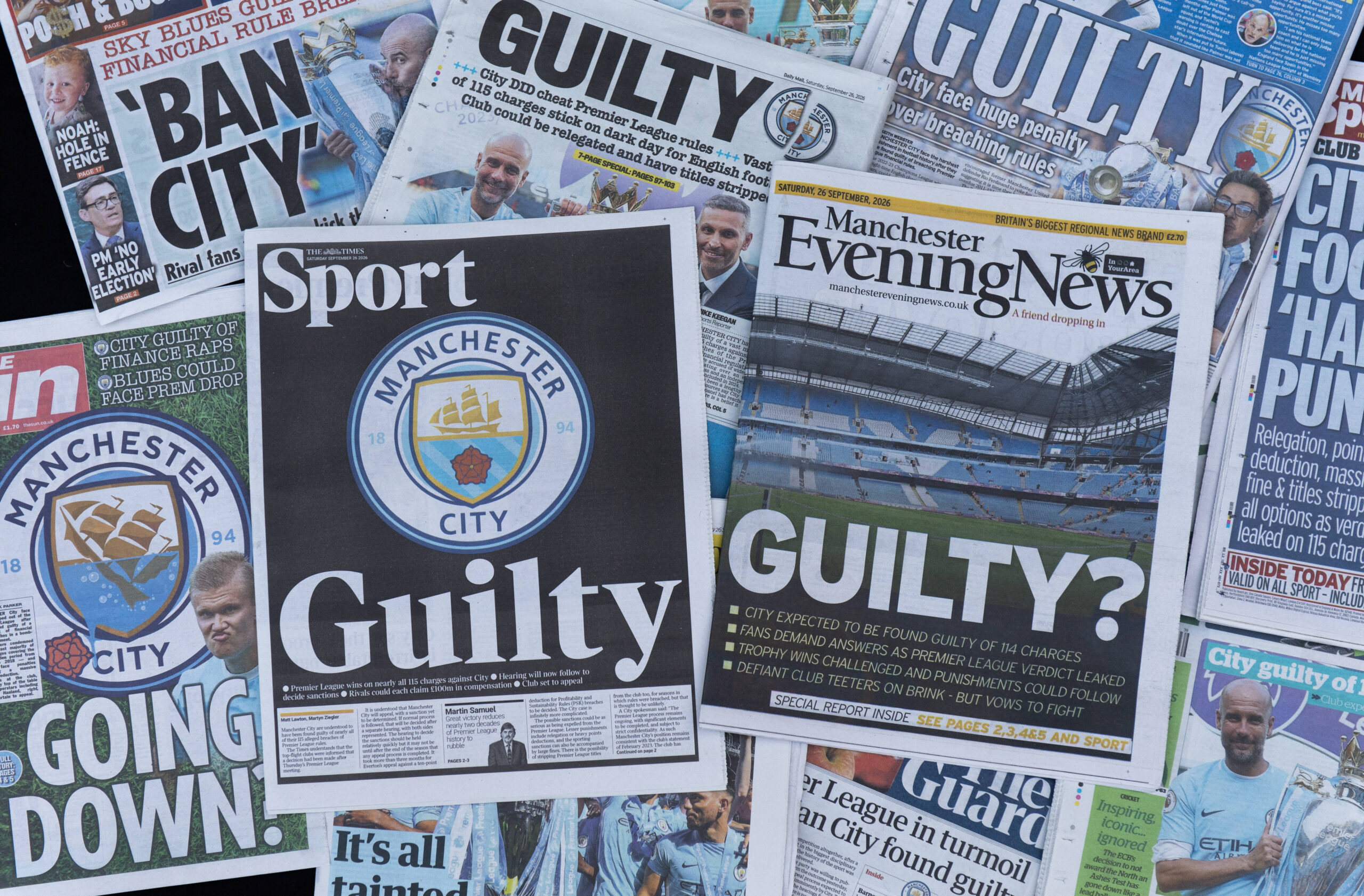
Manchester City's 115 charges for alleged financial breaches are not an anomaly but a symbol. They represent the logical endpoint of a system where sovereign wealth and creative accounting meet. Yet City's saga is merely the most brazen example. The stadium revenue arms race, where clubs like Spurs and Arsenal leveraged debts against future gate receipts, has created a fragile ecosystem. Arsenal's £390m stadium debt, serviced while ticket prices soared, is the original sin that normalised treating clubs as real estate ventures rather than communities. Compare with the cautionary tale of Portsmouth, whose 2010 administration after years of overspending remains a scar that the league's preferred narrative of 'sustainability' conveniently ignores.
The argument: FFP is a farce because it punishes ambition while rewarding inherited wealth
Financial Fair Play was sold as protect-the-clubs from themselves. Instead, it has fossilised the elite. The rules cap losses based on revenue, but revenue itself is the problem—teams with global brands and stadium gates outmuscle provincial challengers before a ball is kicked. Aston Villa's £100m+ losses in last seasons would have drawn sanctions had they not been artfully managed. But the Premier League's 'Profit and Sustainability' rules allow owners to inject equity for infrastructure, a loophole Chelsea has driven a bus through with their £1bn transfer spree funded by off-balance-sheet vehicles. The result? A closed shop where the 'big six' rotate titles while the rest scavenge for crumbs. The list of casualties is damning:
- Everton's two points deductions in 2023-24 for breaching PSR, while their new stadium costs balloon to £760m, show how the rules punish honest mismanagement but ignore the wealthy's gambits.
- The £65m loan-note culture exemplified by Chelsea's transfers, which defer payments to future seasons, is financial doping dressed as accounting prudence.
- Manchester United's £650m debt, serviced by fans through ticket rises, is celebrated as 'commercial nous' while a club like Blackburn (champions in 1995) now fights in the Championship because tycoon owners walked away.
Counter-argument: The defenders' desperate plea for 'regulation'
Defenders of the status quo argue that FFP and PSR prevent an impending apocalypse—clubs spending beyond their means and collapsing, as happened to Rangers and Parma. They point to UEFA's monitoring and the Premier League's 'independent regulator' plans as proof of self-correction. True, unchecked spending without revenue growth is reckless. But this fear is weaponised by the establishment to maintain its grip. The real catastrophe is not clubs overspending—it's the systemic inequality that makes overspending the only path for challengers. When a newly promoted Ipswich, with a wage bill a tenth of Liverpool's, tries to compete by pressing high, they are not 'suicidal'—they are forced into risk by an economic gulf that no 'sustainability' rule can bridge. The Premier League sees itself as a meritocracy, yet it is a rigged market where the owner's wealth, not sporting merit, decides survival.
Verdict: The bubble bursts when the next recession pricks it
The Premier League's financial model is heading for its 2008 moment. The next global economic downturn, or a single sovereign fund deciding football is no longer a worthwhile bauble, will expose the charade. My prediction: within three seasons, one of the 'big six' will record a pre-tax loss exceeding £200m, triggering a fire-sale of players and a failure to meet UEFA's break-even rules, leading to a Champions League ban. The league will then scramble to implement a 'luxury tax' or 'salary cap' modelled on the NFL—but it will be too late to save the clubs that have already been hollowed out. The cold war will end not with a negotiated peace, but with a financial neutron bomb that leaves the stadiums standing while the sport's soul lies in ruins.
Related Articles
Filed under: Opinion | LA Premier League Home