
The stadium is not an asset; it's a hostage
When Roman Abramovich bought Chelsea in 2003, he inherited Stamford Bridge as a liability, not a revenue stream. The ground is constrained, ageing, and surrounded by residential streets that make expansion a planning nightmare. Yet Abramovich never attempted the trick now fashionable among Premier League owners: selling the stadium to themselves.
In the past five years, Manchester United, Liverpool, Arsenal, and Tottenham have all engaged in variations of the same financial pantomime — selling their stadiums to related entities, booking a profit, and claiming compliance with Profitability and Sustainability Rules (PSR). It's not innovation; it's institutionalised self-dealing dressed up as prudent management.
When the ground became a piggy bank
The precedent was set in 2004 when Arsenal moved to the Emirates, but the real damage began with Manchester United under the Glazers. They loaded the club with debt, and when interest payments ballooned, they turned to the stadium as a cash machine. In 2019, United 'sold' Old Trafford to themselves via a subsidiary, raising £200 million against future revenues. Liverpool followed in 2021, selling Anfield to a related holding company for £110 million. Tottenham used a similar structure to fund their new stadium—but at least they built something.
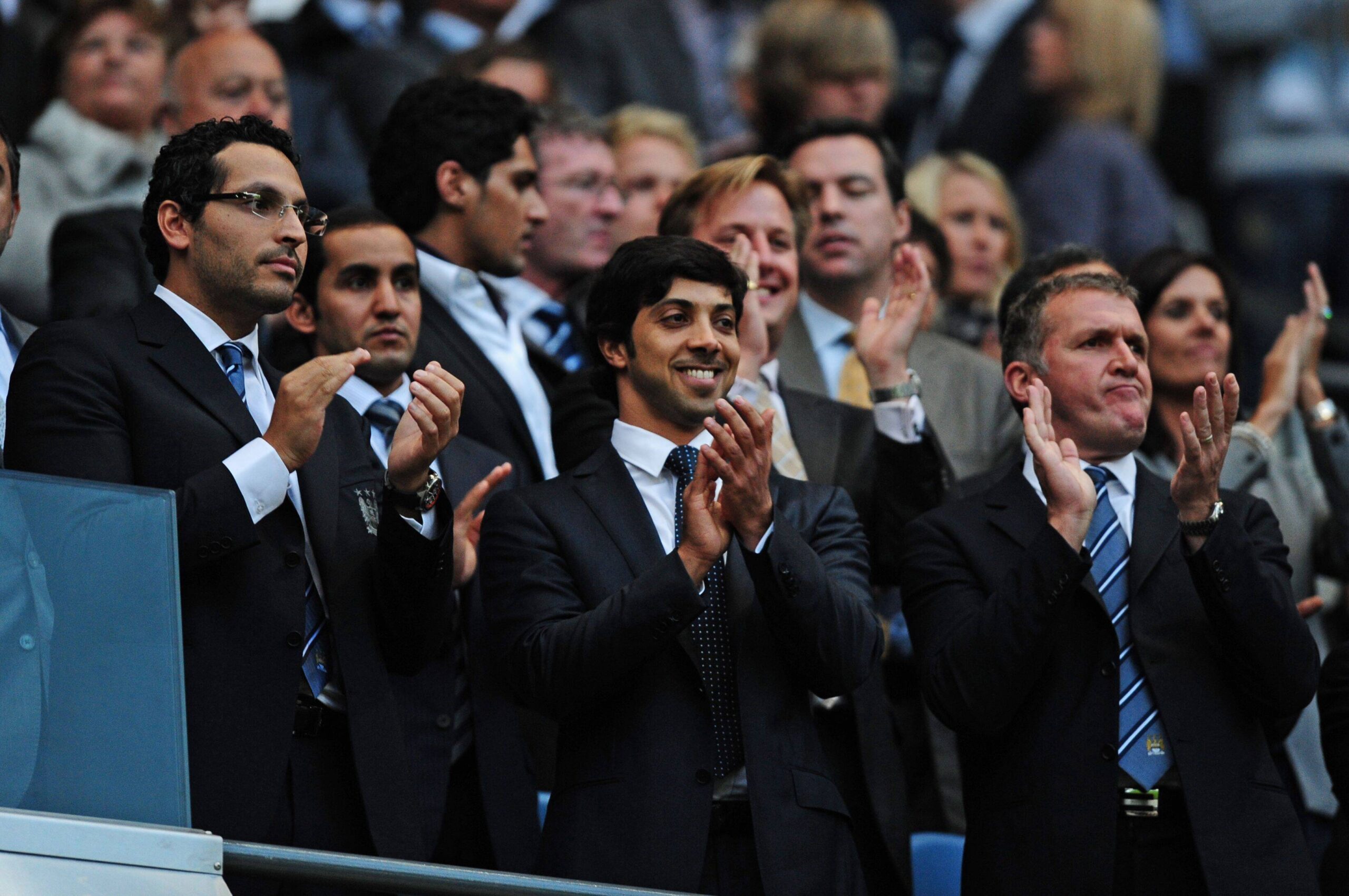
Manchester City have perfected the art. Their owners use related-party loans and stadium sponsorship deals from state-linked entities like Etihad Airways. City's accounts show that matchday revenues have stagnated, yet their commercial income has multiplied beyond any plausible organic growth. In 2014, City announced a £350 million, ten-year extension of the Etihad naming rights—a deal that would have made the stadium the most valuable in world football, despite no open bidding being observed.
The Premier League's response? A dressing-down in private, then a rule change that allowed related-party transactions if deemed 'fair market value.' Unsurprisingly, the league has never once concluded that a club cheated on valuation.
This is not creative accounting; it's fraud adjacent
But strip away the euphemisms. Selling a stadium to a company you control is not a genuine transaction—it's a sleight of hand. Under UPPC rules, you could book the sale profit immediately, which boosts your bottom line and PSR headroom. Meanwhile, you lease the stadium back at a high rent, increasing annual costs, but those costs are spread over years. The immediate benefit dwarfs the long-term pain, especially when your club is chasing a Champions League spot and needs to buy players today.
- In 2022, Chelsea sold two hotel properties adjacent to Stamford Bridge to a subsidiary for £76 million—then booked a £76 million profit. The team that finished 12th was suddenly PSR-compliant enough to spend £600 million in the following season.
- Everton's new stadium at Bramley-Moore Dock has been financed through £400 million of loans, some of which are secured against the land. The club's owner, Farhad Moshiri, has repeatedly injected cash via share purchases—but shares in a loss-making enterprise are not worth the paper they're printed on.
- Tottenham's stadium debt of £600 million means that a significant share of matchday revenue goes to interest payments rather than transfers. Yet the club proudly reports record revenues, masking the fact that those revenues are already spoken for.
"But it's legal" — and so was taking a bribe in 1919
The apologist's argument runs thus: the Premier League's rules explicitly permit related-party transactions if the price is independently assessed as fair. The clubs hire Big Four auditors to rubber-stamp the valuations. The league itself signs off on the deals. Where's the harm?
The harm is that this erodes the fundamental principle of FFP: that clubs must be sustainable based on genuine football revenues. Matchday income, broadcast money, and commercial deals with unrelated parties are real. A self-dealing transaction where a club sells its own ground to a company owned by the same figure is not real—it's a circular motion. It allows owner to lend money to the club, then collect interest from the club, then book the interest as a cost against PSR, all while inflating revenues on the other side. The result? Clubs can spend money they don't have on players they can't sustain.
The PSR rules are a sieve. In 2010, FIFA were forced to ban third-party ownership because clubs were using financial engineering to gain unfair advantage. The Premier League is now complicit in a similar but legalised version—determined to keep the money flowing rather than ensure competition is fair.
Expel the finance directors and let truth be told
What should happen? The Premier League must force clubs to consolidate related-party entities into their reported accounts. Full consolidation would mean that the profit from selling a stadium to yourself is eliminated, because you're just moving money from one pocket to another. It would also capture the debt taken on by the stadium-owning entity—millions that currently sit off the balance sheet like toxic waste.
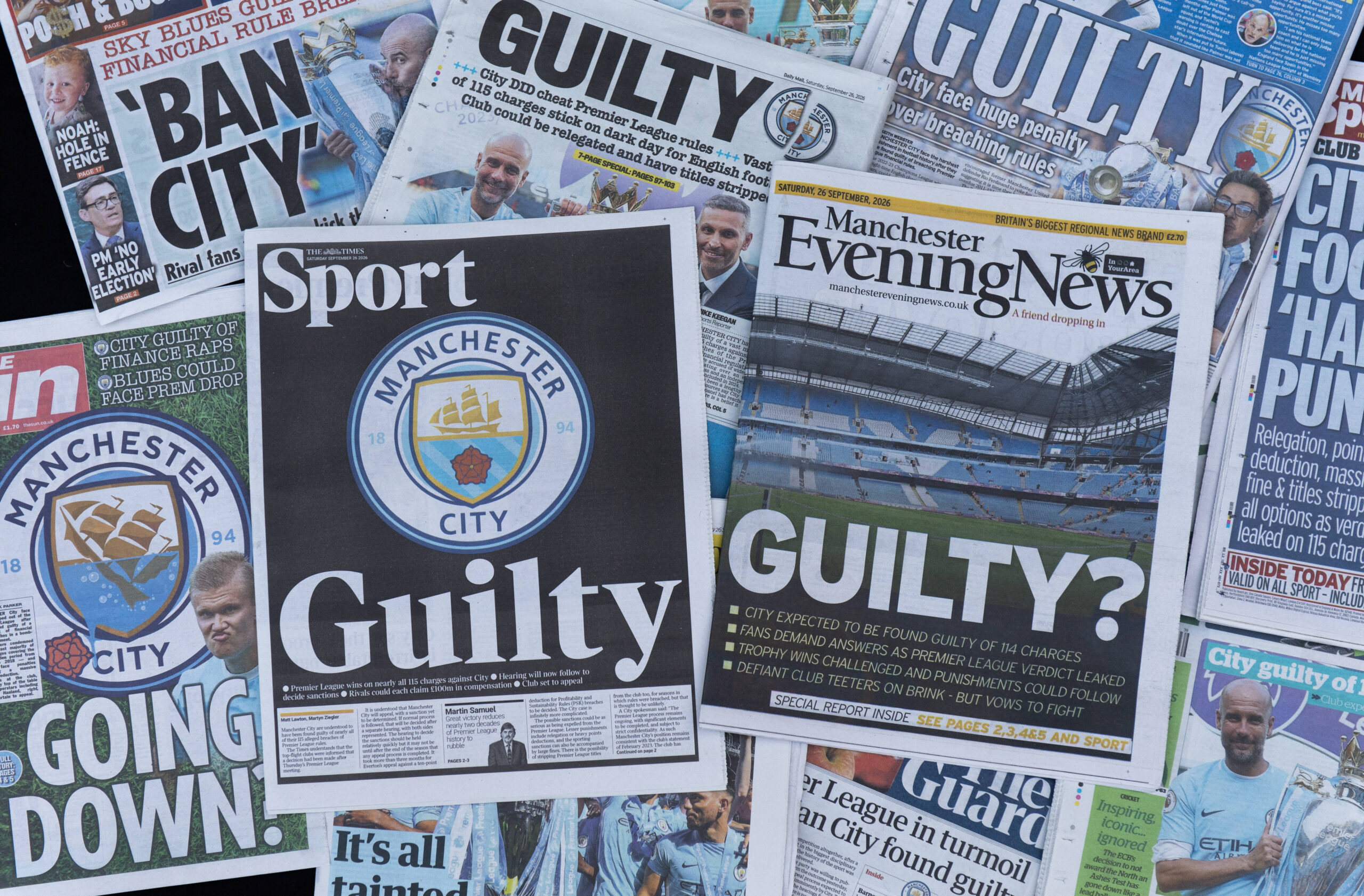
If a club cannot comply, it should be barred from European competition, as UEFA have threatened Manchester City for years. And if the league lacks the spine to enforce this, independent regulation—a football regulator with teeth—is inevitable. The fans deserve to know their club's true financial position, not the Enron-style fiction cooked up by accountants.
The bubble will burst, and soon
Interest rates are rising. The era of cheap money that financed these self-dealing schemes is over. When the next stadium deal is signed, it will be at a higher cost, and the house of cards will wobble. My prediction: within three years, at least one Premier League club will be found to have breached PSR because their stadium sale profit was discounted by an independent audit, sparking a relegation battle fought in the courts rather than on the pitch.
That club will be a recent promoter who sold their ground to their own owner to scramble through the final financial year. Watch for a club like Luton Town or Bournemouth—they've already shown the ambition to outrun their revenues. When the wind changes, the parachute won't open.
But by then, the big six will have already turned their stadiums into ATMs, and the game's governing bodies will tut and pass another toothless rule. The theatre of English football will continue, but the foundations are unsound. Wake me when the implosion begins.
Related Articles
Filed under: Opinion | LA Premier League Home