Premier League Matches Are Finishing Earlier: The New Time-Wasting Crackdown
The Premier League has introduced a tougher stance on time-wasting, and the impact is clear: matches are now finishing closer to the 90-minute mark than in recent seasons. This shift is altering how teams manage restarts, substitutions, and injuries, with significant implications for the flow and outcome of games.
Why Matches Are Shorter Now
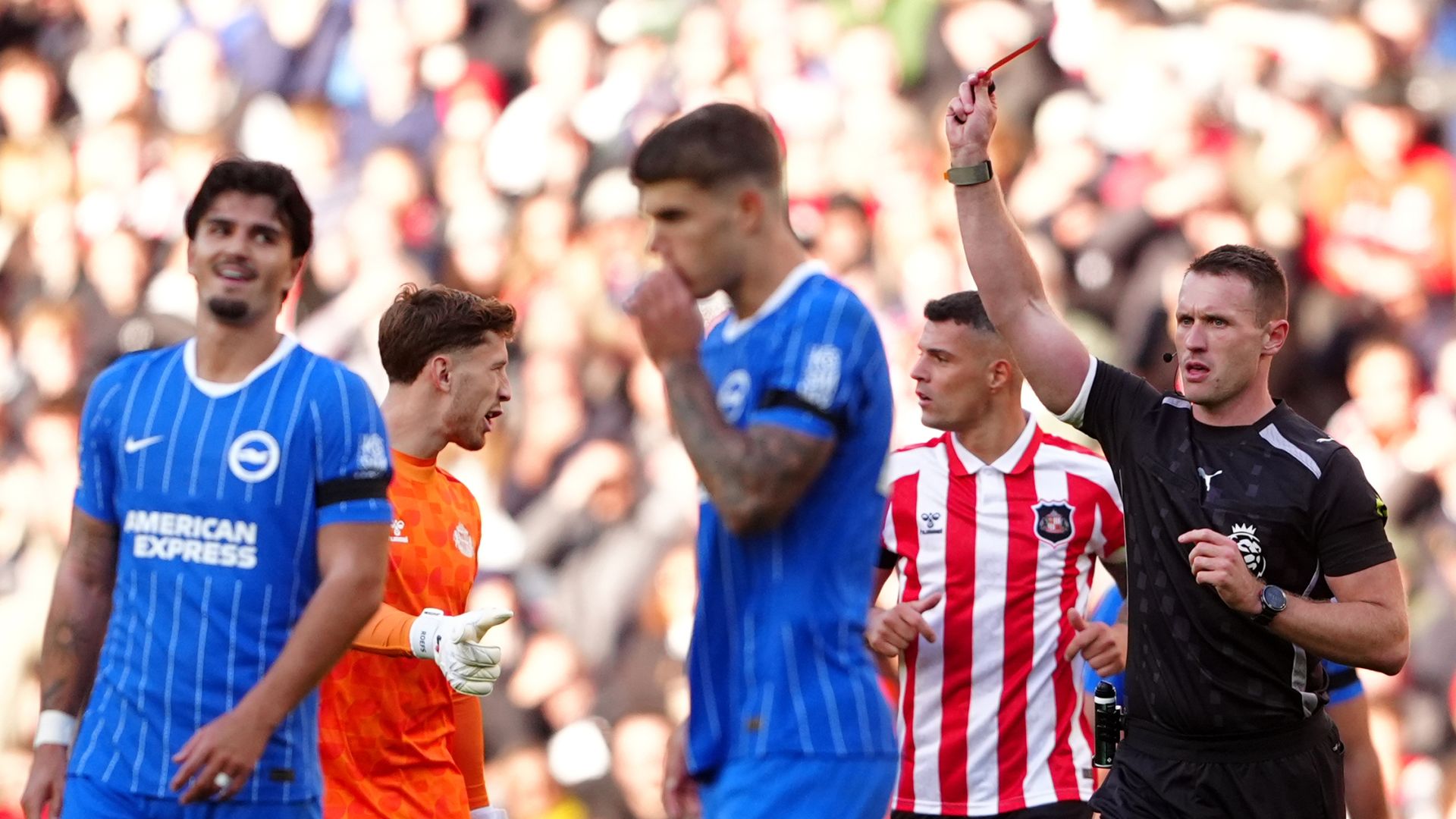
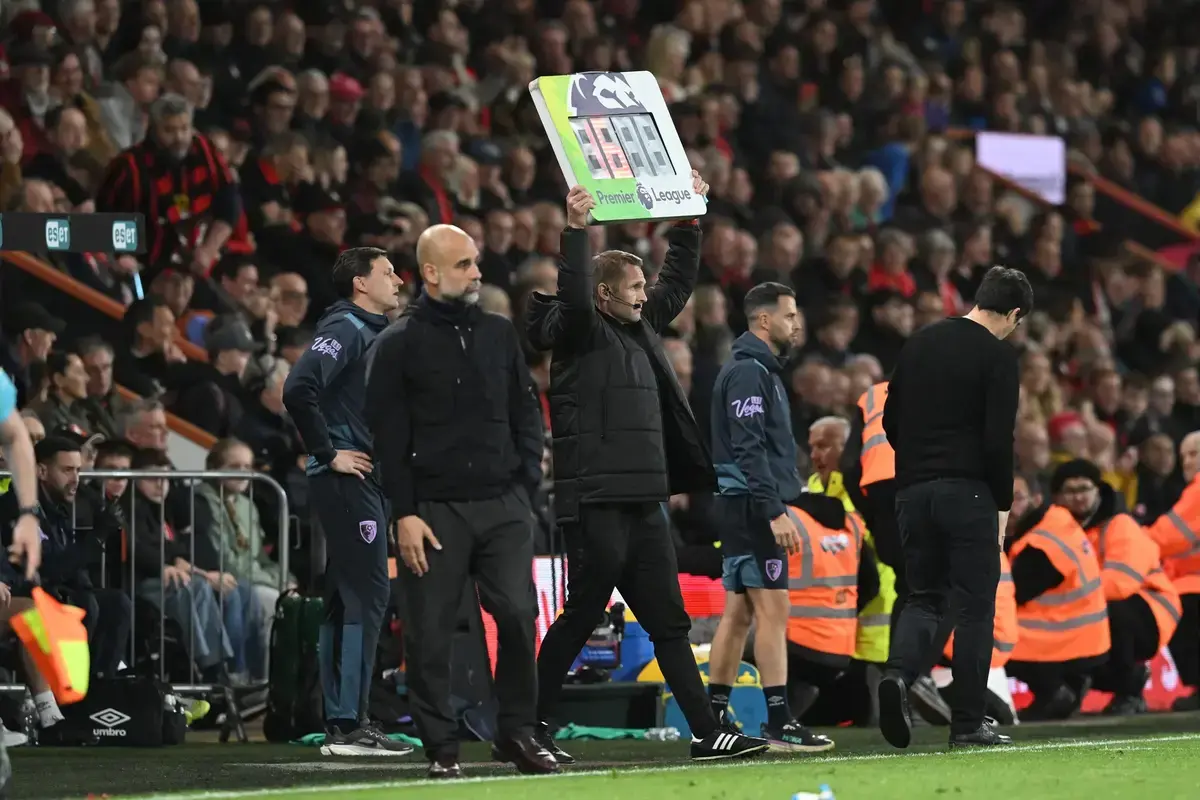
For years, Premier League fixtures routinely stretched beyond the 100-minute mark, with excessive time-wasting a common complaint. However, a new directive from referees has clamped down on deliberate delays. Players who dawdle over goal kicks, throw-ins, or substitutions are now being booked more readily, and stoppage time is being calculated more strictly.
According to the latest data, average match duration has dropped noticeably this season. The change means that the ball is in play for a higher proportion of the game, rewarding teams that maintain a high tempo. Managers who previously encouraged their sides to slow the game down are having to rethink their approach, as the usual tricks no longer yield the same benefits.
Tactical Adjustments and Managerial Response
This new emphasis on efficiency is prompting tactical adjustments across the league. Teams that rely on slowing the pace to protect a lead are particularly affected. For example, sides that used to take their time over goal kicks or substitutions to kill momentum are now forced to keep the game moving, which can leave them more exposed defensively.
On the flip side, teams that favour a fast, pressing style are thriving. The extra ball-in-play time suits high-energy systems, as opponents have less chance to regroup. Managers are also adapting their substitution strategies, ensuring that changes are made quickly to avoid disciplinary action. The impact is particularly evident in matches between evenly matched sides, where the margin for error is smaller.
Implications for the Title Race and Relegation Battle
The change is having a ripple effect on the standings. In the early weeks of the season, the average points per game has increased for teams that dominate possession, while those that previously benefited from slowing the game down are dropping more points. This could be a deciding factor in a tight title race or a congested relegation scrap.
Clubs at the bottom are often forced to defend deep and run down the clock. Without that tool, they may find it harder to hold onto leads or secure draws. Conversely, the stronger teams, who usually have more of the ball, will welcome a rule that keeps the game flowing. There is an argument that this will lead to more goals, as tired defenders are forced to do more work than they would have in previous seasons.
Key Changes to Watch
- Goal kicks: Teams are taking less time over goal kicks, with a stricter time limit being enforced.
- Substitutions: Players leaving the pitch are now required to do so promptly, and those coming on must be ready to enter immediately.
- Injuries: Feigning injury is less lucrative, as referees are adding on the exact time lost, rather than giving a generous allocation.
What This Means for Fantasy Premier League
Fantasy Premier League managers should take note of the shift. With matches having more effective playing time, attacking players, especially those in high-pressing teams, could see increased returns. The data suggests that more goals are being scored in the final 15 minutes of games, as tired defences are less able to cope with the pace. This might make premium midfielders and forwards even more valuable, while defenders in teams that sit deep could see their clean sheet potential diminish.
Looking Ahead: A New Era of Efficiency
The Premier League's experiment is still in its infancy, but the early signs are that it is here to stay. The message from the officials is clear: time-wasting will not be tolerated. As the season progresses, we can expect to see teams adapt further, with more emphasis on quick restarts and a faster pace of play.
The change has been largely welcomed by neutrals, who want to see more football and less staring at goalkeepers holding onto the ball. However, it will be interesting to see how managers react when the stakes are highest, especially in tight relegation six-pointers or cup finals. The old adage that "the game is 90 minutes" has never been more apt, as the Premier League bids farewell to the 100-minute marathon and embraces a more efficient spectacle.
Related Articles
Filed under: Latest News | LA Premier League Home