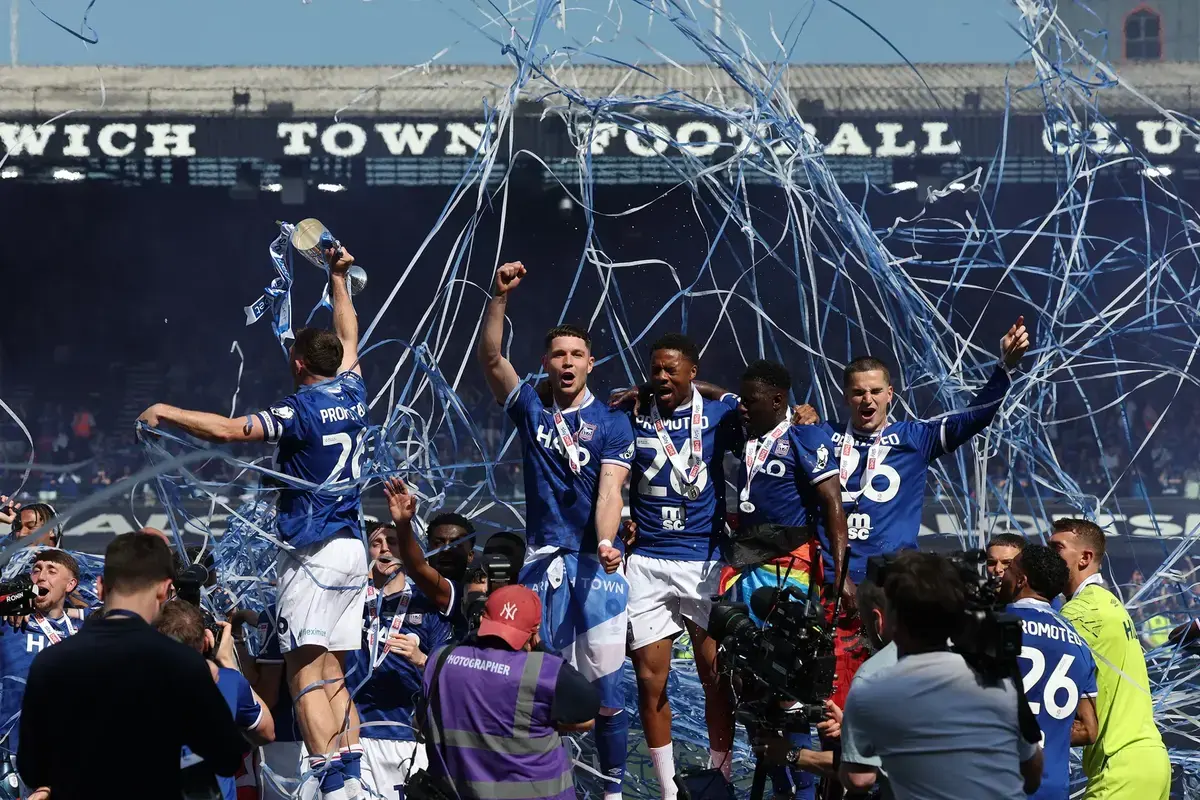
Premier League 2026/27: Ipswich the smallest place represented as Coventry, Hull and Ipswich replace West Ham, Burnley and Wolves
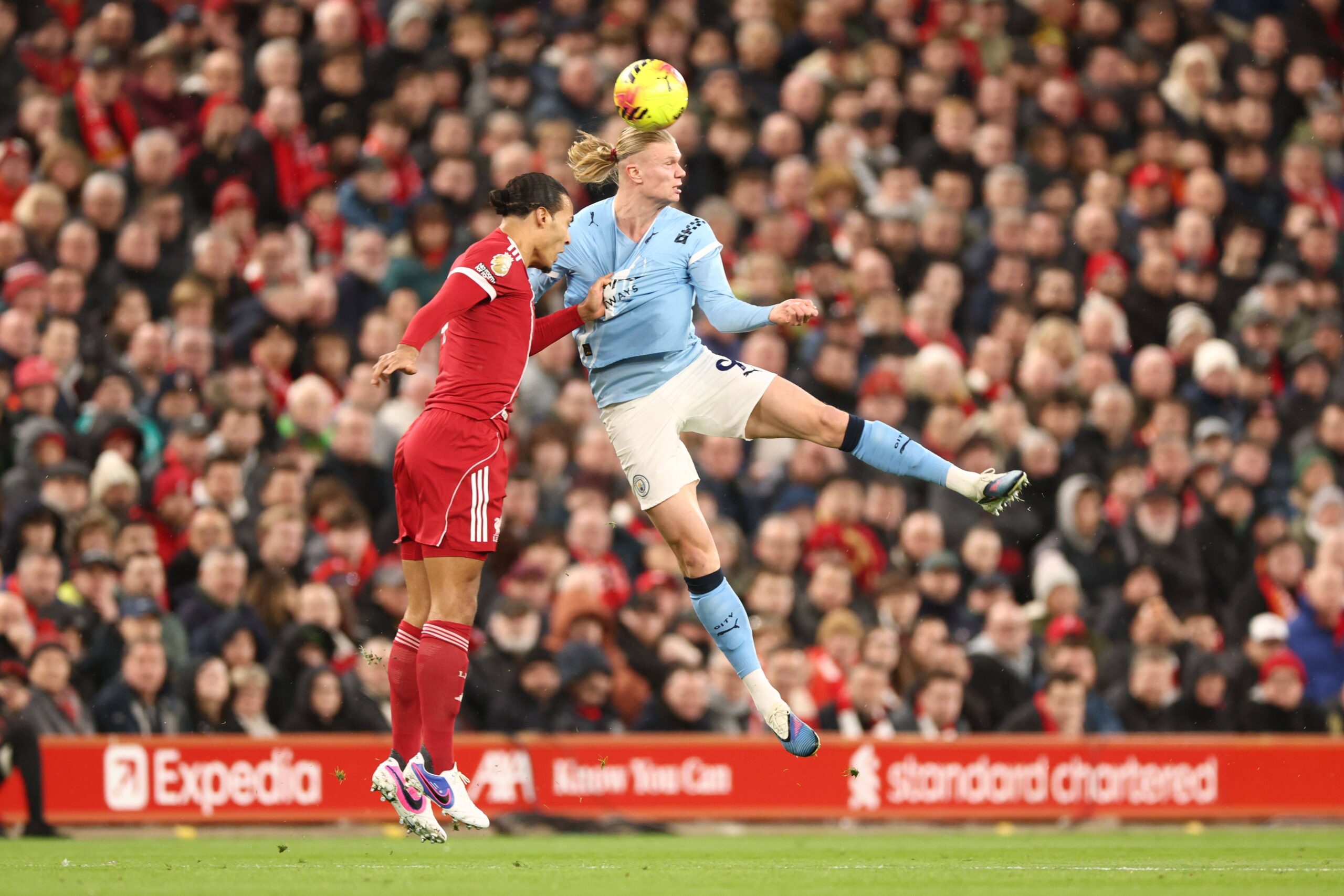
The 2026/27 Premier League pits Ipswich, population 130,000-140,000, against London, Manchester and Birmingham. Coventry City, Hull City and Ipswich Town replace West Ham United, Burnley and Wolverhampton Wanderers, with six clubs in Greater London and two each in Liverpool and Manchester.
- Competition: 2026/27 Premier League season
- Promoted clubs: Coventry City, Hull City and Ipswich Town
- Relegated from 2025/26: West Ham United, Burnley and Wolverhampton Wanderers
- Smallest settlement: Ipswich, approximately 130,000-140,000
- London clubs: Six, including Arsenal, Brentford, Chelsea, Crystal Palace, Fulham and Tottenham Hotspur
- Two-club cities: Liverpool (Liverpool, Everton) and Manchester (Manchester City, Manchester United)
The numbers
- Ipswich: roughly 130,000 to 140,000, depending on the boundary used
- Bournemouth: around 185,000 in the settlement itself, with a far larger wider Bournemouth, Christchurch and Poole area
- Sunderland: approximately 170,000 in recognised urban population
- Brighton and Hove: approaching 280,000 within local authority boundaries
- Hull: approximately 260,000
- Newcastle upon Tyne: approximately 290,000 within the city boundary
- Vitality Stadium capacity: a little over 11,000
- Amex Stadium capacity: approximately 32,000
Why comparing population is harder than it looks
The source article stresses that population figures shift depending on whether the measurement uses a city boundary, local authority, built-up area or wider metropolitan region. Bournemouth is the clearest example: around 185,000 in the settlement itself, but far larger when the Bournemouth, Christchurch and Poole area is counted. Anyone making these comparisons should use the same geographic definition and dataset throughout.
The 2026/27 division contains 20 clubs but not 20 separate cities. Six are based in Greater London, and both Liverpool and Manchester contain two Premier League clubs. That clustering shapes catchment areas, local rivalries and commercial competition. It also explains why a medium-sized city such as Brighton can function as the leading football institution across an entire county, while London clubs share supporters and sponsorship attention with neighbours.
Ipswich: the smallest community represented
Ipswich is the smallest principal settlement represented when comparing the recognised towns and cities associated with each club. At roughly 130,000 to 140,000, the Suffolk town is significantly smaller than the major metropolitan centres elsewhere in the division. Ipswich Town are not one of several elite sporting institutions competing for attention across a huge urban region; they are an important source of identity for the town and the surrounding county.
That relationship helps the club attract support beyond the immediate urban boundary. Its realistic catchment area stretches across substantial parts of Suffolk, giving Ipswich greater regional reach than the town’s population alone suggests. Portman Road also sits close to the centre of Ipswich, strengthening the connection between club and town: matchdays bring supporters directly into surrounding streets, businesses and transport networks.
Bournemouth: small city, Premier League presence
Bournemouth is another of the smallest places represented in the Premier League. The settlement has a population of around 185,000, although the wider Bournemouth, Christchurch and Poole area is considerably larger. AFC Bournemouth also play at the smallest stadium in the division, with the Vitality Stadium holding a little over 11,000 spectators, far below the capacities of most Premier League grounds.
That limited capacity can create a misleading impression of the club’s support. Bournemouth exist within a wider south-coast urban area containing a substantial population, but the size of the stadium restricts the number of people who can attend. It also limits matchday revenue; while larger clubs can sell 50,000 or 60,000 tickets for every home fixture, Bournemouth must compete with a smaller gate. Remaining competitive despite that disadvantage has been one of the club’s greatest achievements, showing how recruitment, coaching and long-term planning can allow a small-stadium club to survive against organisations with much larger commercial resources.
Sunderland: a smaller city with an enormous football identity
Sunderland has a recognised urban population of approximately 170,000, although the wider local authority area and regional catchment are substantially larger. Sunderland cannot be understood through the city figure alone. The Black Cats draw supporters from across Wearside and parts of the wider North East, and their Stadium of Light is capable of holding a crowd far greater than the population ranking might initially suggest.
This creates an important distinction between population and football culture. A city does not need to be among England’s largest to sustain large attendances; it needs a strong historical relationship between the club, the community and the surrounding region. In Sunderland, football forms a major part of civic identity, and the club’s fortunes influence the mood of the city in a way that is less common in places containing several Premier League teams.
Brighton and Hove: one club serving a wider region
Brighton and Hove has a population approaching 280,000 within its local authority boundaries, and Brighton & Hove Albion also draw support from a much wider area across Sussex. Unlike London, Manchester or Liverpool, the surrounding region does not contain another major Premier League club competing directly for local attention. That provides Brighton with a potentially large catchment despite the city’s medium-sized population.
The Amex Stadium is located at Falmer, away from the traditional city centre. Its capacity of approximately 32,000 gives Brighton significantly more matchday potential than Bournemouth despite both clubs representing southern coastal areas. Brighton’s growth illustrates how the identity of a Premier League club can expand: the club represents the immediate city but also functions as the leading football institution for a wider county.
Hull: a distinctive regional club
Kingston upon Hull, commonly known as Hull, has a population of approximately 260,000. That places it above Bournemouth, Ipswich and Sunderland when comparing core settlements, but below the Premier League’s major metropolitan centres. Hull City returned to the Premier League for 2026/27, bringing the MKM Stadium back into the top flight.
Hull’s geographic position gives the club a distinctive regional role. It is separated from many of England’s traditional football centres and serves a community extending across the city and parts of the East Riding of Yorkshire. The city also has a major rugby league tradition, meaning Hull City operate in a sporting market where football is important but not completely dominant. Their Premier League presence demonstrates that elite football is not restricted to the largest or wealthiest English cities.
Newcastle: one club at the heart of the city
Newcastle upon Tyne has a population of approximately 290,000 within the city boundary, although the wider Tyneside conurbation is much larger. Newcastle United possess one of the closest relationships between club and city in the Premier League. St James’ Park stands in the centre of Newcastle rather than on its outskirts, making the club physically visible across the city and integrating matchdays directly into central Newcastle.
Newcastle also benefit from being the dominant major club across a large regional catchment. Sunderland provide the historic local rivalry, but Newcastle United do not share their immediate city with another professional team of comparable scale. This is very different from London, where several clubs compete for supporters, commercial attention and local media coverage.
Talking points
- Ipswich’s 130,000-140,000 population makes them the smallest settlement in the division, yet Portman Road’s town-centre location gives the club a matchday presence that larger, out-of-town venues cannot match.
- Bournemouth’s Vitality Stadium holds a little over 11,000, so every home matchday revenue ceiling is lower than rivals selling 50,000 or 60,000 tickets. Recruitment and coaching must compensate.
- Brighton’s Amex capacity of approximately 32,000 and county-wide catchment show how a medium-sized city can support a club with far greater matchday potential than its population alone implies.
- Six London clubs and two each in Liverpool and Manchester mean those cities’ clubs share local attention and commercial space, unlike Newcastle, Sunderland or Hull.
What happens next
The 2026/27 Premier League season will show whether Ipswich, Coventry City and Hull City can turn regional identity into top-flight survival. Promoted clubs face immediate pressure to compete with established metropolitan powers, and the opening fixtures will reveal how much catchment size matters when points are at stake.
Frequently asked questions
What is the smallest place represented in the 2026/27 Premier League?
Ipswich is the smallest principal settlement represented when comparing the recognised towns and cities associated with each club, with a population of roughly 130,000 to 140,000 depending on the boundary used.
Which clubs were promoted to the Premier League for 2026/27?
Coventry City, Hull City and Ipswich Town were promoted for 2026/27, replacing West Ham United, Burnley and Wolverhampton Wanderers.
How many Premier League clubs are based in London for 2026/27?
Six clubs are based in Greater London, while Liverpool and Manchester each contain two Premier League clubs.
Related Articles
Filed under: Latest News | LA Premier League Home