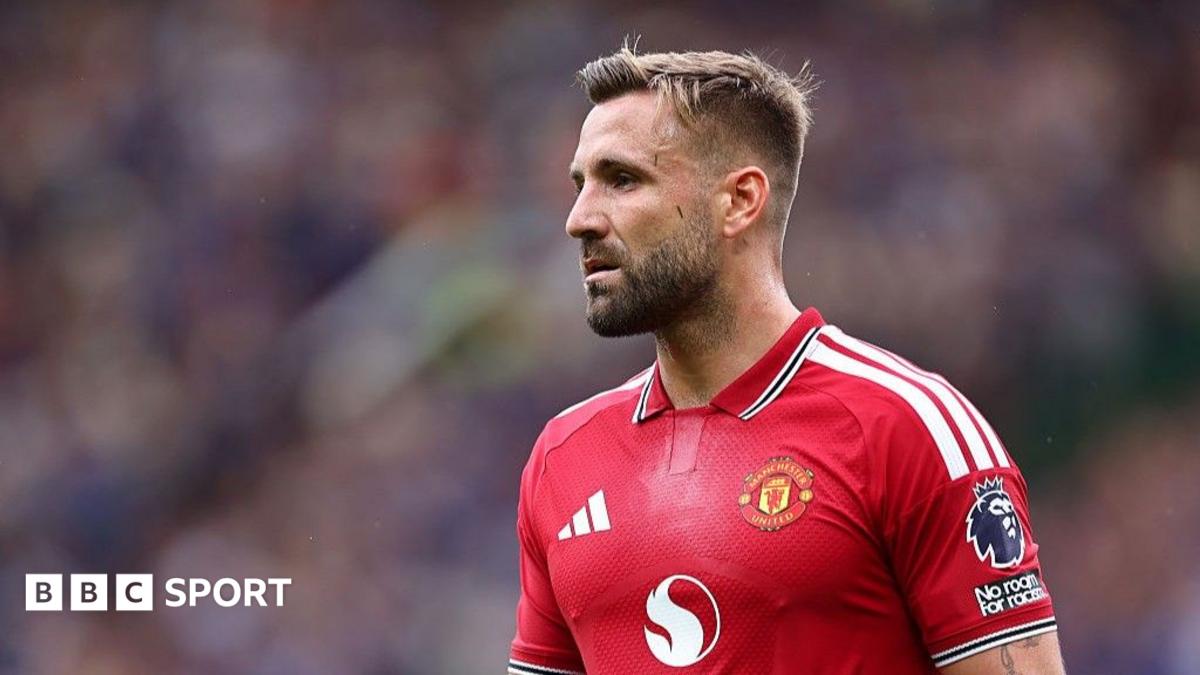
United's Surprise Stance: No Left-Back Arrival
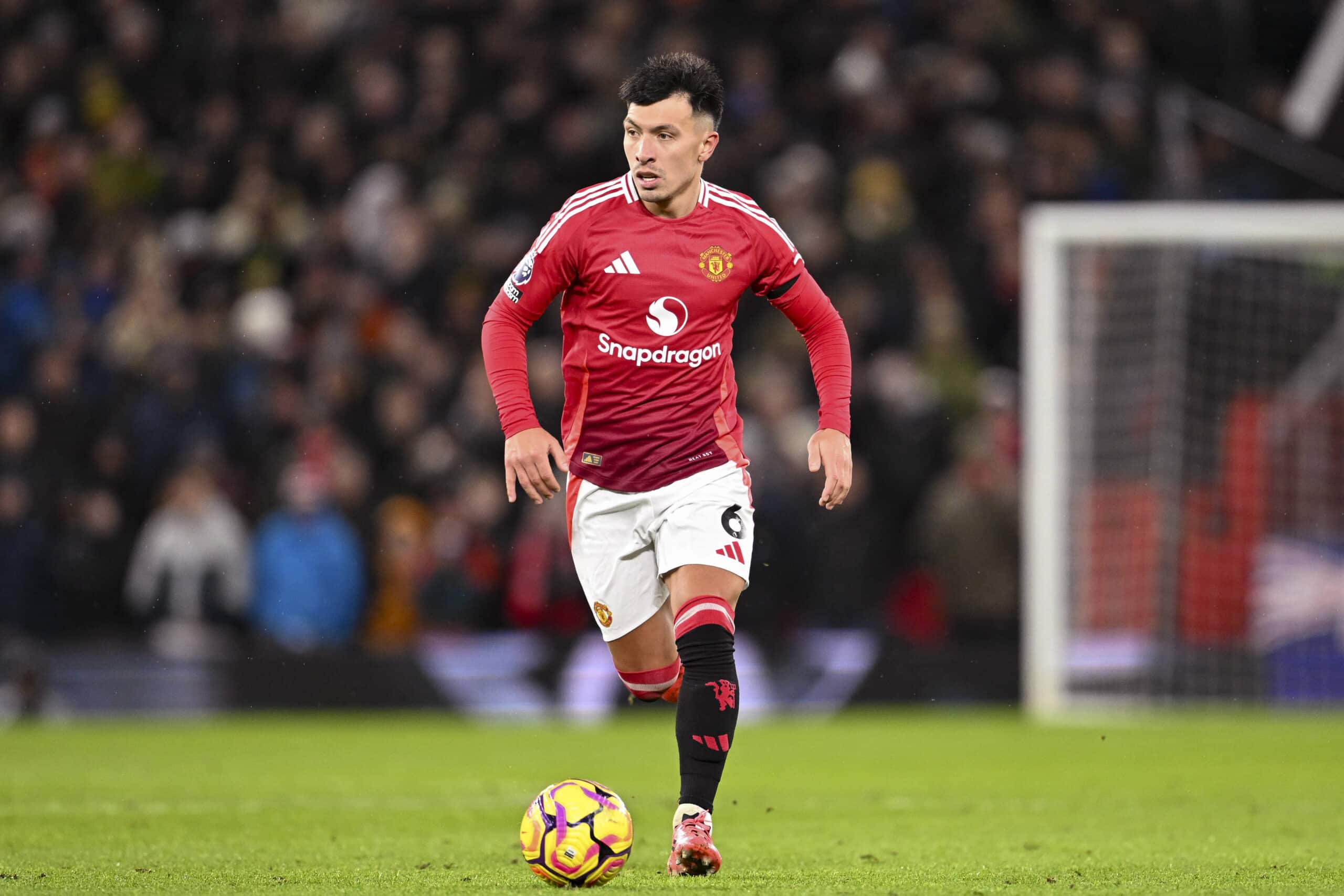
Amidst widespread anticipation of a new left-back at Old Trafford, Manchester United have ultimately decided against such a signing this summer. This calculated gamble raises immediate questions about squad depth and tactical flexibility for the upcoming season.
While many pundits predicted reinforcements, the club's hierarchy have seemingly placed their faith in existing options within the current squad. The decision stems from a complex blend of financial prudence, confidence in internal development, and perhaps a shift in system – all confirming a deliberate strategy.
Context and Background: A Position Under Scrutiny
Throughout the transfer window, persistent links suggested United were actively pursuing a specialist left-back to provide competition and cover. Yet, as the deadline passed, no such deal materialized. Over the past eighteen months, United's left side has been a recurring topic of tactical discussion, with fitness issues and form fluctuations often highlighted.
Statistical analysis from last season indicates that United conceded a disproportionate number of chances originating from their left flank compared to the right. The existing full-backs, while talented, have occasionally struggled to maintain consistent defensive shape while supporting attacks. Furthermore, the club's pressing structure relies heavily on full-backs stepping high, leaving space that opponents have targeted. By not signing a new player, United are accepting the ongoing need to mitigate these risks through collective team adjustments.
This decision also underscores a broader trend at United, where the club has attempted to move away from high-value acquisitions towards more calculated investments, prioritizing reliability and long-term planning over immediate, reactionary fixes. The left-back market this summer presented few options that represented clear upgrades at a reasonable cost, and United were not willing to overpay for marginal improvements.
Impact and Analysis: A Gamble with Clear Implications
The ramifications of this choice are multi-faceted. By not adding a new face, United are betting on the fitness and form of their current left-backs. If injuries occur, as they did last season, the squad depth will be tested. A lack of a natural left-back could lead to right-footed defenders being deployed out of position or midfielders filling in, impacting the team's balance.
- Increased pressure on existing left-backs to remain fit and consistent throughout a demanding season.
- Potential tactical adaptation: United might shift to a back three system that relies less on traditional full-back runs, or they might instruct midfielders to provide width on the left during offensive phases.
- The decision frees up resources for other positions, possibly allowing for a later move in another area or a healthier financial position for January reinforcements.
Fantasy Premier League managers should note that a guaranteed-starting left-back at United, if they secure their place, could be a valuable asset due to their attacking tendencies and potential for assists. However, with no new signing, rotation and individual form become even more significant factors. Existing full-backs will need to justify their place to fend off any internal competition from young prospects.
Regarding the title race and top-four battle, this gamble's success will be evident in United's defensive stability. If they concede fewer goals from the left channel, the decision will be vindicated. But if they are plagued by injuries in this position, the absence of a specialist could prove costly against pacey wingers from rival teams. Compared to rivals who have strengthened, United's approach appears conservative, but it also demonstrates a level of trust in their squad that might foster a stronger team identity.
What's Next: The Road Ahead
With the transfer window now closed, the focus shifts to the manager's ability to organize his existing group. The onus is on the current full-backs to deliver exceptional performances, and on the coaching staff to devise systems that maximize their strengths while protecting the defensive line. The long-term success of this gamble will be measured over the coming months, not in transfer windows. If United's left side remains solid and contributes effectively to attacks, the decision will be praised as a shrewd piece of business. If not, the scrutiny will intensify as the January window approaches, with the club likely revisiting this area.
Related Articles
Filed under: Tactical Analysis | LA Premier League Home