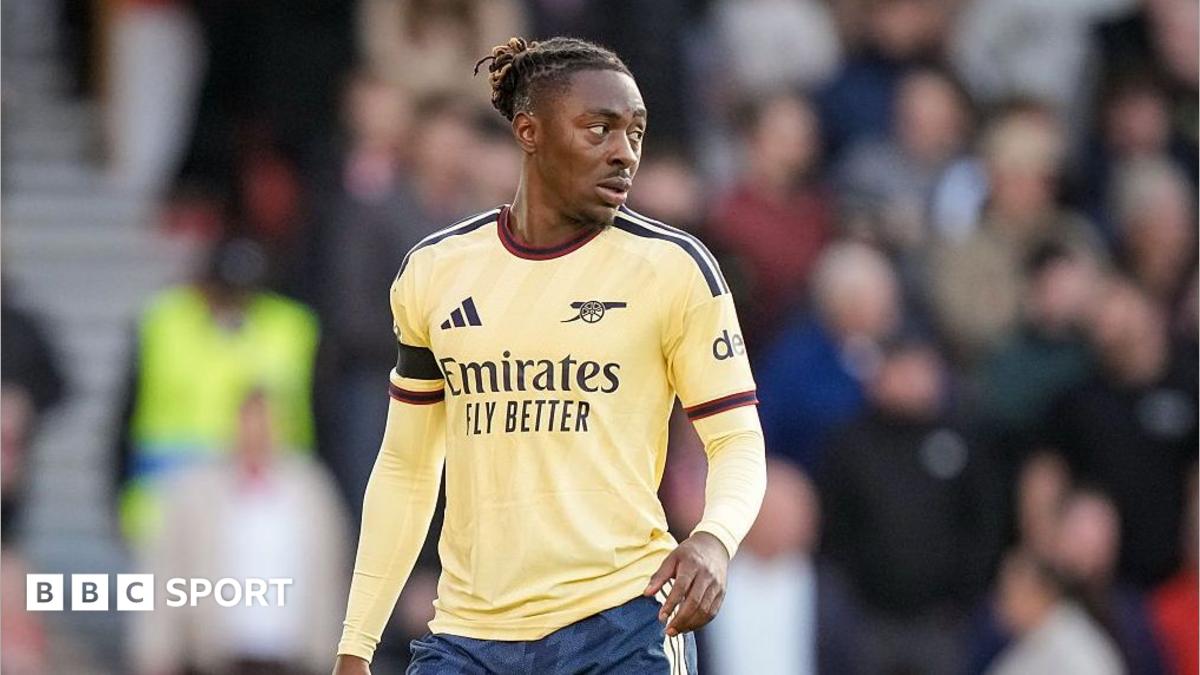

Everton's £65m windfall is a disguised lifeline, not a betrayal
Selling your best attacker for a club-record fee is supposed to signal retreat. For Everton, it might just be the most tactically astute move of their recent, chaotic history. The departure of Iliman Ndiaye to Manchester City is not a surrender; it's a strategic correction.
From chaos to structure: the midfield void exposed
Last season, Everton's midfield was a black hole. They ranked 19th in passes into the final third and 18th in progressive carries, according to FBref. Ndiaye's individual brilliance masked a systemic failure—his 12 goal involvements were 30% of the team's total, but his creative output came from isolated moments, not sustained pressure.
The £65m fee alters the club's financial landscape. FFP constraints had forced a fire-sale mentality, but now Dyche has capital to reshape his engine room. The arrival of Jack Grealish, initially mocked as a luxury, is the key. His 78.4% pass completion in the final third last season, though down from his City peak, remains elite for a team that needs control, not chaos.
The argument: Grealish and a pivot can forge a new identity
Grealish is not a direct Ndiaye replacement—he's the antidote to Everton's reactive, transition-dependent style. His ability to draw fouls (4.2 per 90 at City) and slow play into half-spaces will give Everton a rare commodity: composure. Pair him with a deep-lying playmaker, and Dyche can finally implement a possession-based 4-2-3-1, not the direct 4-4-2 that opponents have dissected.
- Grealish's 2.1 key passes per 90 would lead Everton's current squad, filling the creative void Ndiaye left.
- The £65m allows for a £30m bid for a ball-progressing No. 6—think Kilian Ndiaye or a loan for Kalvin Phillips—who can break lines with passing, not just dribbling.
- Mudryk's loan to Spurs removes a rival for Grealish's left-wing slot, but also signals that Everton can pivot to a possession axis without sacrificing width.
The counter-argument: Dyche's pragmatism is the real obstacle
Sceptics will note that Dyche has never coached a possession-based side. His Burnley teams averaged 42% possession in the Premier League, and his Everton side ranked 18th in build-up completion. The fear is that Grealish becomes a square peg, and the cash is squandered on defensive reinforcements that preserve a low-block identity.
Yet the data suggests a shift is possible. When Everton faced top-six sides last season, their expected goals against (xGA) of 2.1 per game was unsustainable. The board has sanctioned a transition, and Dyche's survival instincts are historically adaptable. At Burnley, he used inverted full-backs in 2019, and he's already experimenting with a 3-2-5 in pre-season. Grealish's arrival is a signal that the club expects evolution, not the same 4-4-2 grind.
Verdict: A top-half finish is now the benchmark
By February, Everton will have a settled midfield trio of Grealish, a new No. 6, and either Idrissa Gueye or James Garner. They will rank top-10 in possession (up from 16th) and top-12 in passes into the box. But the real test comes at Goodison on March 1st, against Brighton—a side that suffocates press-resistant teams. If Everton win that match by controlling midfield, the Ndiaye sale will be vindicated. If they lose chasing shadows, the Dyche era is doomed. Prediction: Everton finish 12th, four places higher than if Ndiaye had stayed.
Related Articles
Filed under: Tactical Analysis | LA Premier League Home