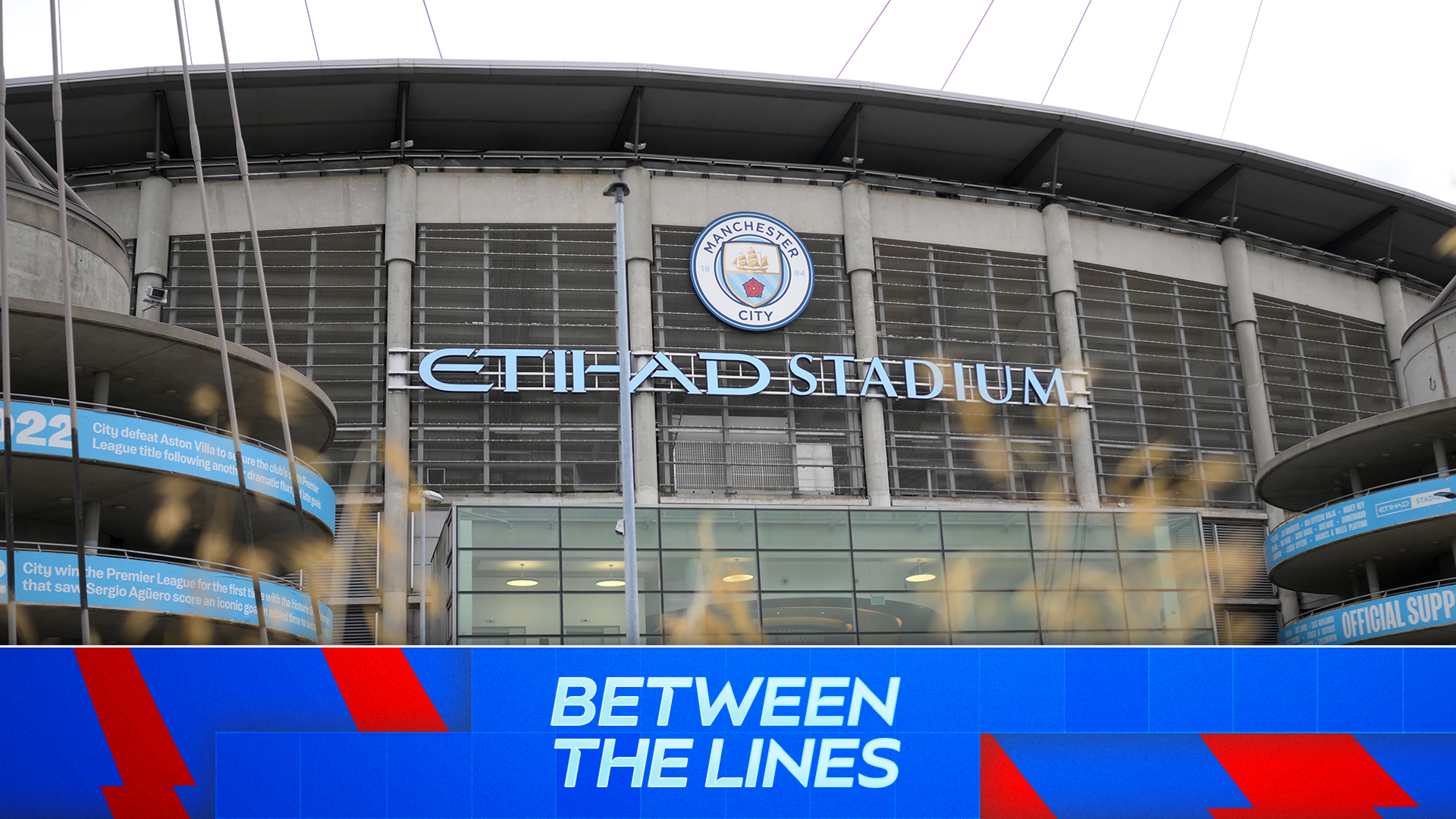
Man City found guilty of £830m disguised funding scheme as commission delivers verdict
An independent commission has determined Manchester City breached financial rules through a "disguised funding scheme" involving sham contracts and £830m of artificially inflated commercial revenue between 2009/10 and 2017/18. City deny all wrongdoing and intend to appeal. Possible sanctions include fines, transfer bans and Premier League expulsion.
- Verdict: Independent commission finds serious breaches of financial rules during 2009/10–2017/18
- Key finding: £830m falsely recorded as commercial revenue via "disguised funding scheme"
- Possible sanctions: Fines, transfer bans, expulsion from the Premier League, honours stripped
- City response: Club denies all wrongdoing and intends to appeal
- Transfer context: City spent £1.2bn on players in the period, net spend £888.2m
- At stake: City's three Premier League titles from the period and their place in English football's landscape
The numbers
- City's transfer spend between summer 2009 and the 2018 January window: £1.2bn
- Next-highest spenders Chelsea: £931.7m — nearly £300m less
- City's net spend: £888.2m
- Next-highest net spend, Manchester United: £513.1m
- Falsely recorded commercial revenue: £830m — roughly 70 per cent of the £1.2bn transfer spend
- Sponsorship fees paid by Abu Dhabi United Group reached £134.7m in 2017/18, up from £22.5m in 2009/10, increasing for four consecutive seasons
- Highest-spending season of the investigation: 2017/18, with £282.5m committed
- City won three Premier League titles in the nine-year period covered by the investigation
- They ranked top for transfer spending among Premier League clubs in five of the nine seasons and top for net spend in six
The findings
The commission's report describes a "disguised funding scheme" in which City's Abu Dhabi United Group owners paid huge sponsorship fees that were recorded as commercial revenue. The report also identifies "sham" contracts with commercial partners. The £830m falsely recorded as commercial revenue equates to roughly 70 per cent of the club's £1.2bn transfer spend in the period.
City's rise began with Sheikh Mansour's takeover in September 2008, marked by the then-record signing of Robinho from Real Madrid. At that point City had two top-flight titles in their 114-year history, the last coming four decades earlier, and had just finished ninth in 2007/08, 32 points behind champions Manchester United. They had suffered an 8-1 loss to Middlesbrough in Sven-Goran Eriksson's final game in charge and had been relegated three times in the Premier League era, dropping as low as the third tier only 10 years earlier.
Between the summer of 2009 and the 2018 January transfer window, City signed a succession of elite players. In the two seasons before their first title in 44 years in 2011/12, spending totalled £260.5m on Carlos Tevez, Edin Dzeko, Yaya Toure, David Silva, Mario Balotelli and James Milner. Subsequent arrivals included Sergio Aguero, Samir Nasri, Fernandinho, Jesus Navas and Eliaquim Mangala. In 2015/16, City recruited Kevin De Bruyne and Raheem Sterling. The highest-spending season came in 2017/18 with £282.5m committed on Aymeric Laporte, Benjamin Mendy, Kyle Walker, Bernardo Silva and Ederson.
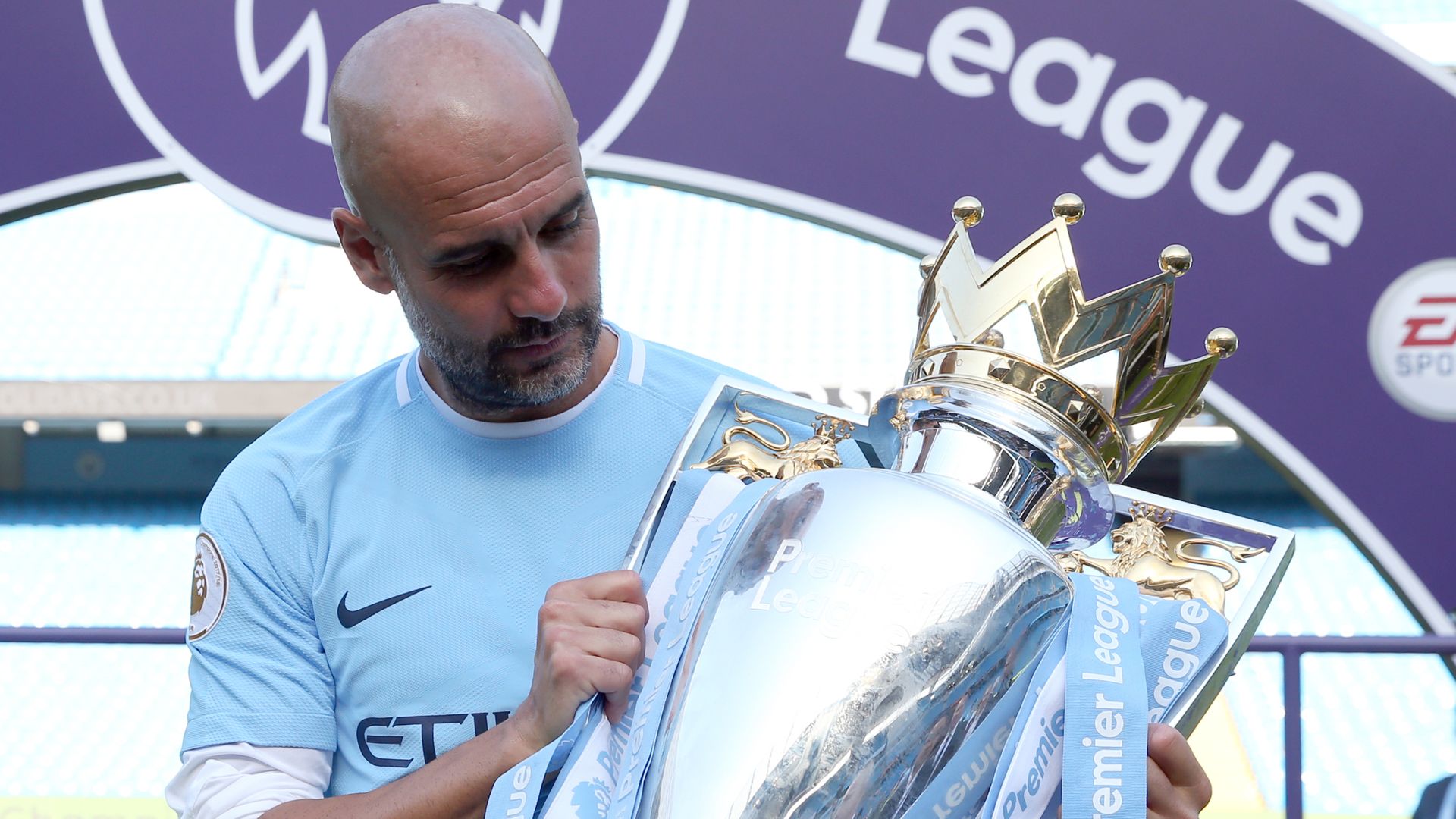
City also attracted Roberto Mancini, Manuel Pellegrini and Pep Guardiola as managers during the period. They won an FA Cup, three League Cups and a Community Shield in addition to their three Premier League titles, making it the most successful period in the club's history. They finished outside the Premier League's top three just once in the last 16 seasons. Now eight-time English champions, City rank behind only Manchester United for Premier League title wins, having overhauled Chelsea and Arsenal, and are one of only four clubs — with United, Liverpool and Arsenal — to reach double figures when pre-Premier League titles are included.
What the commission's findings mean for City's legacy
The commission's verdict reframes the most dominant era in Manchester City's history. The £830m falsely recorded as commercial revenue is not a technicality — it is roughly 70 per cent of the £1.2bn spent on players during the period being investigated. That spending built the squads that won three Premier League titles and attracted Roberto Mancini, Manuel Pellegrini and Pep Guardiola. Without the inflated revenue, the argument goes, the signings of Carlos Tevez, Sergio Aguero, Kevin De Bruyne and the rest would not have been possible on the same scale.
The scale is stark when set against rivals. City's £888.2m net spend more than doubled Manchester United's £513.1m. They ranked top for transfer spending in five of the nine seasons and top for net spend in six. That is not marginal advantage; it is a different financial universe. The commission's findings cover the transformative period between 2009/10 and 2017/18, exactly the years when City went from mid-table afterthoughts to title winners.
Sanctions remain uncertain. Fines, transfer bans and expulsion from the Premier League are all possible. Some are calling for honours to be stripped. City deny all wrongdoing and intend to appeal, which could delay any punishment for months or longer. Whatever the outcome, the commission's report has already changed how this period of English football will be remembered.
Talking points
- If £830m of revenue was falsely recorded, does that make the three Premier League titles invalid, or is the on-pitch achievement separate from the accounting?
- A transfer ban or fine would hurt City now, but stripping titles punishes fans and players who had no part in the scheme. Is that fair?
- City's appeal will take months. Should sanctions be enforced immediately, or does the appeal process give them an unfair advantage in the market?
- The commission found sham contracts with commercial partners. Should those partners face consequences too, or does responsibility stop with the club?
What happens next
Manchester City intend to appeal the independent commission's decision. The appeal process will determine whether sanctions — including possible fines, transfer bans or expulsion — are upheld or overturned. Until that process concludes, the club's three Premier League titles from the period and their future in the competition remain under scrutiny. Rival clubs and the Premier League itself will be watching the appeal closely, as its outcome could set a precedent for how financial rule breaches are punished in English football.
Frequently asked questions
What exactly was Manchester City found guilty of?
An independent commission found serious breaches of financial rules, including "sham" contracts with commercial partners and the artificial inflation of revenues by £830m through a "disguised funding scheme" between 2009/10 and 2017/18.
How much did Manchester City spend on players during the investigation period?
Between summer 2009 and the 2018 January window, City spent £1.2bn on players, with a net spend of £888.2m — nearly £300m more than Chelsea's £931.7m and far more than Manchester United's £513.1m net spend.
What sanctions could Manchester City face?
Possible sanctions include fines, transfer bans and expulsion from the Premier League. Some are calling for their honours to be stripped. City deny all wrongdoing and intend to appeal the decision.
Related Articles
Filed under: Latest News | LA Premier League Home