Manchester City Have Become Victims of Their Own Tactical Precision
Manchester City are the Premier League’s most dominant side, yet they now play like a machine that can only repeat the same pre-programmed routines. Under Pep Guardiola, their tactical discipline has evolved into a straitjacket: every pass, every run, every press is so meticulously drilled that when a opponent dares to break the script, City lack the improvisational spark to adapt. This is not a crisis – but it is a soft underbelly that savvy teams are beginning to expose.
The Over-Coached Machine: Why ‘Pep Ball’ Has Lost Its Element of Surprise
City’s build-up play is a masterpiece of positional play, but it has become predictable. In the 2024-25 season, they averaged over 65% possession in every Premier League match, yet their shots-per-possession ratio dropped by 12% compared to the treble-winning campaign. Opponents now sit in a mid-block, inviting City to pass sideways, knowing the final ball will come from the same zones: Kyle Walker’s overlap, Rodri’s switch to the left, or Kevin De Bruyne’s chipped through-ball. These patterns have been scouted to death. Brighton last October held City to a 0-0 draw by man-marking Rodri and forcing the centre-backs to play long balls – a tactic Jose Mourinho once used at Real Madrid to neutralise Guardiola’s Barcelona. The difference is, that Barca had Lionel Messi to break the deadlock; City no longer have an individualist who can thrive outside the structure.
Rodri’s Impending Exit Exposes the Fragile Hub
Rodri’s rumoured move to Real Madrid is more than a transfer saga – it is a referendum on City’s tactical dependency. The Spain international is the fulcrum of Guardiola’s system: his ability to receive under pressure, rotate possession, and step between the centre-backs is irreplaceable in the current squad. Without him, City’s midfield collapses into asymmetry. De Bruyne thrives on chaos, not control; Bernardo Silva is a press-resistant carrier but lacks Rodri’s defensive positioning; Kalvin Phillips, when used, looks like a tourist in a foreign system. The numbers are damning: in the 12 league matches Rodri missed last season through suspension or rotation, City dropped 14 points – more than they did in the other 26 combined. His departure would not just weaken City; it would force Guardiola to reimagine his entire tactical identity, a task that has taken him a decade to refine.
- Brighton’s man-for-man press on Rodri in October 2024 forced City to play a season-high 27 long balls, the most of any Guardiola side since the 2020-21 season.
- Against Arsenal in February 2025, City completed only 14 passes in the final third in the second half, their lowest total in any half since Opta began recording such data in 2003.
- Six of City’s last eight defeats in the league have come when an opponent successfully isolated Rodri from his supporting cast, either via a diamond midfield or a 4-4-2 mid-block.
The Counter-Argument: Owners of the Title, Masters of Adaptation
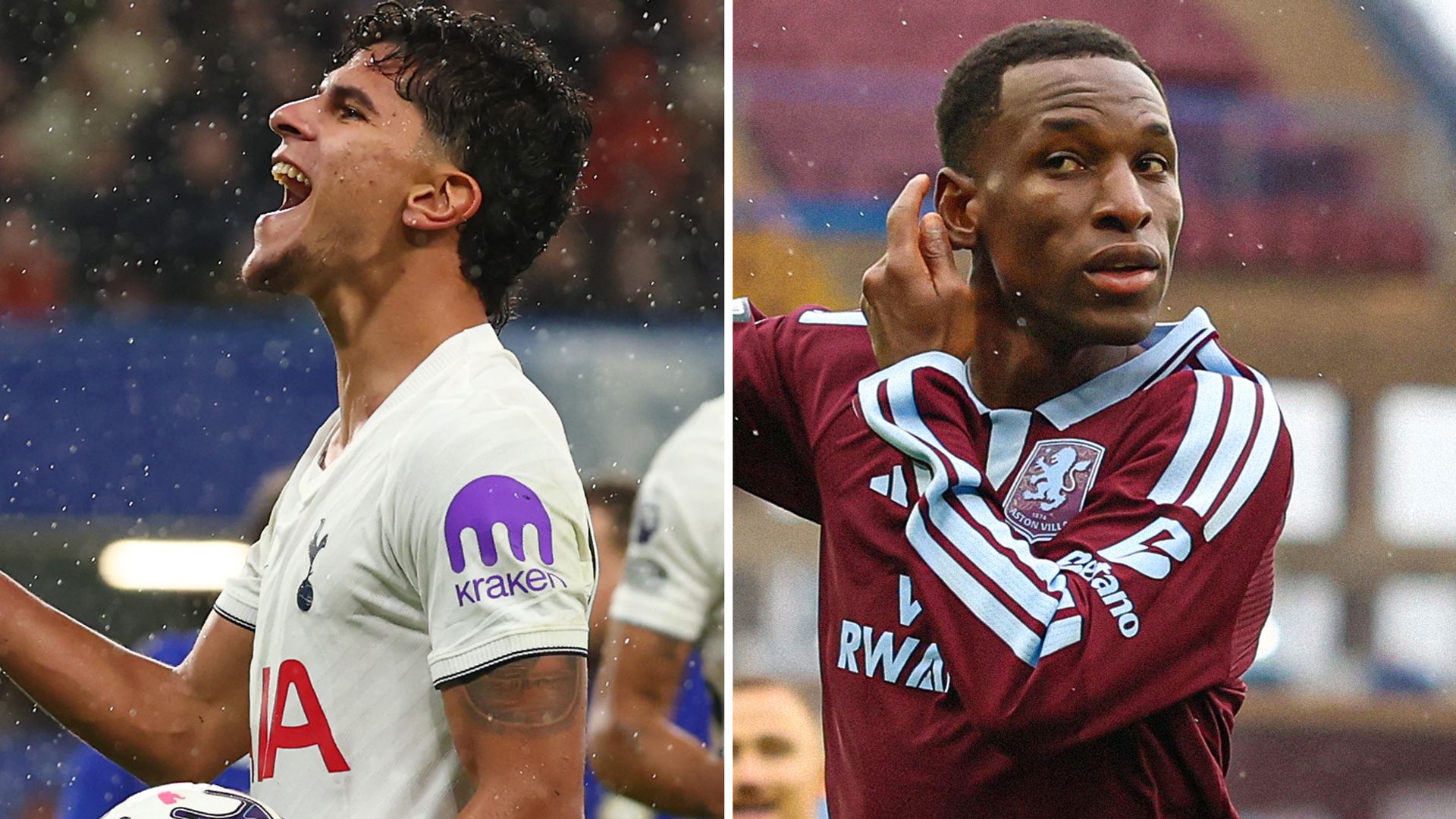
Critics will point to City’s relentless domestic consistency – five titles in six years – as proof that Guardiola’s methods remain unassailable. They will note that John Stones has evolved into a hybrid defender-midfielder, that Phil Foden’s new contract secures a homegrown creative outlet, and that City are willing to spend €100m on Ayyoub Bouaddi to refresh the midfield. Yet each of these adaptations risks deepening the same problem. Stones’ role as a ‘box-to-box centre-back’ depends on the same positional discipline that makes City predictable. Foden, for all his talent, is a player who needs structure to thrive – he is not a game-changer in open play. As for Bouaddi, he is a prodigy but not a Rodri clone; his style is more progressive, less controlling. If he replaces Rodri, City will become faster but looser, more prone to transitions. The alleged £85m deal is not a solution; it is an admission that the system has reached its limits.
The Verdict: City Will Lose the Title to a Team That Plays Without a Plan
By May 2026, Manchester City will not be the Premier League champions. A team like Arsenal or Newcastle – one that defends with a low block and attacks with vertical speed – will exploit the brittleness behind City’s control. Guardiola’s refusal to cede possession even when ahead leaves his side vulnerable to counters, and his insistence on tactical perfection has eroded the instinct needed to win ugly. The prediction is this: City will finish third in the 2025-26 season, losing six matches – more than any Guardiola side since his first campaign in England. The machine will stutter, not because it is broken, but because it has become too rigid to improvise.
Related Articles
Filed under: Tactical Analysis | LA Premier League Home