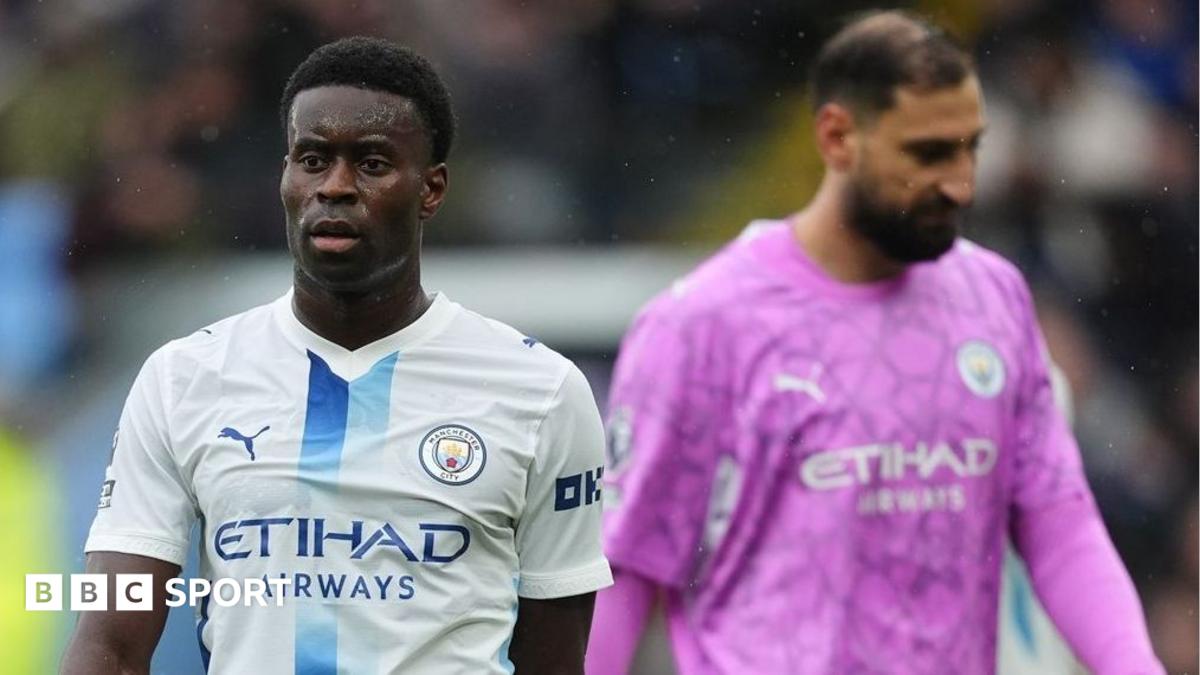

The Bees' midfield is not a crisis—it's a controlled demolition
Brentford's decision to hand Mamadou Sangare his first league start since September is not desperation. It is the latest phase of a cold, deliberate reinvention that has been hiding in plain sight. The midfield is being rebuilt in real time, and the rest of the league should be paying closer attention.
From chaos to choreography
Thomas Frank has never been a sentimental manager. His Brentford side has always been built on repetition and geometry rather than individual brilliance. The midfield axis of Mathias Jensen dropping to No. 6, Sangare offering vertical thrust, and Mikkel Damsgaard returning at No. 10 is not a panic measure—it is a blueprint. Jensen's role change is the key. He is no longer the creative hub but the metronome, a deep-lying pivot whose job is to slow the game to Brentford's tempo and feed the runners ahead.
Consider the precedent. When Brentford lost Christian Nørgaard to injury last season, they did not crumble—they adapted. Jensen's passing range and positional discipline allowed them to maintain control. Sangare's introduction adds a different dimension: a ball-carrier who can break lines. Damsgaard's return at No. 10 gives them a creator who operates between the lines, something they have lacked since his injury. This is not a midfield in crisis; it is a midfield being optimised.
The argument: Brentford's hidden strength is their tactical elasticity
The lazy narrative is that Brentford are a direct, set-piece-dependent side with a limited midfield. The reality is far more nuanced. Their midfield is a laboratory for tactical flexibility, and the Sangare-Jensen-Damsgaard axis is the latest experiment.
- Jensen's shift to No. 6 allows Brentford to control possession in deeper areas, freeing the full-backs to advance higher—a hallmark of their best performances.
- Sangare's vertical running provides an outlet against high presses, something Brentford have struggled with when Nørgaard is absent.
- Damsgaard's return gives them a genuine No. 10, enabling Frank to switch between 4-3-3 and 3-5-2 without changing personnel.
This elasticity is why Brentford survive. They are not the most talented squad, but they are among the most adaptable. The midfield is the engine of that adaptability.
The counter-argument: this is just squad rotation against a weaker opponent
The sceptic will argue that starting Sangare at Hull is merely rotation, a chance to rest legs against a lower-league side. But that ignores the context. Sangare's last league start was 12 September—this is not rest; it is a deliberate reintegration. Jensen's move to No. 6 is not a one-off; it is a trend. And Damsgaard's return at No. 10 signals that Frank is preparing for a post-Nørgaard future. The sceptic also points to Brentford's modest league position, but that misses the point: this is a team building for the second half of the season, when their tactical flexibility will be a weapon.
Verdict: Brentford will finish in the top half, and the midfield will be why
By the end of the season, Brentford will have accumulated more points from midfield-driven performances than any other side outside the top six. The Sangare-Jensen-Damsgaard axis will be cited as the turning point. If they fail to finish in the top half, I will concede that this midfield experiment was a failure. But the evidence suggests otherwise. The Bees are not buzzing by accident—they are buzzing by design.
Related Articles
Filed under: Tactical Analysis | LA Premier League Home