
The academy is a rumour, not a route
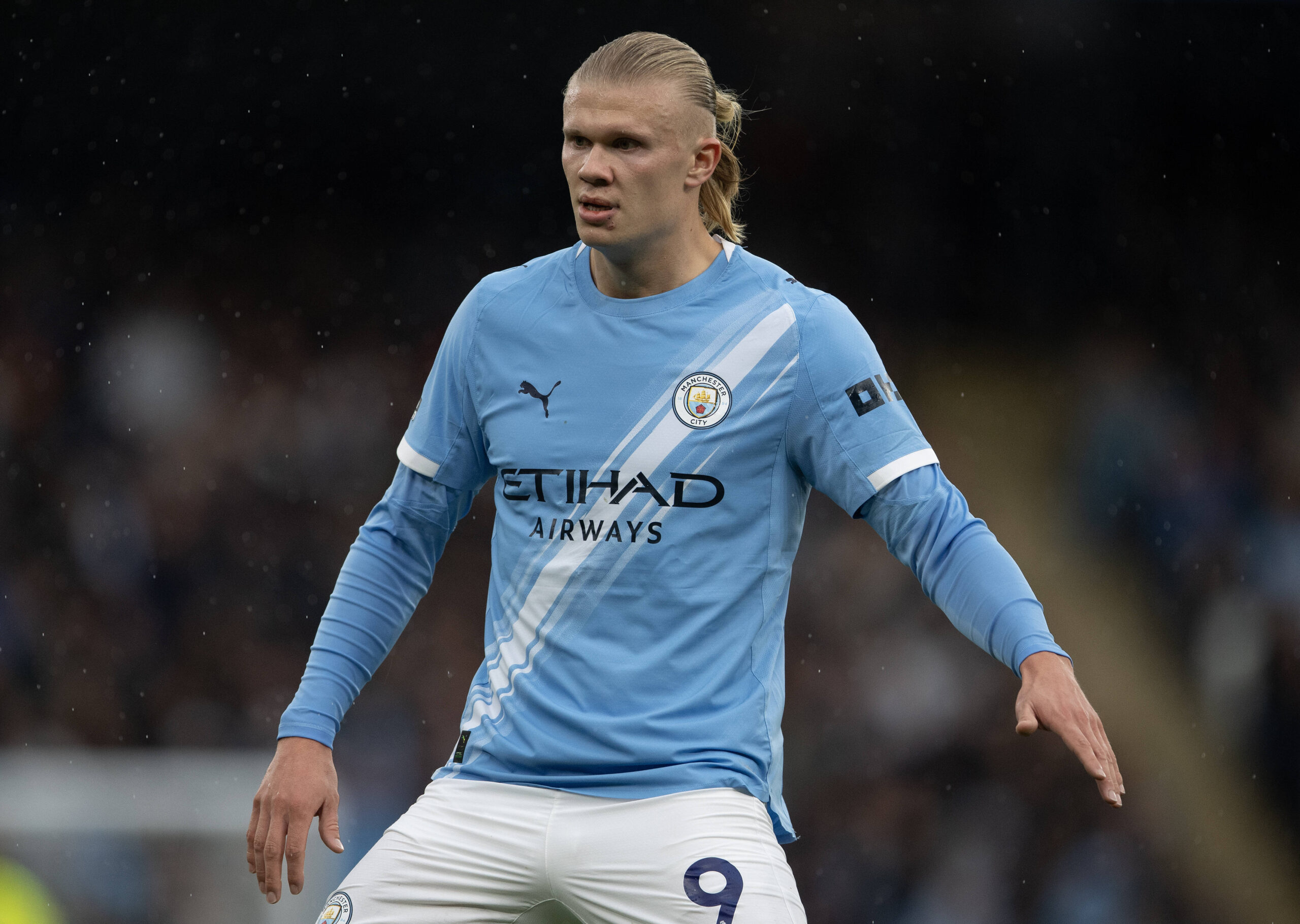
Manchester City's academy is not a pathway; it is a rumour circulated to appease Uefa and inflate their own myth. The club that sold Cole Palmer for £42.5m and watched him become Chelsea's spine now opens talks with Liverpool over Cody Gakpo — a 25-year-old with zero academy pedigree. This is not a strategy; it is an admission.
From the Etihad to the graveyard shift
Since the Abu Dhabi takeover, City have harvested over £300m from academy sales. But the yield is not trophies; it is accounting. The likes of Brahim Diaz, Jadon Sancho, and Romeo Lavia were discarded before they ripened. Sancho's saga at Dortmund to United to a bench at Stamford Bridge might suggest City were right. But that is a one-off, a cautionary tale that has become an excuse for cowardice.
The true comparison is not the exceptions but the rule: Cole Palmer now runs the show at Chelsea. Morgan Rogers torments defences at Villa. Even James Trafford, a back-up keeper, fetched £19m. The conveyor belt is not broken; it was never connected to the first team. Pep Guardiola's cycles demand finished products, not projects. The result is a club that spends £100m on Jack Grealish while a youth product like Phil Foden remains the token gesture — and even he was once benched for Riyad Mahrez in a Champions League final.
The argument: hoarding is not a strategy
City's model is a bizarre hybrid: they buy every talented teenager in Europe, loan them to sister clubs, then sell the survivors for profit. This is not footballing vision; it is a Ponzi scheme in reverse. They are not developing players; they are trading commodities. The
- Cody Gakpo pursuit proves they cannot trust their own production line — a £50m winger when they had Jaden Philogene and Liam Delap inhouse.
- The Palmer sale to Chelsea, accepted to balance books, now haunts them as their attack sputters.
- Their academy is ranked the best in England for output, yet zero players started in last season's title run-in.
The counter: financial fair play, or fear?
The defence is that City must sell to comply with FFP, that academy sales are pure profit. That is true — but it is also a choice. Arsenal sold Emile Smith Rowe and still kept Bukayo Saka. United have cashed in on youth but not their crowns. The difference is intent. City's motto should be 'Borrowed Glory', not 'Superbia in Pugna'.
And the Gakpo interest is not ambition; it is panic. Liverpool's forward line is ageing, and City smell weakness. But they could have had Gakpo for £40m two years ago — before they chose to trust their own academy. Now they will pay a premium for a player who has never kicked a ball at the Etihad. This is not a strategy; it is a symptom.
Verdict: the bill comes due
Within 24 months, Manchester City will sign a marquee midfielder to replace an ageing Kevin De Bruyne. That player will cost over £80m. Meanwhile, Nico O'Reilly or Jaden Philogene-Bidace will be starting for a rival. The Champions League regulations that forced this shell game will tighten, and City's profit-on-paper model will collapse.
My prediction: by June 2026, Manchester City will have sold at least three academy graduates who go on to start for England, while paying over the odds for a foreign import. The Gakpo deal will be the final proof that the academy is not a pathway but a pawn shop. The irony? The conveyor belt works fine — but only when it feeds other clubs.
Related Articles
Filed under: Opinion | LA Premier League Home