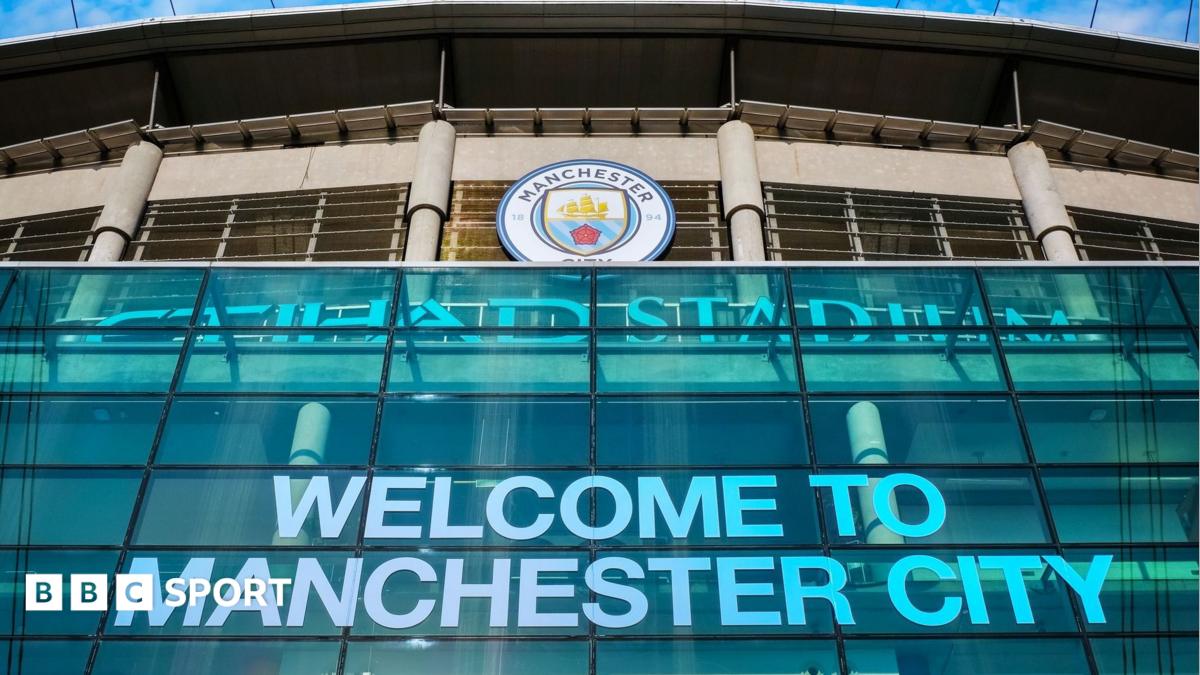

The Premier League's quiet financial revolution is not about transfer fees, but about bricks and mortar.
Forget the £100m midfielders and the Saudi-funded wage packets. The Premier League's most consequential arms race is being fought with concrete, steel, and the balance-sheet trickery that turns a new stand into a get-out-of-jail-free card. Stadium debt has become the game's great equaliser, a loophole that the big six drive a double-decker bus through, while the rest are left scrapping for crumbs.
From Highbury to the Etihad: how infrastructure became the ultimate FFP dodge
Arsenal's move to the Emirates in 2006 was the template. The club borrowed £390m, and the stadium's future revenue streams were pledged as collateral. In the years that followed, the Gunners' league position suffered, but their financial firepower was preserved. The stadium, not the transfer market, was the enabler of their later resurgence under Mikel Arteta. Similarly, Manchester City's state-backed expansion of the Etihad has allowed them to inflate commercial revenues, even when those deals smelled of cosy related-party transactions.
The Premier League's Profit and Sustainability Rules (PSR) were designed to stop owners from throwing cash at the playing squad. But infrastructure spending is exempt. You can borrow hundreds of millions to build a stand, and the interest payments are deducted from your PSR calculation, effectively reducing your taxable profit. Meanwhile, the value of the asset sits on your books, and when you sell it to a connected party—as City did with the Etihad's naming rights—the cash that flows back in counts as revenue. It is a closed loop that only the wealthy can enter.
The argument: points deductions are a rich man's insurance policy, not a deterrent
Everton's ten-point deduction for breaching FFP was met with howls of protest, and rightly so. But look closer: the Toffees' crime was not stadium debt; it was over-spending on players like Gylfi Sigurdsson and Alex Iwobi. In contrast, Tottenham's £1bn stadium build, funded by £850m of debt, has never triggered a deduction. Arsenal's £390m Emirates debt? No sanction. Manchester City's £300m Etihad expansion? Underwritten by the Abu Dhabi sovereign wealth fund and waved through.
The precedent is clear: infrastructure is sacred, players are expendable. The Premier League, in its wisdom, has created a two-tier system where the rich can invest in assets that appreciate, while the desperate are punished for investing in the one thing that actually wins matches—the squad. Let me be specific:
- Tottenham's stadium-generated matchday revenue of £117m in 2022-23 dwarfed Everton's £24m, yet Spurs' debt is over 20 times higher. No points deduction.
- Arsenal paid £24m in annual interest on the Emirates debt in 2019, yet they continued to sign players. The PSR calculations treat that interest as a legitimate business cost.
- Manchester City's Etihad naming-rights deal, worth £67m a year from an Abu Dhabi-linked airline, is considered 'fair market value' by the Premier League, despite no similar deal existing anywhere else.
But wait—isn't stadium debt a sign of responsible planning?
The defence goes: clubs that build stadiums are investing in their future, not gambling on the pitch. There is some truth to this. A new stand increases matchday revenue, improves the fan experience, and can be a driver of regeneration. When Liverpool expanded Anfield, they did so with a mix of debt and financing that the club could realistically service. The problem is the comparison. Everton's new stadium at Bramley-Moore Dock, funded by loans and owner loans, has been used by the Premier League to justify their punishment—the club spent £450m on a stadium while claiming poverty, then broke FFP. That is hypocrisy: the league lauds Spurs for doing the same, but crucially, Tottenham's revenue from the stadium is three times Everton's, so they can afford it. In other words, it is not the debt that is the issue; it is the size of the revenue it generates. That is not a rule, it is a superclub's charter.
And what of the clubs without a sugar daddy or a global brand? Clubs like Aston Villa, who are in the midst of their own fan-zone redevelopment, financed by owner Nas, a deal that is essentially a loan from a related party. The PSR rules may scrutinise that, but ultimately, Villa's revenue isn't enough to cover the interest without selling a star player. So they sell Douglas Luiz to Juventus. But does that make them more prudent than Tottenham? No, it makes them poorer.
Verdict: in three years, a club will be relegated due to stadium debt, and we will pretend it is a sporting failure
The Premier League is not going to change its rules, because the big six write them. But I predict that by 2027, one of the clubs currently in the top half—I suspect a newly promoted side like Southampton or a middling club like Crystal Palace—will be forced into an FFP breach precisely because of interest payments on loans taken to refurbish a crumbling stand. They will be docked points, and the narrative will be one of mismanagement. It will be nothing of the sort. It will be the logical endpoint of a system that privileges those who already own the means of production. The Premier League has become a cartel, and stadium debt is its favourite currency.
Related Articles
Filed under: Opinion | LA Premier League Home