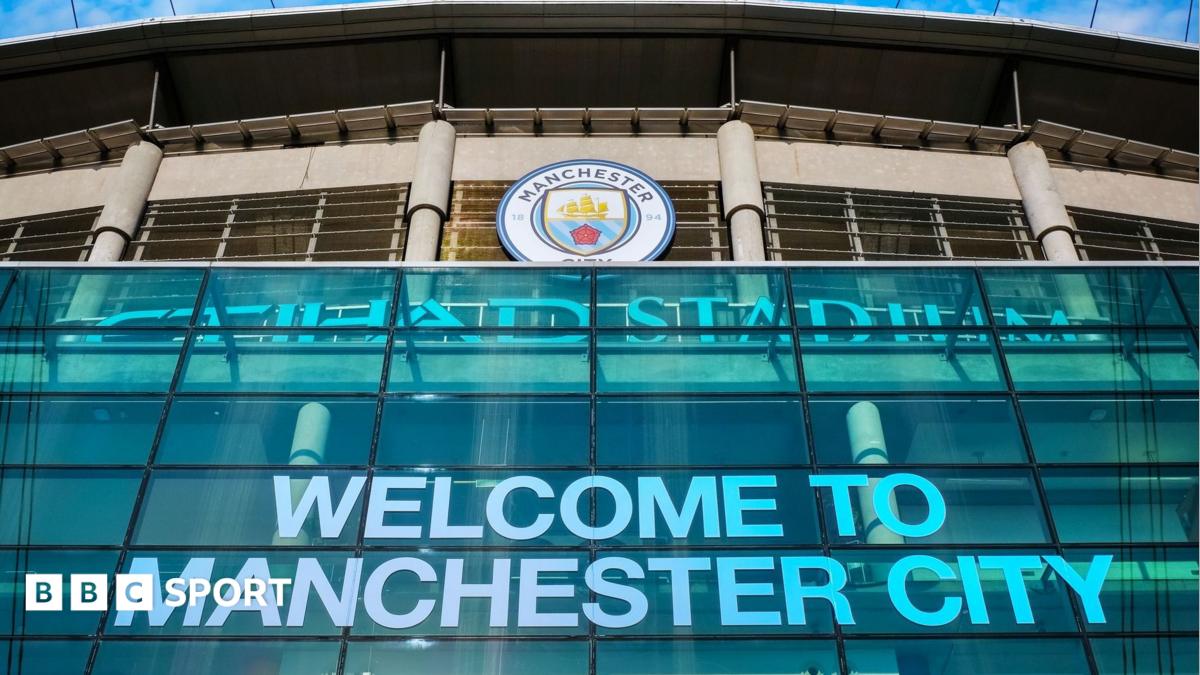
The most dangerous takeover in England isn't happening on the pitch
Forget points deductions. Forget PSR. The most consequential battle in the Premier League is being fought over car parks, concert revenue and property portfolios — and the clubs winning it won't be the ones lifting trophies.
While Arsenal and Liverpool haggle over Kevin Schade's £60m price tag, a quieter revolution is underway. Owners have realised the fastest route to profit isn't Champions League football. It's real estate.
From Stamford Bridge to the Etihad: the stadium as asset class
Todd Boehly's £4.25bn Chelsea purchase wasn't a football deal. It was a land grab. The Stamford Bridge site is worth more as a mixed-use development than as a stadium, which is why the club explored a move to Earl's Court before hitting planning walls. Meanwhile, Chelsea have quietly bought up plots around Fulham Broadway.
Manchester City's Etihad Campus is the template. A 7,000-capacity arena, a 200-bed hotel, a museum, a sixth-form college and a 17,000-seat expansion — all on land leased from Manchester Council at favourable rates. City Football Group isn't a football club. It's a property developer with a team attached.
Tottenham's £1bn stadium was explicitly designed as a revenue machine: NFL, concerts, boxing. Daniel Levy has spoken openly about non-football events funding the football operation. Arsenal's Emirates, by contrast, is a matchday-only relic. The Kroenkes are now playing catch-up with the Sobha Realty training centre and plans for a 70,000-seat expansion.
None of this is illegal. Most of it is clever. But it fundamentally changes what a Premier League club is for.
The points deduction era is a distraction from the real heist
We've spent three years arguing about PSR breaches and points deductions. Everton were docked ten points, then six. Nottingham Forest lost four. Manchester City face 115 charges. The discourse is consumed by whether these penalties are just. They are not the main event.
The main event is that clubs are now valued less for their football operations and more for their balance-sheet assets. A club with a 60,000-seat stadium in London is worth £2bn even if it finishes 14th. A club with a 30,000-seat ground in the north-east is worth a fraction of that, no matter how well it's run.
This is the new inequality. Not just revenue gaps, but asset gaps. And no points deduction will close them. In fact, the deductions themselves create a perverse incentive: clubs that breach PSR are punished with points, which lowers their league position, which lowers their revenue, which makes their stadium assets even more important as a store of value.
The list of clubs whose owners have extracted more value from property than from performance is growing:
- Manchester City: The Etihad Campus expansion, including a 23,500-capacity Co-op Live arena, is projected to generate £40m annually in non-matchday revenue. That's more than most Championship clubs' entire turnover.
- Tottenham: The stadium has hosted NFL games, Anthony Joshua fights and Beyoncé concerts. Levy has said the stadium must generate £100m a year in non-football income to keep Spurs competitive.
- Chelsea: Boehly's consortium paid £4.25bn partly on the basis of Stamford Bridge's redevelopment potential. The club has since spent millions buying up surrounding land.
These aren't football clubs with property portfolios. They're property companies with football clubs.
The counter-argument: this is just good business
The steel-man case is that this is exactly what clubs should do. If you want to compete with Real Madrid and Bayern Munich, you need revenue. Real Madrid's stadium redevelopment has turned the Bernabéu into a year-round money printer. Bayern's Allianz Arena is a tourist attraction. Why should English clubs be any different?
Because the scale is different. Real Madrid and Bayern are member-owned. Their profits are reinvested in the team. Manchester City and Chelsea are owned by sovereign wealth funds and private equity. Their profits can be extracted. The property play isn't about funding the football — it's about creating an exit vehicle.
And the fans are the ones who lose. When a club's primary asset is its land, the football becomes a loss leader. Ticket prices rise to milk matchday revenue. Atmosphere is sacrificed for hospitality. The club becomes a theme park. That's not a slippery slope — it's already happening. Arsenal's most expensive tickets now cost more than a night in a decent hotel. Chelsea's new West Stand plans include 4,000 corporate seats.
The clubs will tell you this is necessary to compete. What they mean is it's necessary to service the debt used to buy them.
The prediction: a club will relocate within five years
Within five years, a Premier League club will announce a move away from its historic home to a site chosen for development potential, not fan convenience. The likely candidates are Chelsea, who have explored Earl's Court and Battersea, and Crystal Palace, whose Selhurst Park is landlocked but whose owners have looked at the Crystal Palace National Sports Centre site.
The clubs will promise a state-of-the-art stadium. The fans will be furious. The media will call it a betrayal. The owners will call it progress. And the Premier League will wave it through, because its members are its owners.
The points deduction era will be remembered as a sideshow. The real legacy of this decade will be that England's football clubs stopped being football clubs. They became landlords. And the tenants are us.
Related Articles
Filed under: Opinion | LA Premier League Home