
The Academy Mirage: Manchester City's youth production is a high-end estate agent's brochure
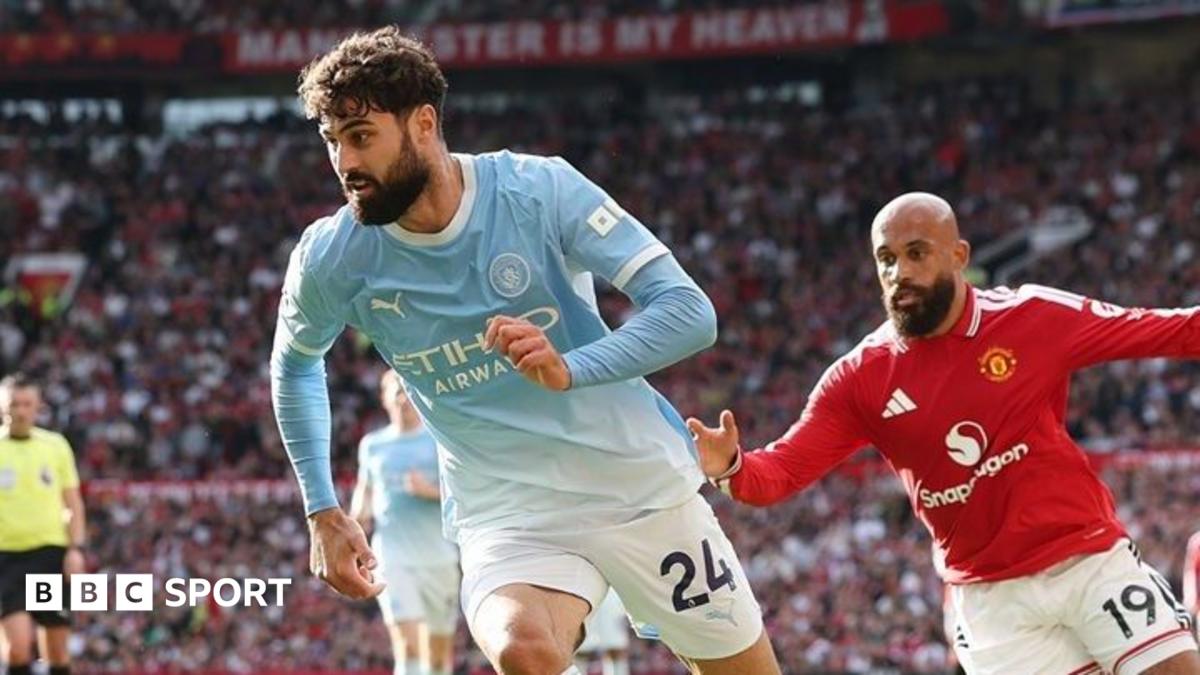
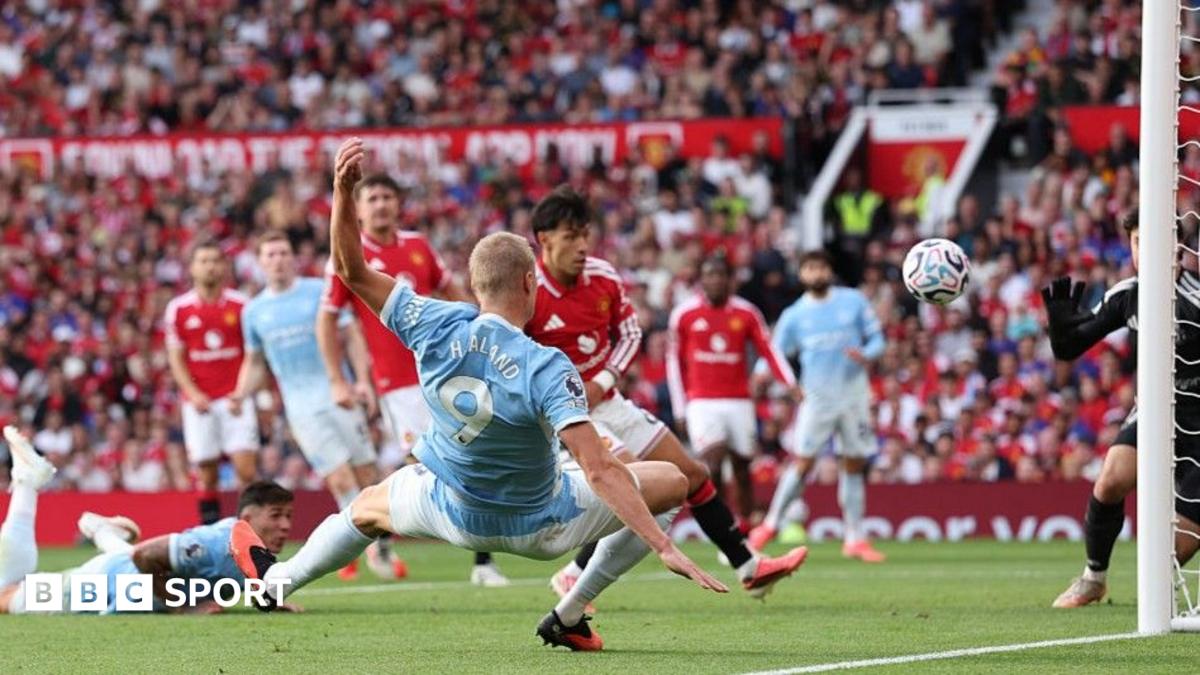
Manchester City's academy is the most lavishly funded production line in world football, yet it has become a high-end estate agent's brochure: impressive to flick through, but the property itself doesn't exist. The club's youth system is a financial success and a sporting mirage.
The numbers that embarrass the Etihad campus
Consider the output. Since Pep Guardiola arrived in 2016, City have graduated precisely one academy player who has become a regular first-team contributor: Phil Foden. That's it. One. Meanwhile, the club has sold or released a conveyor belt of talent that now populates Premier League rivals and European leagues: Cole Palmer (Chelsea), Jadon Sancho (Borussia Dortmund/Man United), Romeo Lavia (Southampton/Chelsea), Morgan Rogers (Aston Villa), James Trafford (Burnley), and more.
The City Football Group's annual reports celebrate £100m+ in player sales profits from academy graduates. They call it "sustainable success". But what does that mean for the first team? Every one of those sales has strengthened a direct competitor or enriched a club that now has no reason to fear City's academy. It's a business model that values the cheque over the shirt.
Why Guardiola's system is the graveyard of youth dreams
The argument from the Etihad is simple: Guardiola's tactical demands are so high that only generational talents like Foden can break through. That's partially true. But it's also a self-fulfilling prophecy. Guardiola's system is so complex that academy players aren't given the patience to learn it; they're loaned out, then sold when they don't instantly shine. The club's own data-driven recruitment team then spends £50m on a foreign wonderkid instead of trusting their own homework.
- Palmer: sold for £42.5m, now Chelsea's talisman. City replaced him with Jeremy Doku for £55m. Palmer's output last season eclipsed Doku's.
- Lavia: sold after one loan, now a midfield anchor at Chelsea. City spent £77m on Matheus Nunes to fill a similar role.
- Rogers: sold for pocket change, now a key Aston Villa attacker. City have spent £125m on wingers since.
This isn't a pipeline; it's a portfolio. City's academy is a trading floor, not a nursery. The club's football leadership has consciously chosen to harvest the profit from their youth development rather than integrate it. That's a strategic decision, not an accident.
The counter-argument that collapses on inspection
Defenders of City will point to the club's domestic dominance and recent Champions League title. They'll argue that the academy's job is to fund elite signings, and that Foden is proof the pathway exists. They'll say Guardiola is the greatest coach alive, and he's earned the right to pick experience over youth.
But this is a cop-out. A club with City's resources doesn't need to sell its best young players to fund signings; it does so because it values short-term balance sheet over long-term squad planning. The club could easily afford to keep Palmer and Lavia if they wanted to. They didn't, because they didn't rate them enough to trust them. That's not a strategy; it's a failure of evaluation and bravery.
And what does the academy actually produce? Not first-team footballers, but saleable assets. City's youth system is a self-sustaining trading post that ultimately weakens the club's competitive ceiling. Every sale of a talented 21-year-old is an admission that the club can't develop its own players beyond a certain level.
The verdict: City's youth project is a house of cards with a golden roof
By 2027, City will sell at least one more academy star — likely Rico Lewis or Oscar Bobb — to balance books or because they've fallen down the pecking order. That player will thrive elsewhere. And City will again spend £60m on a replacement. This cycle is predictable and profitable, but it's not progressive.
My prediction: Before the 2027 Champions League final, Manchester City's academy will have sold more players to Premier League rivals than it has produced for its own starting XI, and the club will have spent over £300m on replacements. The academy will remain a shiny brochure, but the first team will continue to be built on chequebooks, not blueprints.
Related Articles
Filed under: Opinion | LA Premier League Home