Man City found guilty of majority of 115 charges as Premier League wins round one
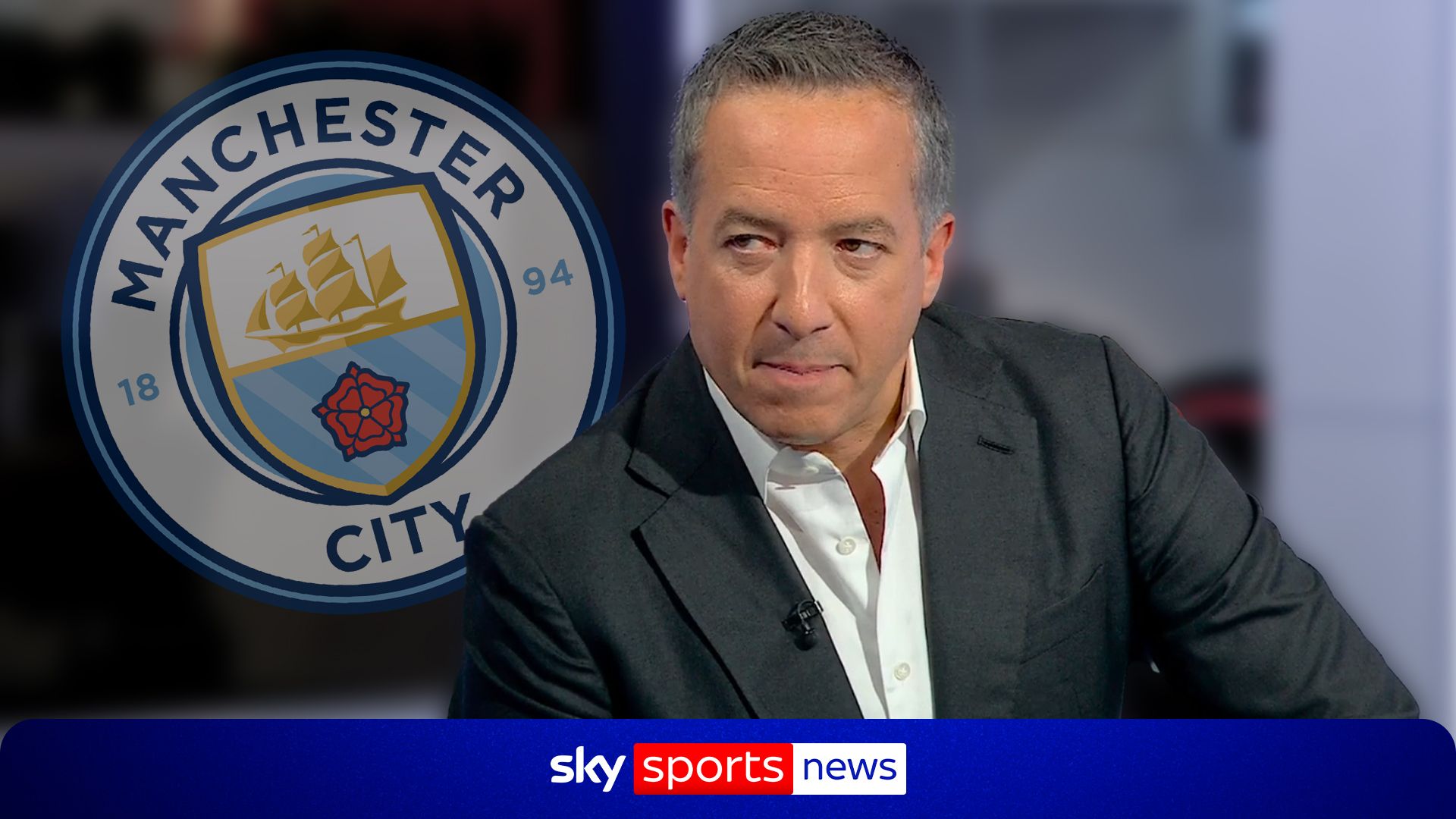
An independent panel has found Manchester City guilty of the majority of the 115 Premier League charges they faced. The verdict, delivered last week, hands the Premier League an early advantage in the biggest disciplinary case in top-flight history. City will appeal, and the punishment remains unknown, leaving the chaos set to continue.
- Verdict: Independent panel found City guilty of the majority of the 115 charges
- Next step: Manchester City will appeal
- Punishment: Still unknown
- Case duration: Details stretch back 17 years
- Key figures: Sheikh Mansour bin Zayed Al Nahyan (owner), Khaldoon al-Mubarak (chairman), Garry Cook (former chief executive), Simon Pearce (director), Jorge Chumillas (former chief financial officer)
- Alleged breaches: Der Spiegel allegations of monetary supplements to Abu Dhabi sponsors and attempts to circumvent FFP
The key players
Dr Sulaiman Al-Fahim was the public face of the Abu Dhabi United Group’s deal to buy Manchester City in 2008, fronting negotiations with the club’s previous owners. He was later sentenced to five years in jail for stealing £5m from his wife to buy Portsmouth – a club he owned for six weeks in 2009.
Khaldoon al-Mubarak is an Emirati official who holds several senior positions within the government of Abu Dhabi. He has been Manchester City’s chairman since the takeover in 2008. The 51-year-old is also the chairman of City Football Group (CFG) – the parent company of the Premier League club.
Sheikh Mansour bin Zayed Al Nahyan is the vice-president and deputy prime minister of the UAE and a member of the royal family of Abu Dhabi. He has been the owner of Manchester City since a £200m takeover in 2008. Der Spiegel alleged in 2018 that Sheikh Mansour provided monetary supplements to existing deals with sponsors in Abu Dhabi to invest more money into the club.
Garry Cook was appointed chief executive of Manchester City in May 2008, under the club’s previous owners. He resigned in 2012 over claims he emailed the mother of defender Nedum Onuoha, mocking her for saying she was ravaged with cancer.
Simon Pearce has been a member of Manchester City’s board of directors since 2008 and is a senior adviser to the Executive Affairs Authority – the Abu Dhabi government agency that advises UAE President Mohamed bin Zayed Al Nahyan. He is also the vice-chairman of Melbourne City FC – another club owned by CFG.
Jorge Chumillas was City’s chief financial officer. Der Spiegel claimed it had seen an email written by Chumillas that showed club officials discussed how to wipe out a £9.9m shortfall in 2013 and circumvent FFP regulations.
The timeline: from takeover to charges
A blue moon rising
Robinho’s arrival at Manchester City for a British record transfer fee on 1 September 2008 was a statement of intent from Abu Dhabi United Group on the day it agreed to take the club off Thaksin Shinawatra’s hands. The Brazilian’s move changed the face of English football forever. Real Madrid president Ramon Calderon said of the 24-year-old: “He’s a great kid, but badly advised.”
BBC Sport’s chief football writer Phil McNulty wrote that the new owners “bulldozed through the Premier League’s established order with a display of financial firepower that stunned Manchester United and left Chelsea bruised and humiliated”.
Dr Sulaiman Al-Fahim said: “We really have deep pockets. Our goal is to make this football club one of the best not just in England but also in the world. To reach that goal there is no limit.”
But as City committed to more than £100m in summer 2009, snaring Carlos Tevez from neighbours Manchester United and Emmanuel Adebayor from Arsenal, Uefa was becoming increasingly concerned by the finances of its clubs. Of almost 650 top-flight clubs across 53 member nations, a Uefa report found more than half were operating at a loss.
FFP entered the football lexicon. Uefa general secretary Gianni Infantino said: “The rules basically say, ‘You cannot spend more than you generate’. They will reward those who play within the rules and have a sound and sustainable business model.” Then president Michel Platini said the new laws, to be applied from 2011, would stamp out “financial doping”.
Mark Hughes’ appointment as City boss predated the new owners by three months, but come December 2009 it was time to pull the plug. They had backed the Welshman with £200m worth of talent in 18 months, despite failed bids for John Terry, Samuel Eto’o and Kaka.
Roberto Mancini, who watched Hughes’ last hurrah from the stands, immediately replaced him, kicking off his tenure with a Boxing Day win over Stoke City. City were pipped to Champions League qualification by Tottenham Hotspur. Amid rumours City could dispense with Mancini, chairman Khaldoon al-Mubarak insisted his job was safe. Mancini said: “I am not a magician and I don’t have a magic wand.”
According to Der Spiegel’s report from the Football Leaks website, run by Portuguese whistleblower Rui Pinto, Mancini had a second income. In an alleged attempt to circumvent Uefa’s impending FFP rules, it is claimed Mancini was handed a lucrative deal as a consultant for Al Jazira Sports and Cultural Club in the Arabian Gulf League, owned by Sheikh Mansour, worth £1.75m for a minimum of four days’ work per year, and more than his annual basic contract at City. Mancini, like Manchester City, has always denied any wrongdoing.
After another £100m+ summer injection of talent, adding Edin Dzeko, Mario Balotelli, Yaya Toure, David Silva and James Milner to the squad, along with defenders Jerome Boateng and Aleksandar Kolarov, Mancini beat United in the FA Cup semi-final en route to ending the Citizens’ trophy drought in May 2011. Hours after United swept to a 19th league title, and with City assured of Champions League football for the first time, Mancini’s side beat Stoke at Wembley to win their first major prize since the 1976 League Cup.
“This could be a turning point for us,” claimed the boss, as City players revealed their own “00 years” banner. “There is a blue moon rising,” added another banner shown by the expectant fans.
AGUEROOOOO
After a summer celebrating their first trophy in 35 years, City began preparing for life in the Champions League as Uefa’s FFP regulations took hold. Clubs were required to balance their books over three-year cycles, starting from 2011-12, with the first deadline in 2013. With losses of £123.3m the previous season, City would have fallen foul of the new guidelines. The punishment for non-compliance? “The atomic bomb is a ban from European competition,” threatened Uefa.
What was said
“We really have deep pockets. Our goal is to make this football club one of the best not just in England but also in the world. To reach that goal there is no limit.”
“He’s a great kid, but badly advised.”
“The rules basically say, ‘You cannot spend more than you generate’. They will reward those who play within the rules and have a sound and sustainable business model.”
“I am not a magician and I don’t have a magic wand.”
“This could be a turning point for us.”
“There is a blue moon rising.”
“The atomic bomb is a ban from European competition.”
These quotes frame the narrative that has led to the current crisis. Al-Fahim’s boast of “deep pockets” and “no limit” set the tone for an era of unprecedented spending. Calderon’s jibe about Robinho being “badly advised” hints at the scepticism that greeted City’s new wealth. Infantino and Platini’s FFP rules were designed to curb such excess, and Uefa’s “atomic bomb” threat shows the stakes. Mancini’s denials of wrongdoing, echoed by the club, remain central to City’s defence.
The numbers
- 115 – Premier League charges faced by Manchester City
- 17 – years of details in the case timeline
- £200m – Sheikh Mansour’s takeover fee in 2008
- £100m+ – City’s spending in summer 2009
- £200m – talent backed under Mark Hughes in 18 months
- £123.3m – City’s losses the season before 2011-12
- £9.9m – shortfall Chumillas allegedly discussed wiping out
- £1.75m – Mancini’s alleged Al Jazira consultancy fee for four days’ work per year
- 650 – top-flight clubs across 53 Uefa member nations
- 1976 – last major trophy before 2011 FA Cup
Why this verdict matters for City’s future
The independent panel’s guilty verdict on the majority of charges puts Manchester City in unprecedented territory. The club’s on-field success – from the 2011 FA Cup to the Guardiola years – is now overshadowed by a case that could result in a ban from European competition, as Uefa once threatened. The appeal process means the final outcome could take months, if not years, leaving the Premier League’s competitive balance in limbo.
Key figures like Khaldoon al-Mubarak and Sheikh Mansour face scrutiny over their stewardship. The alleged £1.75m consultancy for Mancini and the £9.9m shortfall email are just two details in a complex web of financial engineering. City’s defence has consistently denied wrongdoing, but the panel’s verdict suggests the Premier League has built a compelling case.
On the pitch, City’s dominance under Pep Guardiola – whose years are listed in the source as “The Guardiola Years” – could be remembered differently if sanctions follow. The trophies keep coming, but so does the legal pressure.
Talking points
- Should Manchester City face relegation or a points deduction if the guilty verdict is upheld, or is a fine and transfer ban enough for 115 breaches?
- The alleged £1.75m consultancy for Mancini and the £9.9m shortfall email – do these prove a deliberate attempt to deceive Uefa, or are they just accounting practices?
- With City set to appeal, is the Premier League’s victory in round one meaningful, or will the process drag on until the charges expire?
- Does this verdict taint every trophy City have won since the 2008 takeover, including the 2011 FA Cup and the Guardiola era?
What happens next
Manchester City will appeal the independent panel’s verdict. The punishment – which could range from a fine to a ban from European competition – will be determined after the appeal process. The Premier League has won round one, but the final decision could take months. City’s next fixture and the Premier League table remain secondary to the legal battle that will define the club’s future.
Frequently asked questions
What were Manchester City found guilty of?
An independent panel found City guilty of the majority of the 115 Premier League charges they faced. The specific charges include alleged breaches of FFP regulations and failure to cooperate with the Premier League.
Will Manchester City appeal the verdict?
Yes, Manchester City will appeal. The club has consistently denied any wrongdoing, and the appeal process means the final outcome and punishment remain unknown.
What punishment could Manchester City face?
The punishment is still unknown. Uefa once described a ban from European competition as “the atomic bomb” for FFP non-compliance, but the Premier League’s independent panel will decide the sanction after the appeal.
Related Articles
Filed under: Latest News | LA Premier League Home