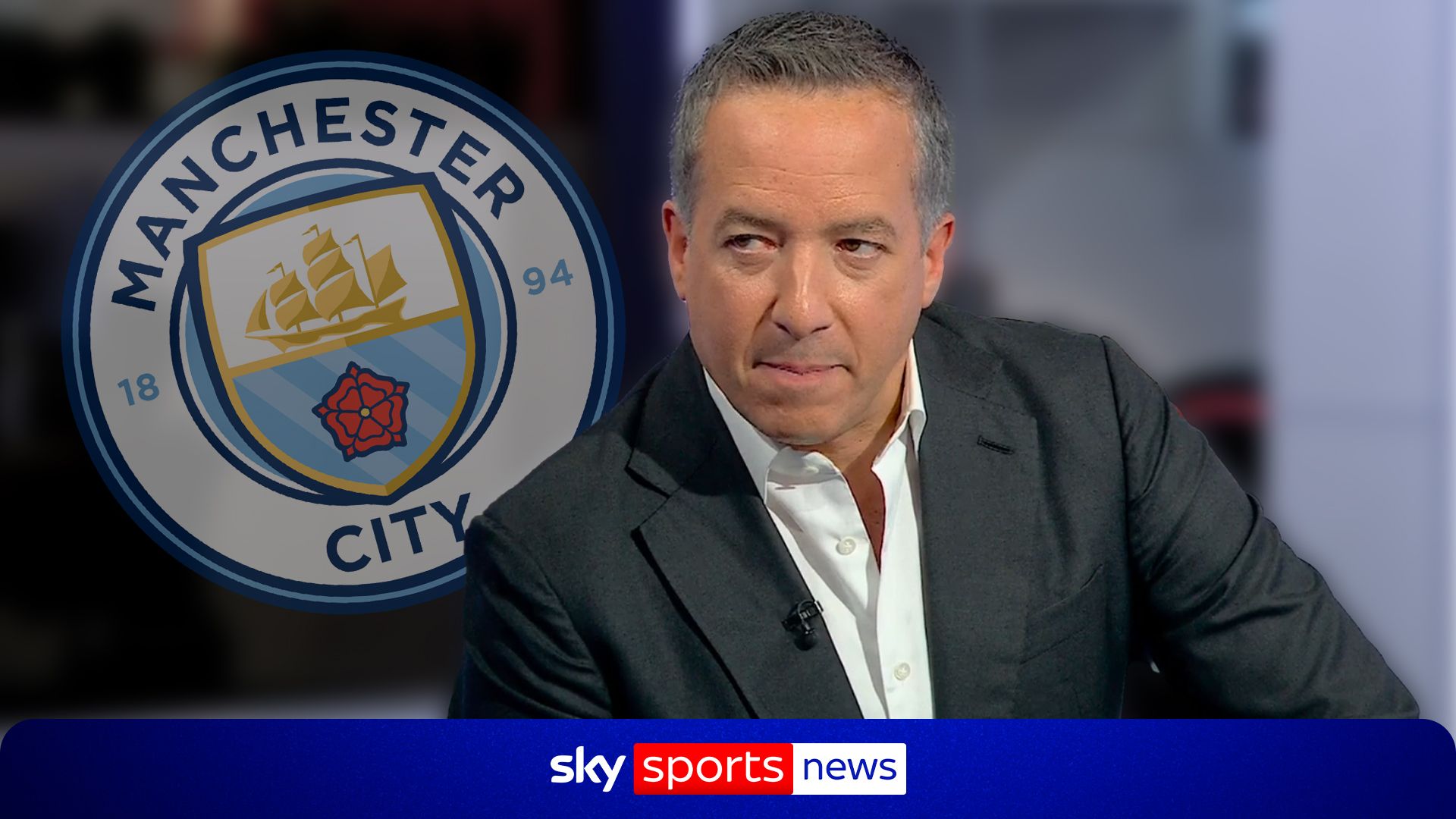
Acun Ilicali: Man City's 115 breaches are like medal doping
Acun Ilicali has compared Manchester City's 115 alleged financial breaches to medal doping, arguing that any future success would be permanently tainted. The Hull City owner, a prominent figure in English football, made the comparison as the Premier League's long-running case against City continues to cast a shadow over the competition.
- Who: Acun Ilicali, owner of Hull City
- What: Compared Manchester City's 115 alleged breaches to medal doping
- Why it matters: Questions legitimacy of any City success while charges hang over the club
- Context: Manchester City face 115 alleged breaches of Premier League financial rules
- Status: The case remains unresolved; no verdict has been delivered
What was said
"City's breaches are like medal doping."
Ilicali's comparison is deliberately inflammatory. Medal doping taints not just the moment of victory but the entire record of an athlete. By deploying that analogy for Manchester City's 115 alleged breaches, Ilicali is arguing that any trophy lifted while the charges remain unresolved cannot be considered clean. It is a direct challenge to the legitimacy of the club's recent dominance.
The Hull City owner is not a neutral voice. As a fellow member of the English football pyramid, he has a stake in how financial rules are enforced. His intervention reflects a broader frustration among owners outside the elite that the Premier League's financial controls are either unenforceable or selectively applied. Whether the analogy holds legally is another matter — doping cases involve individual athletes and scientific evidence, whereas City's case involves commercial revenue and accounting. But as a rhetorical device, it lands.
Why Ilicali's analogy cuts deeper than a standard FFP complaint
Manchester City's 115 alleged breaches are not a simple accounting dispute. The very volume of charges — 115 — suggests a pattern rather than an isolated error. For rival owners like Acun Ilicali, the frustration is existential: if the rules cannot be enforced, then the competition is not a level playing field. Doping analogies resonate because they imply that the result itself is counterfeit, not just the method.
City will point to the presumption of innocence. That is legally correct. But it does not answer Ilicali's point. He is not delivering a verdict; he is questioning the value of a title won while an investigation hangs over the club. That distinction matters because it is ultimately a reputational argument, not a legal one. And reputational damage is something no appeal can fully undo.
Talking points
- Is the medal doping comparison fair, or does it prejudge a case that has not yet been decided? City are entitled to the presumption of innocence.
- Ilicali owns Hull City, not a Big Six club. Does that make him a credible outsider voice on FFP, or does it expose self-interest?
- If City are cleared, does this intervention look reckless? If they are found guilty, does it become the defining quote?
- Should rival owners be commenting at all while the independent process is ongoing?
What happens next
The Premier League's proceedings against Manchester City remain ongoing. Ilicali's comments will not change the legal timetable, but they raise the temperature around every City trophy lifted before a verdict. The next significant step will be any procedural update or hearing date. Until then, every City win will be accompanied by this question.
Frequently asked questions
What did Acun Ilicali say about Manchester City?
He said that Manchester City's 115 alleged breaches are like medal doping, implying that any success would be tainted.
How many breaches is Manchester City accused of?
Manchester City face 115 alleged breaches of Premier League financial rules, according to the source.
Who is Acun Ilicali?
Acun Ilicali is the owner of Hull City, as stated in the source article.
Related Articles
Filed under: Latest News | LA Premier League Home