
The £40m Misdirection
Everton’s summer business is a masterpiece of misdirection, a carefully constructed illusion that the club is finally being run with precision. But peel back the layers of their data-led recruitment and you find a squad still structurally incapable of playing modern Premier League football.
The Myth of the Moneyball Model
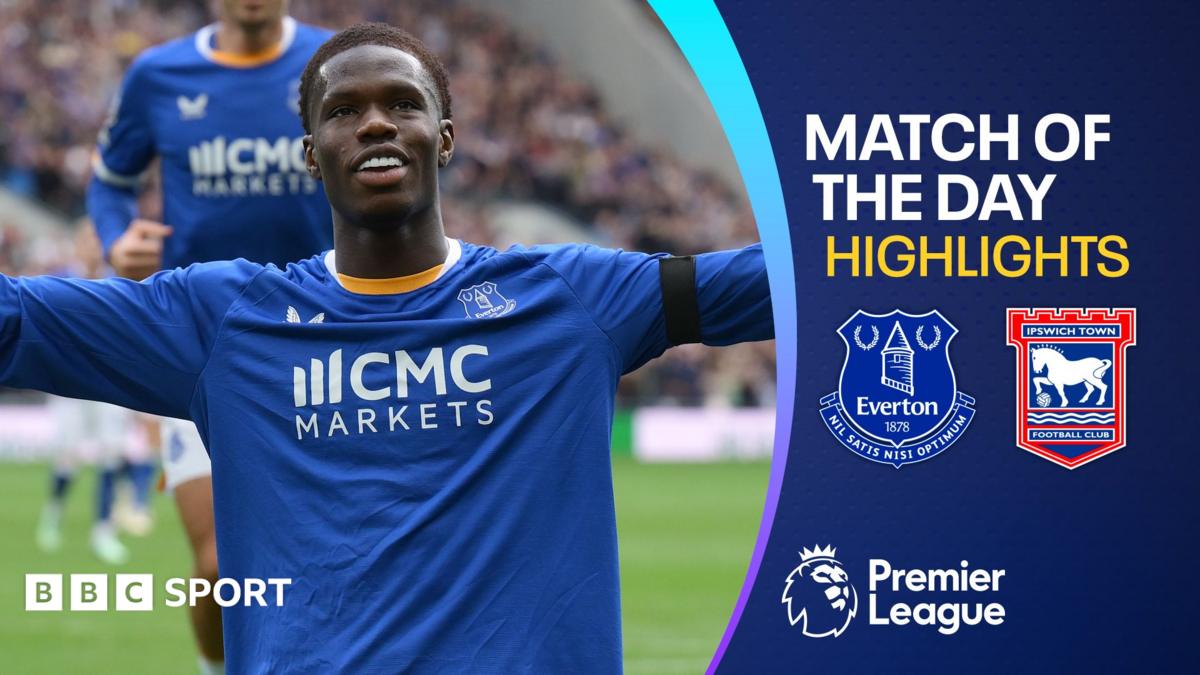
When Sean Dyche signed Iliman Ndiaye for £15m, the narrative was clear: Everton had found a gem in the analytics. Ndiaye’s progressive carries and expected assists ranked him among the Championship’s elite. The club touted his versatility, his work rate, his age. Yet this signing, like too many others, fails to address the fundamental imbalance that has plagued Goodison for years.
Compare this to Brentford, the league’s true data mavericks. The Bees don’t just buy numbers; they buy a system. Every player is scouted for a specific role in Thomas Frank’s fluid 4-3-3. When they sold Ivan Toney, they had already integrated Keane Lewis-Potter and Yoane Wissa as direct replacements. Everton, by contrast, buy assets and hope they can adapt to Dyche’s rigid 4-4-1-1. Ndiaye is now asked to play as a second striker, a position he rarely occupied at Marseille. The result? He drifts wide, leaving Dominic Calvert-Lewin isolated.
The Structural Rot
Everton’s problem isn’t a lack of talent; it’s a lack of coordination. Match the average positions of their midfielders to any top-half side and you see vast, unexploitable gaps. At 2-0 down to Aston Villa in Gameweek 3, their three centre-backs received 40% of their passes inside their own half, with no forward mobility. This isn’t a coaching issue—Dyche’s Burnley were similarly pragmatic but effective. The difference is that Burnley had a settled spine. Everton’s XI has changed more than any club’s in the last three seasons, barring a relegation-threatened side.
The transfer committee deserves scrutiny. There is no overarching plan beyond 'buy young, sell high'. They have purchased six players since January, none of whom occupy the same position or profile. This scattergun approach might work for a mid-table side, but for a club with three consecutive seasons of 14th or worse, it’s a luxury gamble.
- In 2023-24, Everton’s midfield ranked 19th for line-breaking passes per 90.
- They are 17th for ball recoveries in the final third, despite Dyche’s aggressive pressing instructions.
- Their full-backs (Coleman and Young, both 34 and 38 respectively) offer no width; the team’s expected crosses from open play is the league’s lowest.
But What If It’s Deliberate?
One could argue Everton are building for the future, that the reduced spending is a necessary correction after years of financial doping. The new stadium, the PSR constraints—they are rebuilding pragmatically. Yet this isn’t a rebuild; it’s a patchwork. A rebuild implies a philosophy, a long-term identity. Dyche’s football has no identity other than survival. He openly states his desire for 'winner mentality', but that is not a tactical system.
Moreover, the data-driven approach isn’t even consistent. They paid £15m for Nathan Patterson in 2022, a full-back who has started only 19 league games. They simultaneously bought Dwight McNeil, a traditional winger, and then played him at left-back. If there is a clear-eyed strategic plan, it is invisible to the naked eye. The only constant is short-term reaction to relegation scraps.
The Verdict
Everton will finish 16th this season—above the drop zone, but only just. They will survive, not because of the vision, but despite it. The data-led veil will be lifted when Dyche leaves, and the next manager inherits a squad of mismatched parts. By May 2026, if not sooner, the club will be in a relegation dogfight once more, and the fans will ask why the £40m was squandered on a façade. This isn’t a prediction for doom; it’s a warning against mistaking activity for progress.
Related Articles
Filed under: Tactical Analysis | LA Premier League Home