
Palace’s Midfield Is Not a Unit — It’s a Collection of Soloists
Watch Crystal Palace for ten minutes and you’ll see a midfield that isn’t shaping a game plan; it’s reacting to one. There’s no pivot, no trigger, no layer of protection for a defence that leaks too often. Under Oliver Glasner — if he takes over — this must be the first wound to cauterise.
The Geometry of Chaos: A Historical Comparison
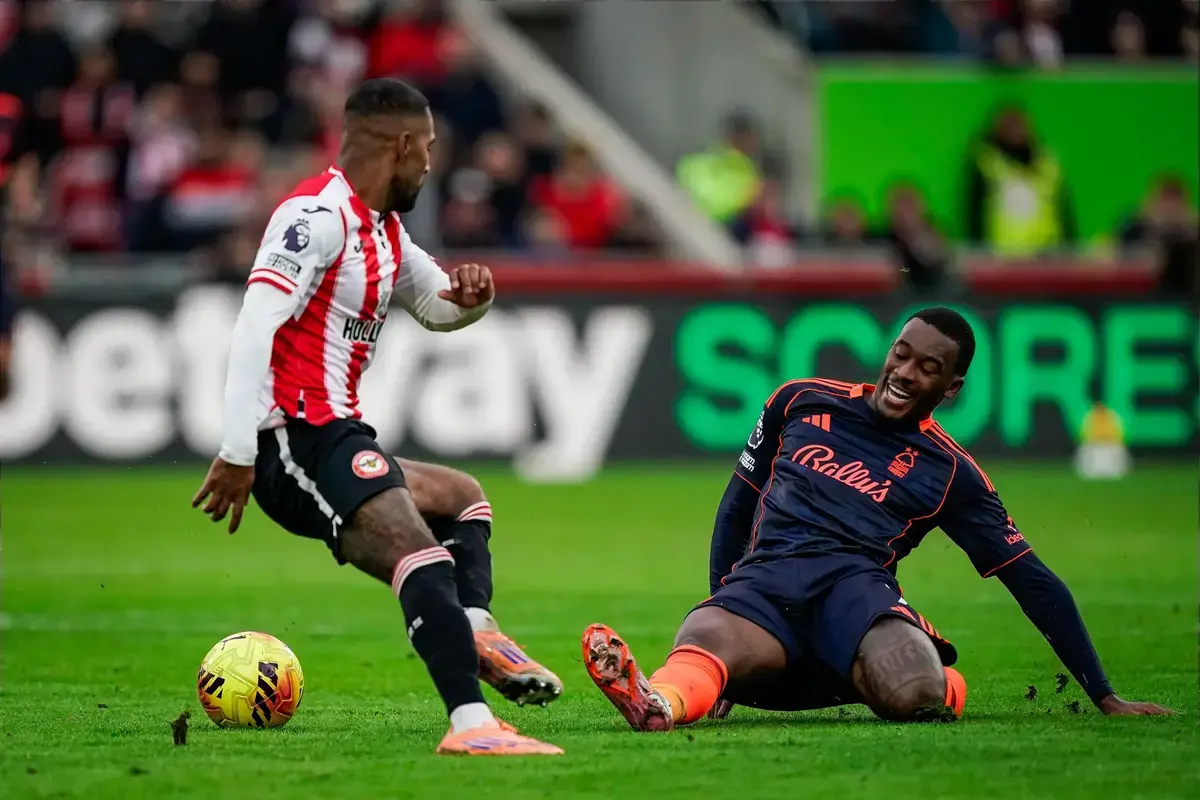
Compare Palace’s shape to the great midfields of the mid-table: Sean Dyche’s Everton, for instance, or even Thomas Frank’s Brentford. Those teams give you a clear grid — one holder, one shuttler, one creator. Palace give you Jefferson Lerma running into space vacated by Will Hughes, with Eberechi Eze dropping deep to collect the ball because nobody else can.
That geometry fails twice. First, it leaves the back four exposed — no sitter, no compact block. Second, it forces the forwards to drop into midfield just to see the ball, which means no one waits for the final pass. The numbers confirm this: Palace’s expected goals from central areas ranks sixteenth in the league, while their passes per defensive action in midfield zones is twentieth.
The Argument: Glasner Must Rip It Up and Start Again
Palace’s midfield is a collection of players who want different things:
- Jefferson Lerma — a destroyer who chases the ball but loses positional discipline.
- Will Hughes — a neat passer who lacks the range to unlock a defence.
- Eberechi Eze — a creator who needs the ball, but not in his own half.
- Adam Wharton — a raw talent without the physicality to anchor.
Glasner’s system at Eintracht Frankfurt relied on a double pivot that gave both security and overloads. He will have to find that balance with players who have no natural pairing. The logical step is to play Wharton as a deep-lying playmaker with Lerma as a disciplined sitter, then push Eze into the number-ten role he has always wanted. But Wharton’s defensive awareness is still developing, and Lerma’s natural instinct is to charge forward.
Counter-Argument: “The Attackers Are the Real Problem”
Some will say Palace’s real issue is the front line: Matheus França is raw, Jean-Philippe Mateta blows hot and cold, Odsonne Édouard never settles. But a midfield that cannot deliver the ball accurately or protect against transitions will starve any striker. Even Erling Haaland would struggle if he had to drop to the halfway line to touch the ball.
Look at the data: Palace’s pass completion in the final third is 74%, the fourth worst in the league. That’s not a forward’s problem — that’s a midfield that cannot pick a pass under pressure. The defenders are forced to go long, which bypasses the midfield entirely, creating a disconnect that makes the team look like two separate entities. The counter-argument ignores the causal chain: fix the engine room, and the forwards will get service.
Verdict: Unless Glasner Fixes the Base, Survival Is a Fantasy
If Glasner inherits this midfield as is, Palace will finish nineteenth. The correct move is to drop Hughes for a more combative player in January — perhaps a loan for a Serie A veteran like Morten Frendrup — and to drill Lerma to stay in a zone. My prediction: within ten games of Glasner’s appointment, Palace will have a recognised double pivot or they will be outside the relegation zone by only three points. That small margin will be the difference between a rebuild and a fall.
Related Articles
Filed under: Tactical Analysis | LA Premier League Home