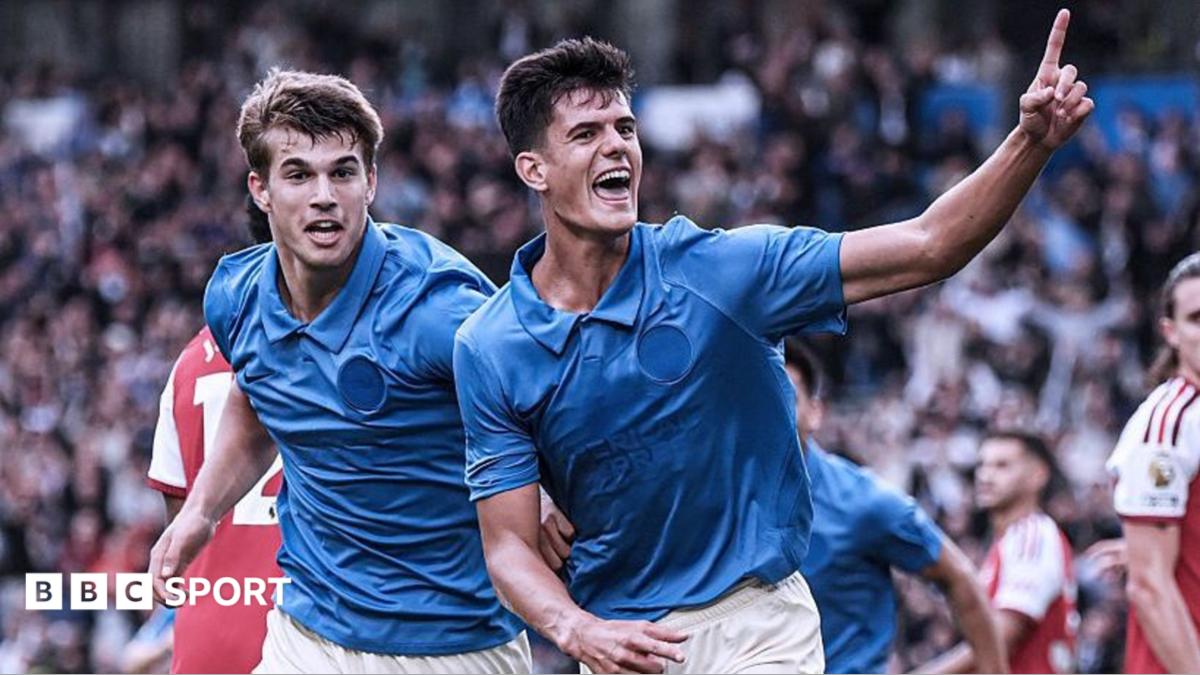
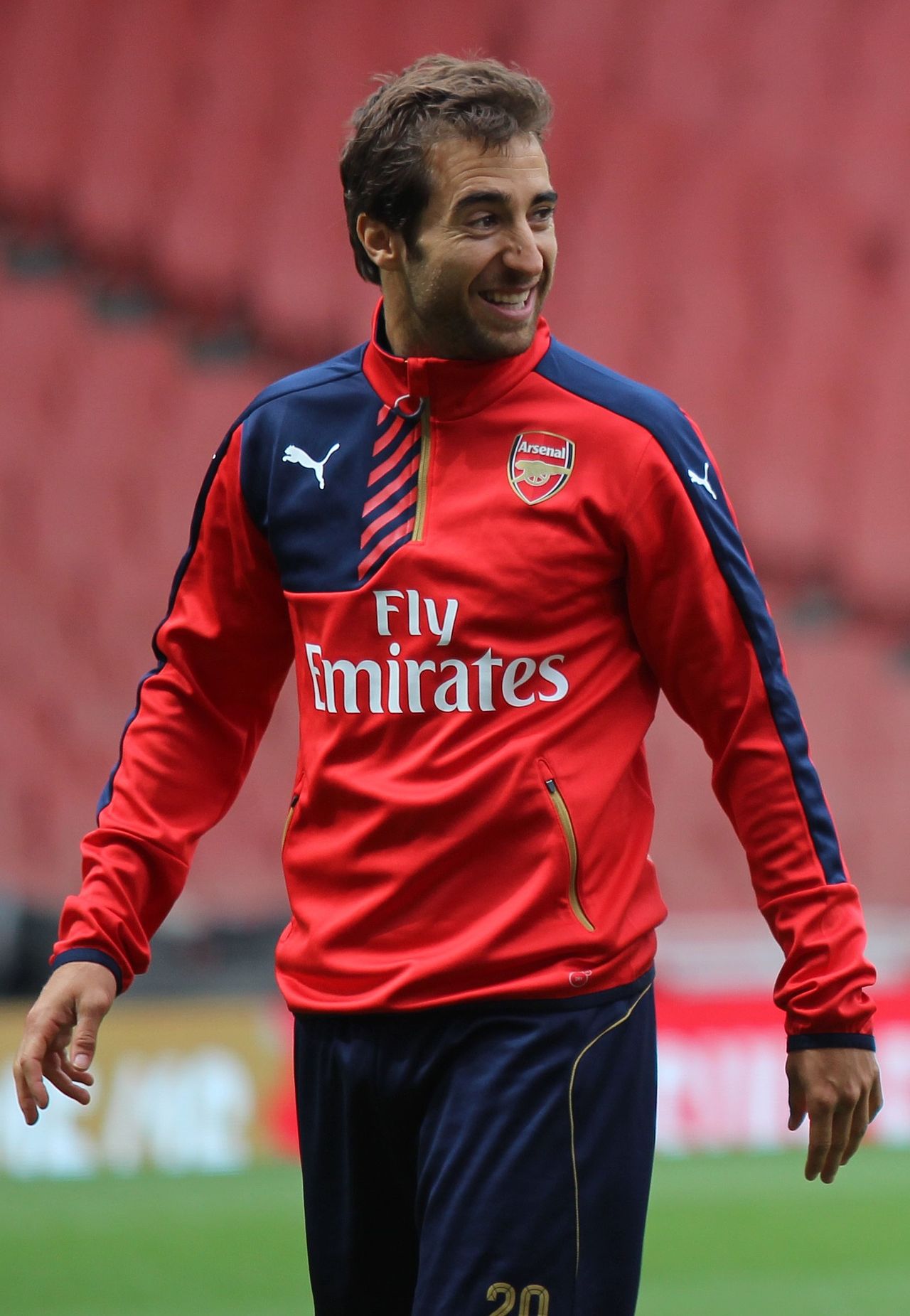
Crystal Palace's midfield isn't just average — it's a structural void that threatens to collapse Oliver Glasner's entire project.
Watch Palace for any length of time and you notice the same pattern: the ball circulates harmlessly between centre-backs, full-backs hesitate, and the pass into midfield is either backwards or hopeful. This isn't a crisis of confidence. It's a design flaw baked into the squad.
Modern Premier League sides need at least one midfielder who can receive under pressure, turn, and progress play. Palace have none.
Jefferson Lerma and Cheick Doucouré are both excellent destroyers — combative, athletic, superb at breaking up play. But neither offers progressive passing or composure in tight spaces. Doucouré averages just 4.2 progressive passes per 90, placing him in the bottom 15% of Premier League midfielders. Lerma's numbers are even starker: 3.1. For context, even defensively-minded midfielders like João Palhinha (5.8) and Moisés Caicedo (6.1) far exceed that output.
The absence of a deep-lying playmaker forces Palace's build-up wide, where they become predictable. Opponents simply show them outside, compress the half-spaces, and wait for the cross. Palace rank 16th for chance creation from open play — and their expected goals from midfield is the league's lowest.
Three specific tactical consequences of this midfield void:
- Overload on centre-backs: Marc Guéhi and Joachim Andersen are forced to carry the ball forward, exposing them to counter-attacks. Palace have conceded 12 goals from fast breaks — second-worst in the division.
- Wingers isolated: Eberechi Eze and Michael Olise receive the ball with defenders already set, rarely in space. Eze's dribble success rate has dropped from 62% to 51% since he's had to drop deeper to get involved.
- No second-ball security: When Palace clear possession, Lerma and Doucouré are often out of position, leaving gaps for opponents to recycle. Teams like Brighton and Aston Villa have exploited this ruthlessly, creating 8 of their 14 shots against Palace from second-phase attacks.
Some might argue that Glasner's system doesn't require a playmaker — his Wolfsburg side thrived with more athletic, vertical midfielders.
But the Bundesliga is not the Premier League. In Germany, Wolfsburg faced less intense pressing and could bypass midfield with direct balls to tall forwards. Palace's attackers — Odsonne Édouard, Jean-Philippe Mateta — are not target men. They need service to feet. Without a midfield distributor, Palace's attack becomes a series of hopeful punts. The data bears this out: Palace average just 8.9 passes per sequence, third-lowest in the league, and their pass completion rate in the final third is a dismal 67%.
Glasner has tried shifting formation to a 3-4-3, pushing full-backs higher, but the root cause remains. The midfield two are too defensive and too limited on the ball. Even a player like Will Hughes — technically tidy but physically overmatched — has been deployed out of desperation. The result is a team that creates nowhere near enough to survive comfortably.
By January, Palace will realise their midfield imbalance is terminal. They will finish 14th — and only a winter signing of a true metronome can change that.
If they fail to address it, expect a relegation scrap. The structural void is that severe. Glasner's reputation will hinge on this single, fixable flaw — but fixing it requires a profile the club have ignored for three windows.
Related Articles
Filed under: Tactical Analysis | LA Premier League Home