
Welcome to the Premier League’s accounting theatre: where selling a £100m player leaves you poorer than before.
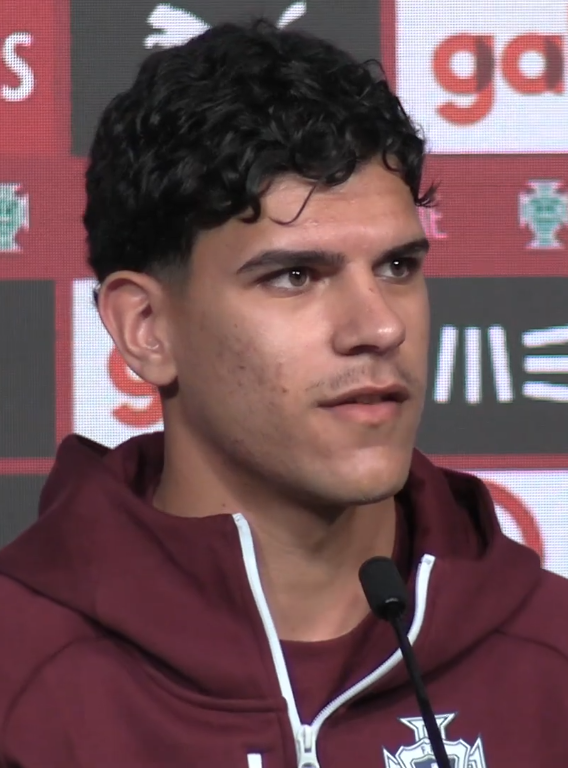
Newcastle United have just agreed to sell Sandro Tonali to Tottenham Hotspur for a British record £100m. The club’s reward? They now cannot spend that windfall without triggering Profit & Sustainability Rules (PSR) sanctions. This is not a bug. It is the feature of a regulatory architecture designed to entrench the status quo.
The PSR paradox: why selling stars is a fiscal trap
Under PSR, a club’s allowable losses over three years are capped at £105m. Selling a player yields an immediate profit on disposal — in accounting terms, the full fee minus the remaining book value. For Tonali, signed for £55m in 2023 with a five-year contract, his book value after two seasons is £33m. The sale thus books a £67m profit.
That sounds like freedom. But the profit is amortised over the three-year PSR cycle. Newcastle’s losses from previous windows — £150m in the first two years — mean that even with Tonali’s £67m gain, they have £45m of headroom. That is not enough to sign a replacement of equivalent quality without selling again. The system compels clubs to weaken themselves.
The same logic that saved Chelsea and punished Everton
In January 2023, Chelsea sold academy graduates Mason Mount and Ruben Loftus-Cheek for a combined £100m. That pure profit — zero book value for homegrown talent — gave them headroom to spend £400m in the following windows. Everton, by contrast, tried to spend within their means but fell foul of PSR because their losses came from operational costs, not player amortisation.
- Chelsea sold academy players for £167m pure profit in 2023-24, clearing space for £300m of new signings.
- Everton overspent by £19.5m on losses from wages and infrastructure, deducted 10 points.
- Newcastle will likely need to sell Bruno Guimarães or Alexander Isak next summer just to buy a left-back.
The rule incentivises churning academy graduates and punishes clubs that invest in their squad and stadium. It is a tax on organic growth.
But surely PSR protects clubs from bankruptcy?
This is the standard defence: without PSR, clubs would splurge into oblivion. Yet the Premier League’s own data shows that between 2018 and 2023, 18 of 20 clubs complied with PSR without distress. The two that breached — Everton and Nottingham Forest — did so by £4.5m and £14m respectively, sums that would not trigger insolvency. Meanwhile, Leicester City entered administration without breaching PSR, because their losses were hidden by player sales. The rule is not a solvency guardrail; it is a competitive straitjacket.
The verdict: Newcastle’s sale proves PSR must be scrapped
By July 2025, either Newcastle will have sold another star to fund a rebuild, or they will have stagnated into a mid-table side despite receiving £100m for their best midfielder. That outcome is baked into the rules. Expect the Premier League to tighten PSR further at the next shareholders’ meeting, not relax it. And when Newcastle finish tenth next season, the governing body will cite the Tonali sale as evidence that the system works.
Related Articles
Filed under: Opinion | LA Premier League Home