Carrick's last chance? The fixes Man Utd may need at Chelsea
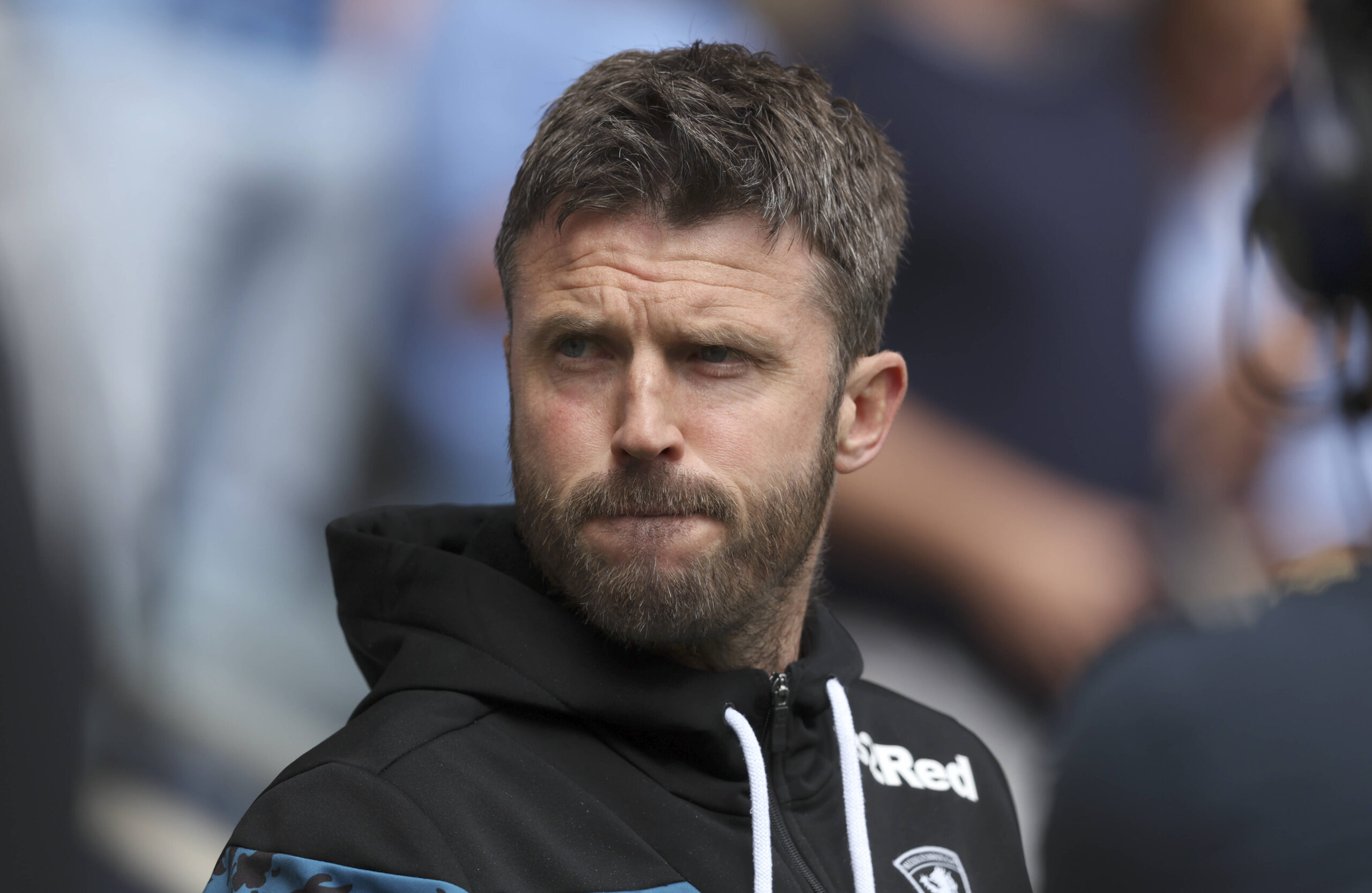
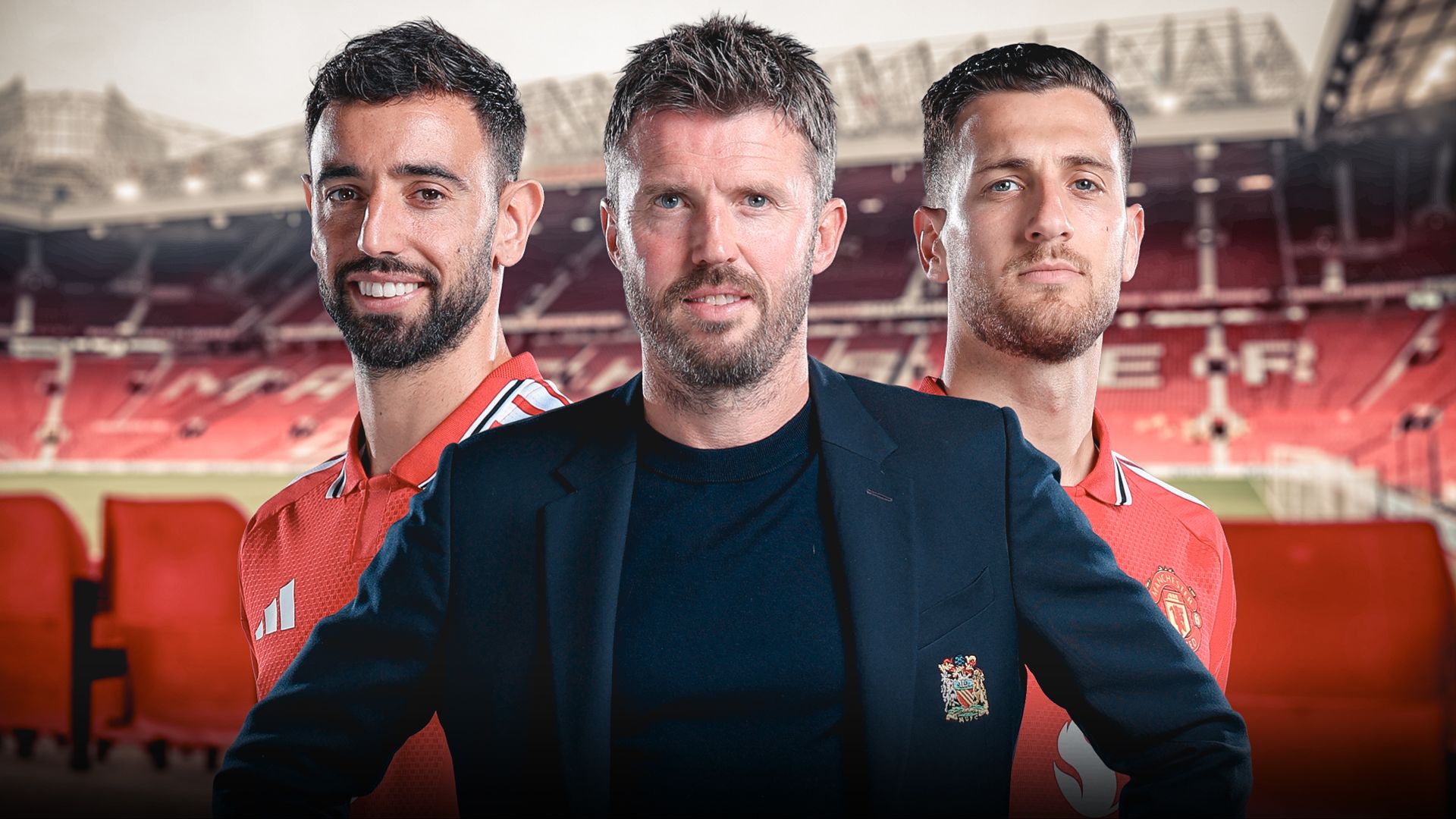
Michael Carrick takes Manchester United to Chelsea on Saturday with his position under scrutiny after eight games without a win. The performances have raised as many questions as the results, and Carrick must find solutions quickly. Here are the changes he could make.
- Fixture: Chelsea vs Manchester United, Premier League, Saturday.
- Pressure: Carrick has overseen eight games without a win.
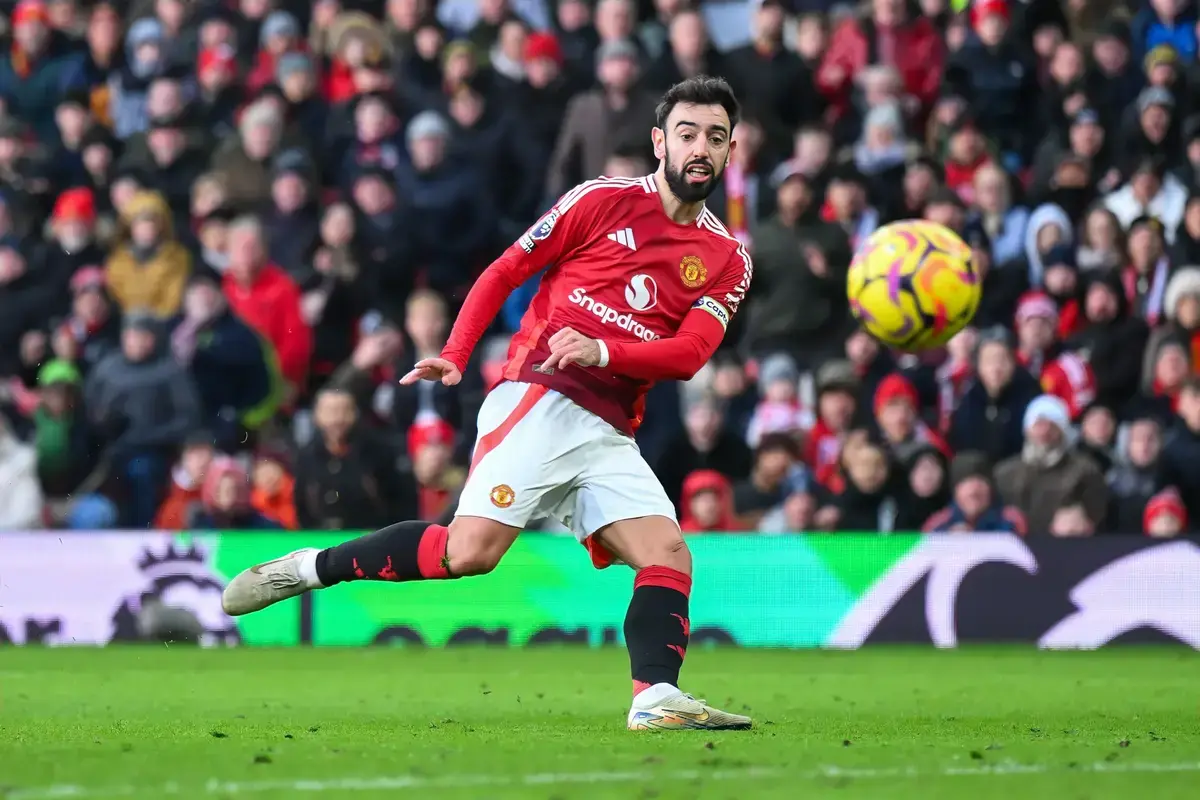
- Key decision: Bruno Fernandes was left on the bench against Bournemouth and not brought on.
- Tactical issue: United have used a high block in 36% of opposition build-up phases – only Tottenham and Liverpool more.
- What's at stake: Carrick needs a result to ease mounting pressure.
Stop the high press and make United harder to play through
One of the biggest problems facing Carrick is that Manchester United are making life too easy for their opponents. The intention to be more aggressive out of possession is understandable, but the execution has been off. United have repeatedly been pulled out of position, with gaps opening between the forward line and midfield that opponents have exploited to progress through the centre or find space out wide.
United are among the Premier League's most frequent users of a high block, employing it for 36 per cent of opposition build-up phases. Only Tottenham and Liverpool have used it more often, with Manchester City level with United.
But pressing high is one thing, making it work is another. United have won the ball high up the pitch 52 times this season, but only 10 of those occasions have led to a shot. They have yet to score from one.
Defeats to Atletico Madrid and Como exposed those weaknesses. United's attempts to press have lacked the coordination and intensity required to make the approach effective, leaving defenders exposed when the first line is bypassed.
Bruno Fernandes questioned the decision not to press man to man against Como, arguing that opponents were being given too much time to build attacks. But the answer is not necessarily to press higher and harder. United must first establish a structure they can execute consistently.
There were encouraging signs against Leeds, when Carrick's side looked more disciplined and compact, even if they could not turn a 1-1 draw into victory.
There is also a wider issue with United's defensive shape. They have spent just 56.5 minutes in a high defensive compactness structure this season, the 18th-lowest figure in the Premier League.
A similar approach to the Leeds game at Chelsea would make sense. United need shorter distances between their defensive and midfield lines, better protection in central areas and a clearer understanding of when to engage. Until United can defend as a unit, their tactical confusion will continue.
Fernandes must return to the starting XI
Leaving Fernandes on the bench against Bournemouth was a significant decision, particularly after the captain questioned United's tactics following the Champions League defeat to Como.
Carrick insisted it was a football decision, but the midfielder's absence was impossible to ignore as United suffered another damaging defeat. Fernandes was not even introduced as the situation deteriorated, leaving questions over whether the decision was based purely on performance or also reflected a power play from Carrick.
The clear-the-air talks between the pair this week appear to have drawn a line under the disagreement. Carrick has reiterated that Fernandes remains captain and said the club can move forward together.
There is no guarantee Fernandes alone can transform United's fortunes. His own performances have not consistently reached the levels of last season, and the team cannot continue relying on individual quality to compensate for collective shortcomings.
However, he remains one of United's most influential players, capable of creating chances, progressing possession and providing the decisive pass in transition. When he is on song, his ability to connect midfield and attack is particularly important when United struggle to break down organised defences.
Carrick needs his best players on the pitch, especially when results are this poor. If Fernandes is fit and ready, leaving him out again would be difficult to justify.
Turn to youth?
What is ironic about Manchester United's recent struggles is that the senior players Carrick relied on during his impressive interim spell last season are now struggling to deliver the same levels of performance.
Fernandes must return to the starting XI but reinstating the captain should not mean ignoring the youngsters who could inject some much-needed energy into a team that has looked short of intensity and conviction.
Harry Amass impressed during pre-season and deserves an opportunity to compete for a place at left-back. With United struggling to find consistency in that position, there is a case for giving the youngster a chance to show what he can offer.
Shea Lacey is another option. The 19-year-old has had limited opportunities since scoring in the Carabao Cup against Brighton, but has shown the enthusiasm and willingness to take responsibility that United have lacked at times.
Introducing young players is not a solution to every problem, and throwing them into a struggling side comes with its own risks. But if experienced players are not delivering, Carrick must be willing to look elsewhere.
Fernandes can provide the quality to complement that youthful energy. United need a balance of experience and enthusiasm - and Carrick should not be afraid to give the next generation an opportunity to make their mark.
Go back to basics and stop moving players around
Man Utd this season appear to be spending as much time adapting to new positions as they are trying to find form.
Diogo Dalot has operated at both right-back and left-back, while Leny Yoro has been used at right-back as well as centre-back. Mason Mount has featured on the right, and Youri Tielemans, previously viewed as a deeper-lying midfielder, has recently been pushed into more advanced positions.
Further forward, Matheus Cunha has been asked to operate from the left and through the middle, while Bryan Mbeumo has predominantly featured on the right despite producing some of his best football centrally last season.
There are understandable reasons for some of these changes, including injuries and the need to find a winning combination. But the constant reshuffling has made it difficult for United to establish consistent partnerships and give players a settled understanding of their roles.
Carrick's willingness to experiment was one of the positives of his interim spell, especially in the transition away from what Ruben Amorim was often critiqued for.
Against Chelsea, he needs to identify the strongest available XI and give players the best opportunity to perform in positions that suit them. That does not mean abandoning tactical adjustments, but United need a reliable foundation before they can start building something more ambitious.
What was said
"Bruno Fernandes questioned the decision not to press man to man against Como, arguing that opponents were being given too much time to build attacks."
Fernandes's comments highlight the frustration within the squad over United's pressing strategy. The captain's willingness to speak out shows he cares deeply about the team's direction.
Carrick's response – insisting the decision to bench Fernandes was purely football-related – suggests he is trying to maintain authority while managing a key player's concerns. The clear-the-air talks indicate both parties are keen to move forward.
The numbers
- 36% – United's high block usage in opposition build-up phases (only Tottenham and Liverpool higher, Man City level).
- 52 – Times United have won the ball high up the pitch this season.
- 10 – Of those 52 high turnovers, only 10 have led to a shot.
- 0 – Goals scored from high turnovers this season.
- 56.5 minutes – Time spent in a high defensive compactness structure, the 18th-lowest in the Premier League.
Why Carrick must simplify United's approach at Chelsea
The statistics paint a clear picture: United's high press is not working. They are pressing often but without coordination, leaving gaps between the lines that opponents exploit. At Chelsea, Carrick should abandon the high block in favour of a compact mid-block, similar to the approach against Leeds.
That means Bruno Fernandes must return to the starting XI to provide the creative spark, but he needs legs around him. Harry Amass and Shea Lacey could offer fresh energy, while Diogo Dalot and Leny Yoro should be deployed in their natural positions to build stability.
Most importantly, Carrick must stop shuffling players. Mason Mount, Youri Tielemans, Matheus Cunha and Bryan Mbeumo have all been moved around; giving them defined roles will help United establish partnerships and a coherent identity.
Talking points
- Should Carrick abandon the high press entirely, or is the issue execution rather than intent?
- Is dropping Fernandes for Bournemouth a sign of Carrick losing the dressing room, or a bold call that backfired?
- Would starting youngsters like Amass and Lacey at Chelsea be a masterstroke or a risk too far?
- How much longer can United persist with a makeshift defence before results improve?
What happens next
United travel to Chelsea on Saturday knowing a defeat could intensify the pressure on Carrick. He must decide whether to stick with the high press or revert to a compact shape, and whether to recall Fernandes and blood the youngsters. The result will shape the narrative around his tenure.
Frequently asked questions
Is Bruno Fernandes starting for Manchester United vs Chelsea?
The source does not confirm whether Fernandes will start, but it strongly suggests he should return to the XI after being left on the bench against Bournemouth.
Why was Bruno Fernandes benched against Bournemouth?
Carrick insisted it was a football decision, but it came after Fernandes questioned United's tactics following the Champions League defeat to Como.
What is wrong with Manchester United's high press?
United have won the ball high up the pitch 52 times but only 10 of those have led to a shot, and they have yet to score from such situations.
Related Articles
Filed under: Tactical Analysis | LA Premier League Home